

@kirsten-vignes
active 2 weeks, 3 days ago-

Jack MacD replied to the topic New S (007) in the forum Leica S 11 years, 3 months ago
Josh,
A good reply.
Yes I wanted higher resolution, but given that I have already sold enlargements up to 7.5 feet by 5 feet with a S2, the desire for more pixels is a desire not a requirement. Turns out that 45″x30″ is the normal upper limit of an enlargement, not because of resolution, but because any larger is a challenge to physically have a…[Read more] -

Josh Lehrer replied to the topic New S (007) in the forum Leica S 11 years, 3 months ago
To be honest I'm actually pleased with Leica’s decision to stay at 37.5 megapixels. Having made many large prints with the S2 and the S (Typ 006) I've yet to find myself wanting for more resolution. I find that the only times the image sharpness is not satisfactory is when I make a mistake in my technique. As we all know the tolerances for m…[Read more]
-

Peter Dooling and
Bob Levite are now friends 11 years, 3 months ago
-

David Farkas wrote a new post, Photokina 2014: Day 3 – Hands on with Leica X (Typ 113) and X-E (Typ 102) 11 years, 3 months ago
The X System has been an interesting evolutionary process. First, Leica released the X1 along with the M9 and S2 on 9/9/9. The theme of that launch was that the S2 was the smallest medium format camera, the M9 the smallest full frame camera and the X1 the smallest APS-C camera. The 12MP X1 was relatively well-received but had its own shortcomings. A year later, at Photokina 2010, Fuji showed how much they liked the X camera concept of a DSLR sensor in the body of a compact camera with classic styling by showing their own. Heck, they even called their version an X100. The X100 had an APS-C sensor, a 35mm equivalent lens just like the X1 and a two tone look, again, much like the Leica. Not much happened with the X System until the X2 was released in May 2012 at the Berlin Das Wesentliche event. The X2 upped the resolution, kept the same great lens, and addressed many of the shortcomings of its predecessor. The X2 certainly did much better in the market and has proven to be a great little camera. My wife still uses and loves her Paul Smith X2.
But many users wanted a zoom lens and a better screen, among other things. So, in July 2013, the X Vario was launched. Featuring a 28-70mm equivalent zoom and a larger 3” high-res screen with the operational elements from the new M (Typ 240), the X Vario (Typ 107) seemed like an even bigger improvement. Unfortunately, the market didn't necessarily see it this way. The camera was teased as a Mini-M leading up to the launch (and it does bear a striking resemblance to the M). Expectations ran high for a CL-type digital, a smaller optical rangefinder camera, hopefully with full frame. This is not what came and to make marketing matters worse, the zoom lens featured a variable aperture range of f/3.5-6.3. Perhaps if the lens had been just a half a stop faster at f/2.8-5.6 the launch might have turned out differently. Forget for a moment that the lens on the X Vario is probably one of the best zoom lenses Leica has ever made for any camera, and that it was taken on and designed as a personal challenge by head of optics Peter Karbe, or that the $11,000+ 30-90mm S lens has almost the same f-stop range and no one complains. The result was a slow start for the X Vario, but a loyal following for those that were willing to try one out. I carry one with me every day in my “man-purse” ONA bag. My logic is that I get a compact camera with autofocus, usable high ISO, a serviceable zoom range, incredibly good optics, just the right amount of resolution, I can shoot video and I am still getting real Leica images close to the quality of an M9. As proof of its flexibility, just a take a look at 90% of the images on my Photokina 2014 reporting here on Red Dot Forum – they are all done with the X Vario. My video interviews – also done with the X Vario. It’s a good camera, and I’ve been a fan ever since I took one on a family trip for review. I never ended up taking it out of my bag.
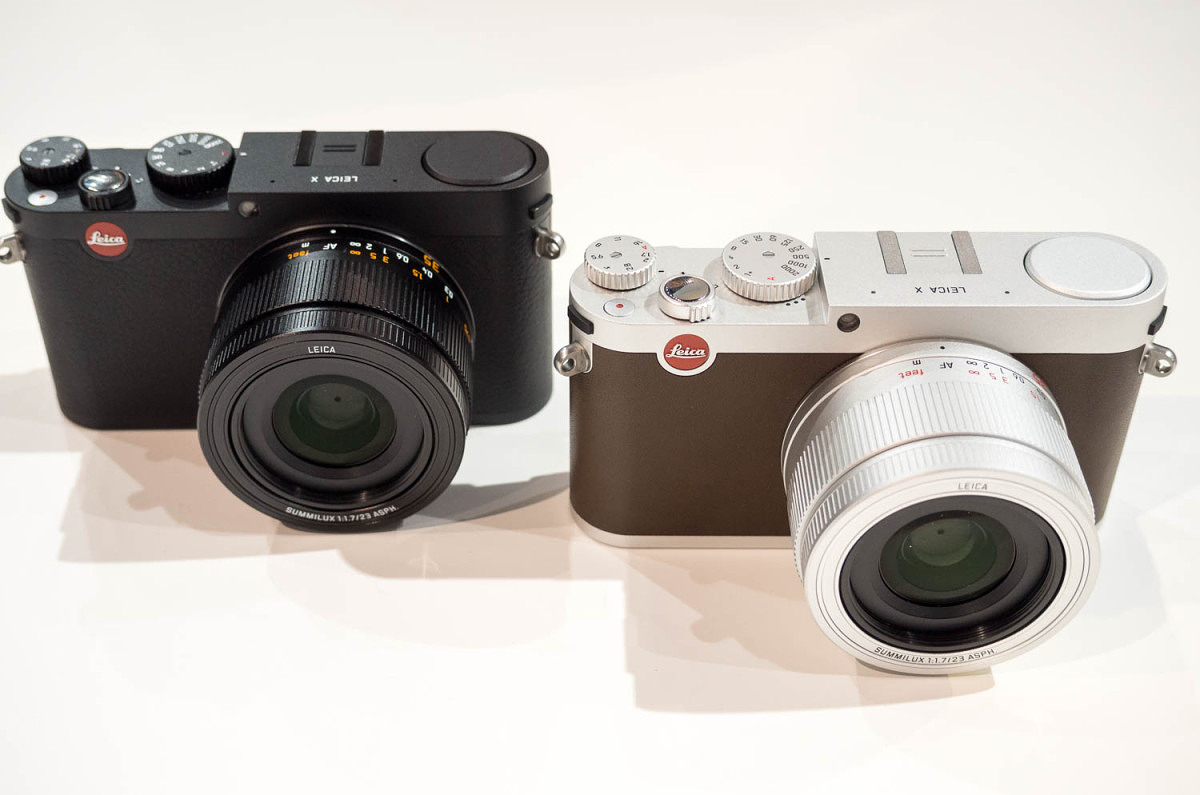
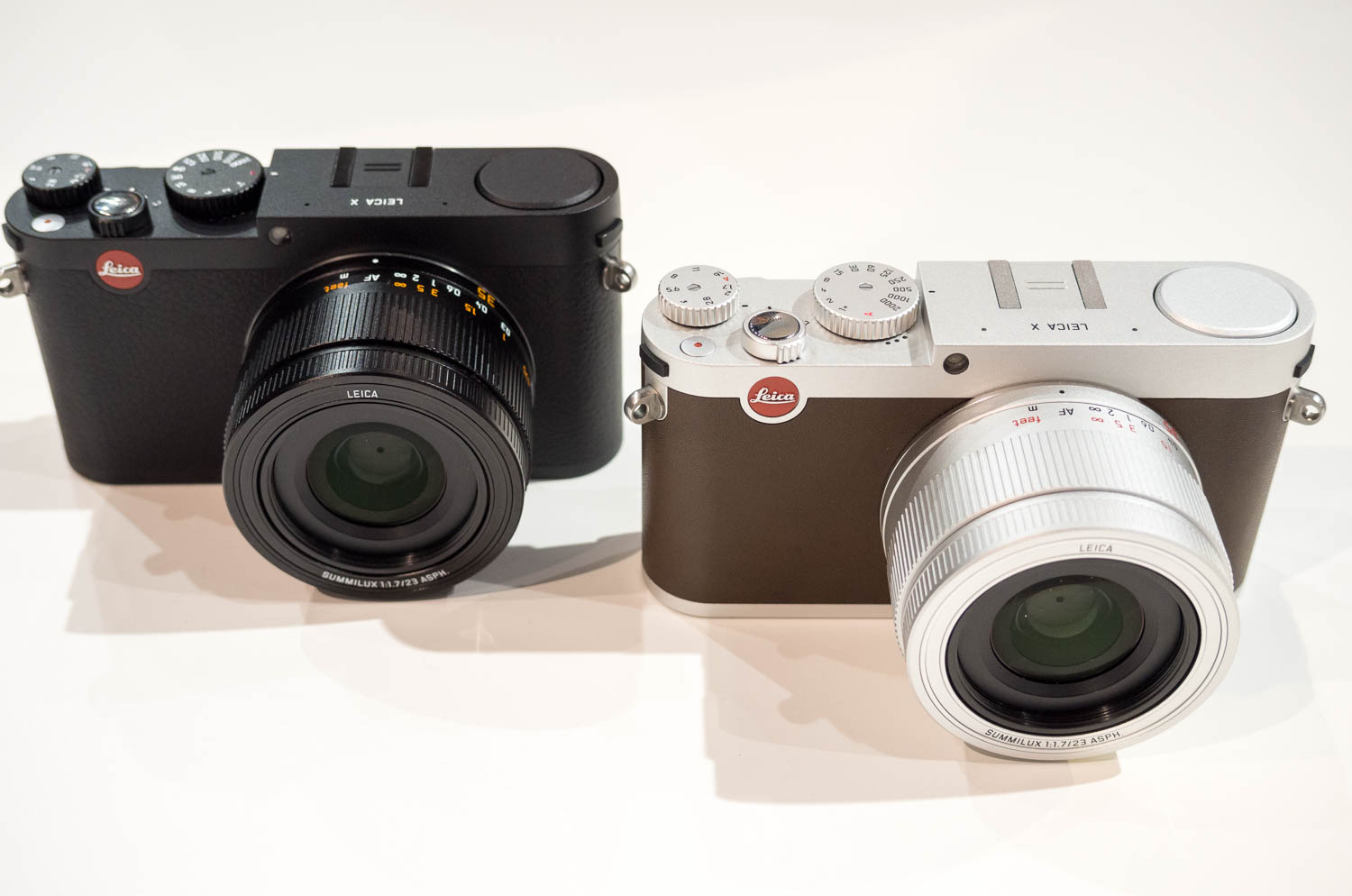
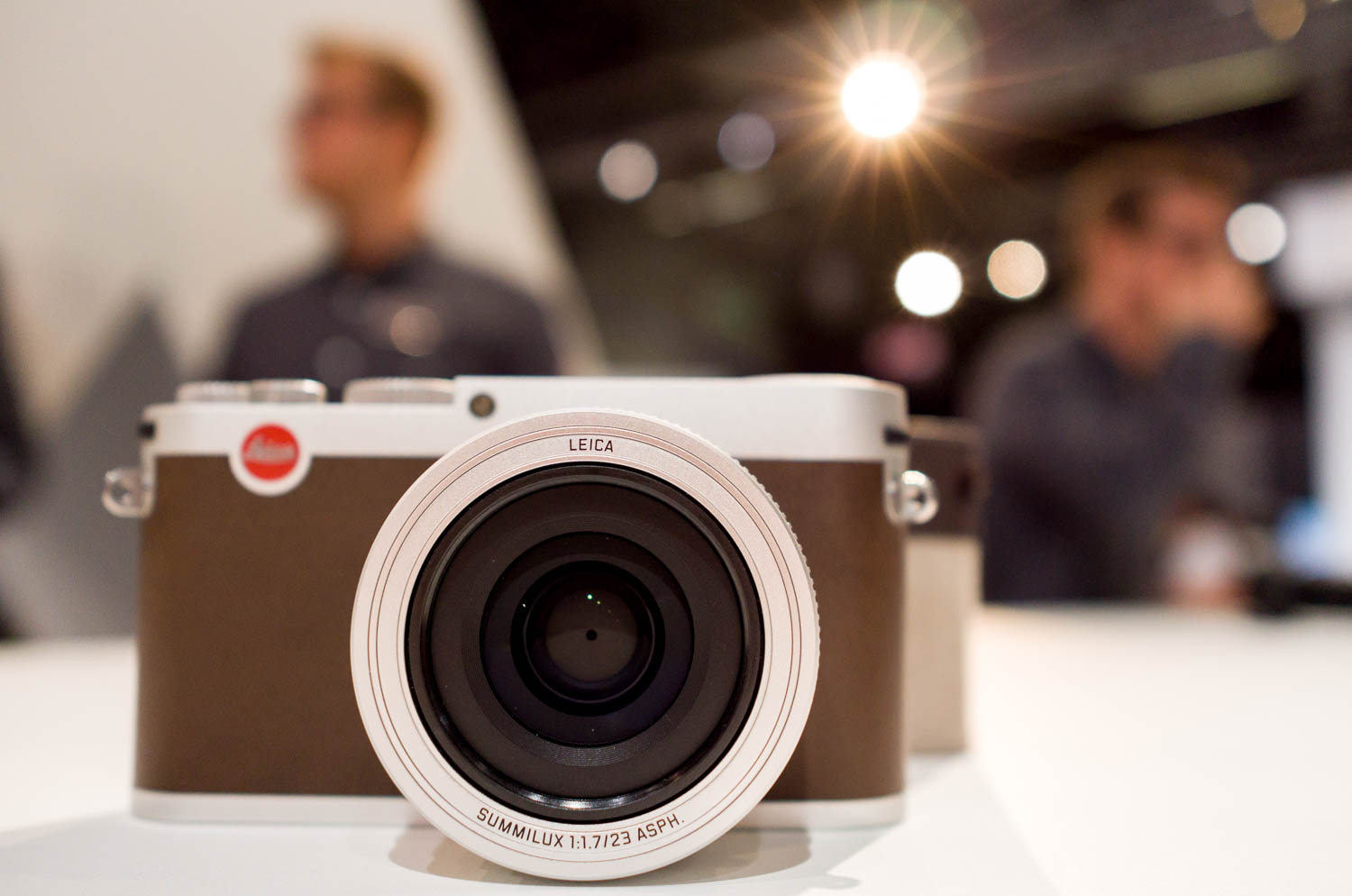
But now that Leica had given its users a really good X camera with a zoom, they wanted a fast prime lens, faster than the 36mm f/2.8 on the X2. And, now they have it. The X (Typ 113) is the culmination of the improved features and body of an X Vario, along with a newly designed 23mm (35mm equiv.) f/1.7 Summilux ASPH. I’m told the lens is a real stunner, and I can’t wait to try one out when I get back to Miami. I’m not sure it will replace my X Vario, but I’m open to the possibility. And lest I forget to mention that this new lens focuses down to a mere 20cm. Oh, the possibilities…
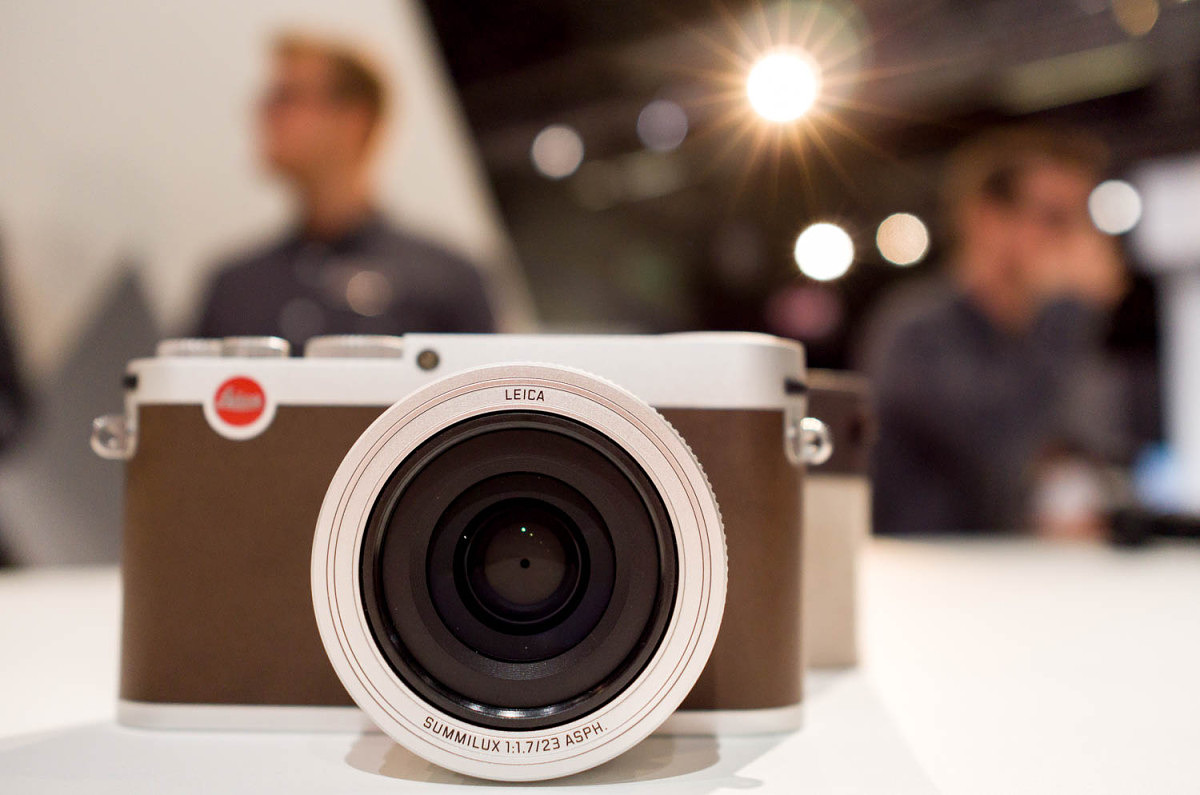
Taken with the new X (Typ 113) at minimum distance
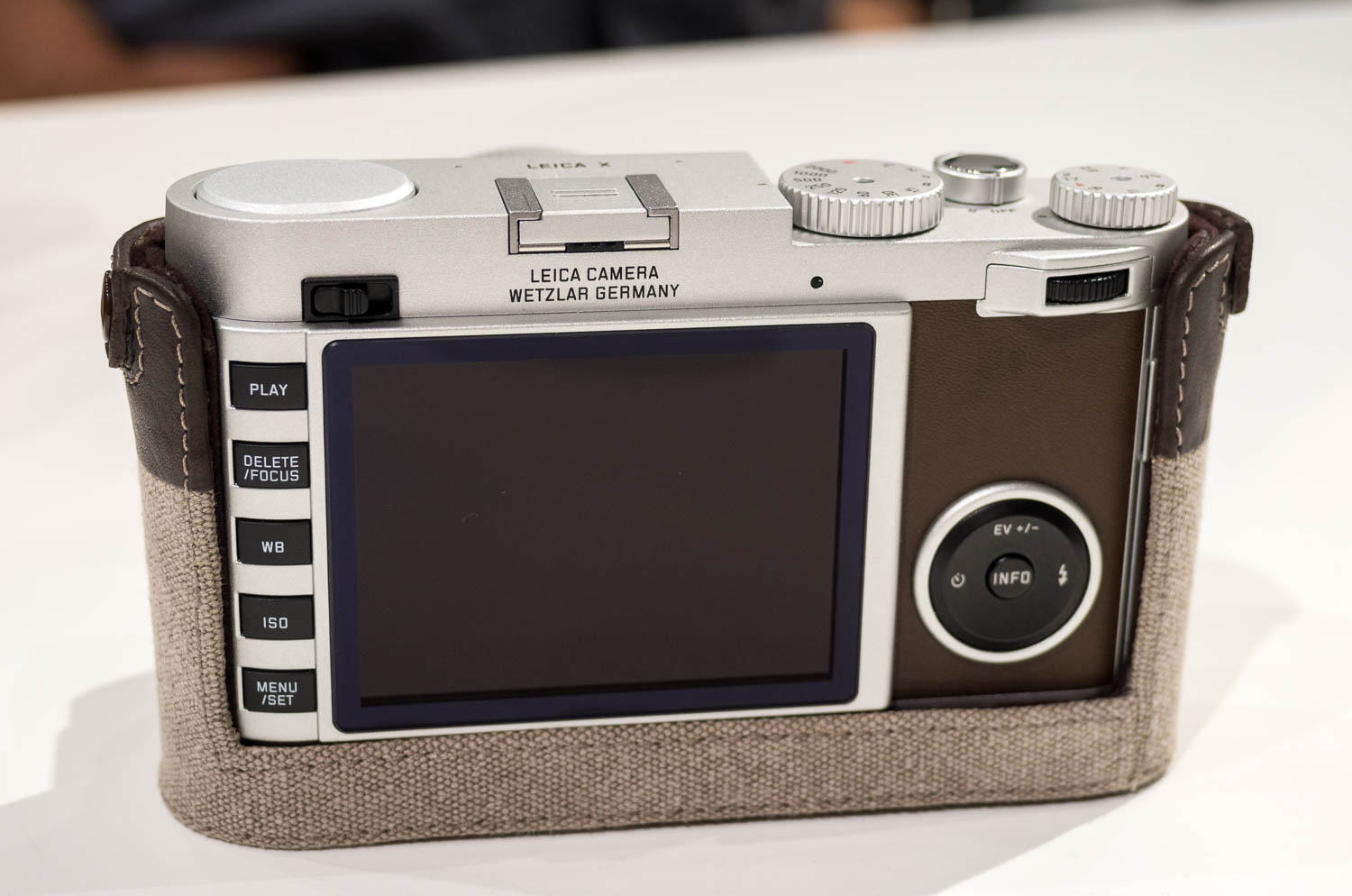
Besides the fast lens, there is one major update to the X 113 from the X Vario. The camera can use the Visoflex (Typ 020), the same 2.4MP EVF that is used on the T (Typ 701). This means that in addition to the nice move from 1.4MP to 2.4MP, the new X will also be able to embed GPS data into the photos when using the Visoflex. The camera also features some nice software updates like improved Auto ISO settings, better navigation through the on-screen GUI and enhanced audio controls for video. Except for the improved audio controls, I requested all of the changes in my initial X Vario review. Thankfully, in concert with the X 113 release, updated firmware is available to all X Vario owners to take advantage of the same feature improvements.
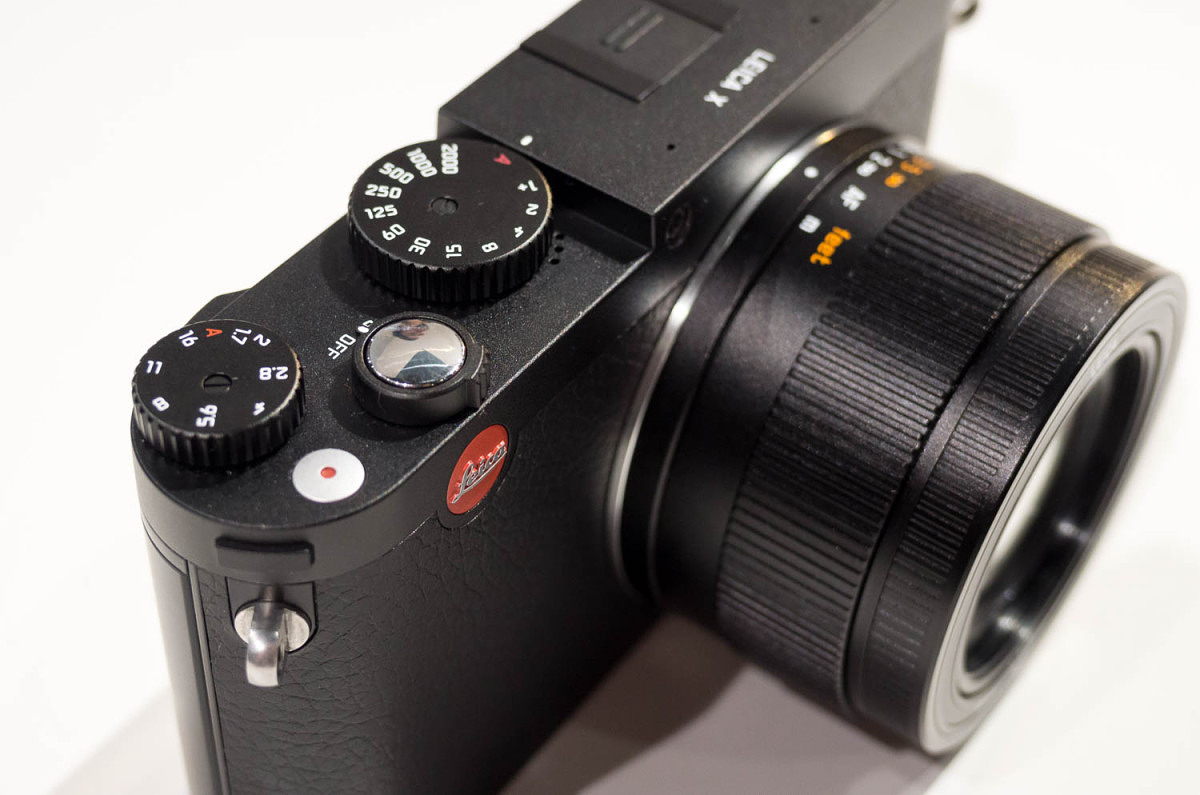
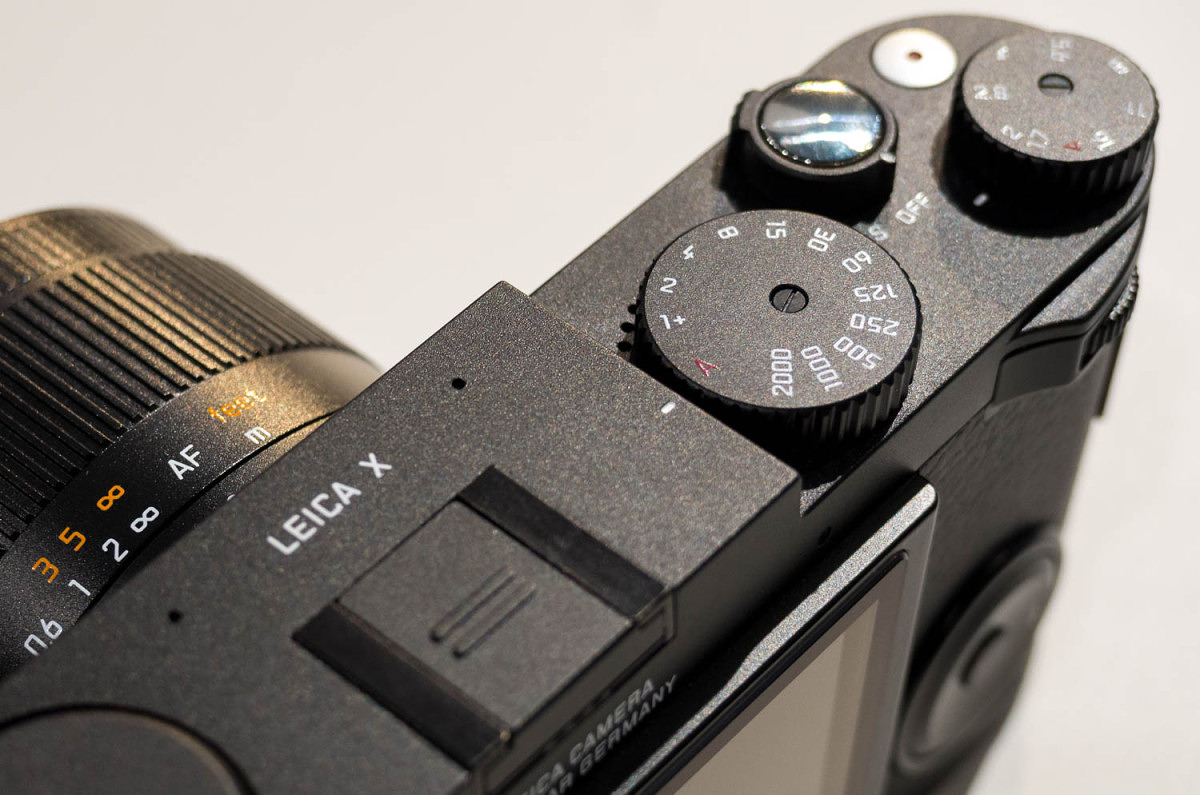
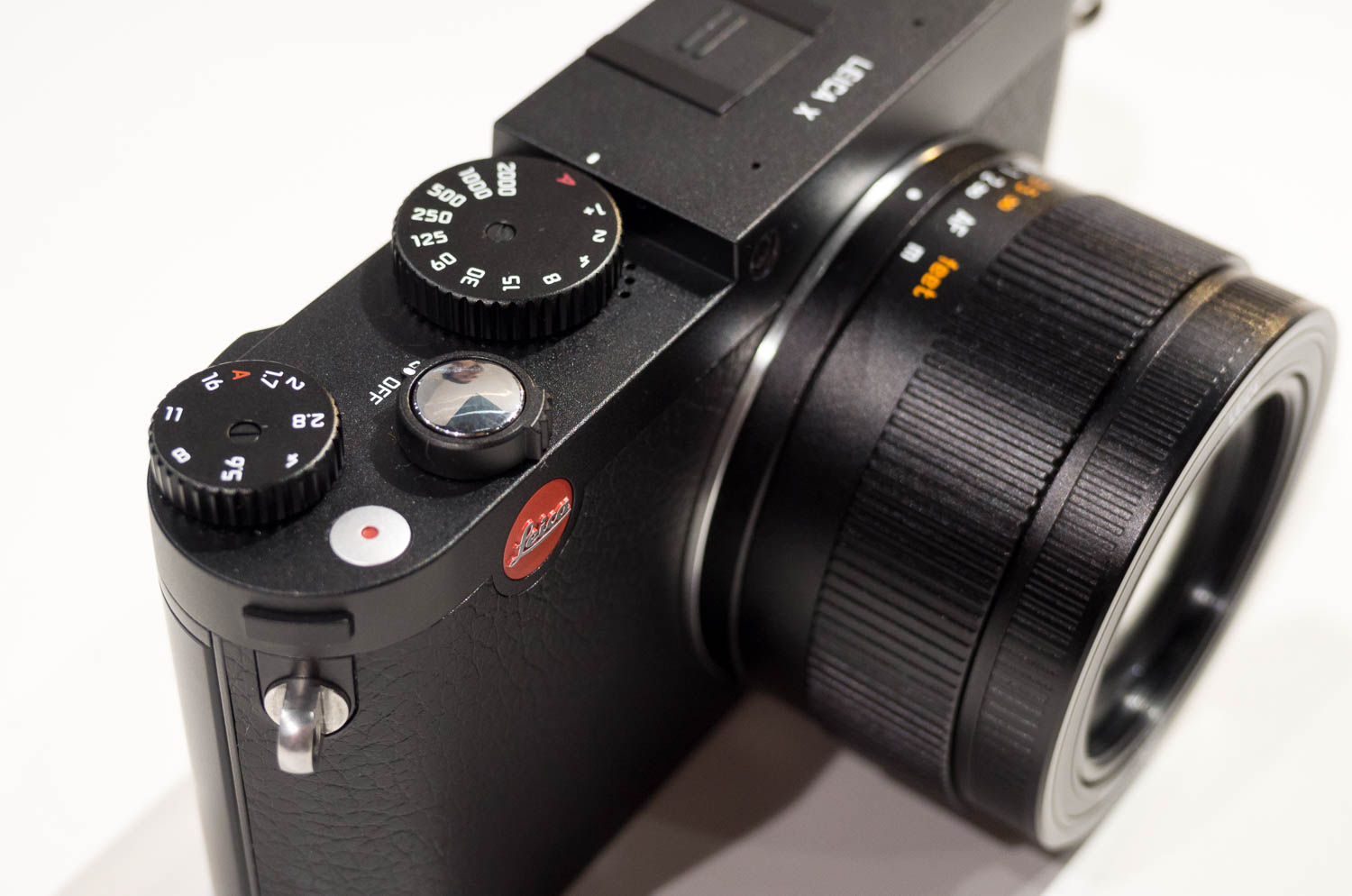
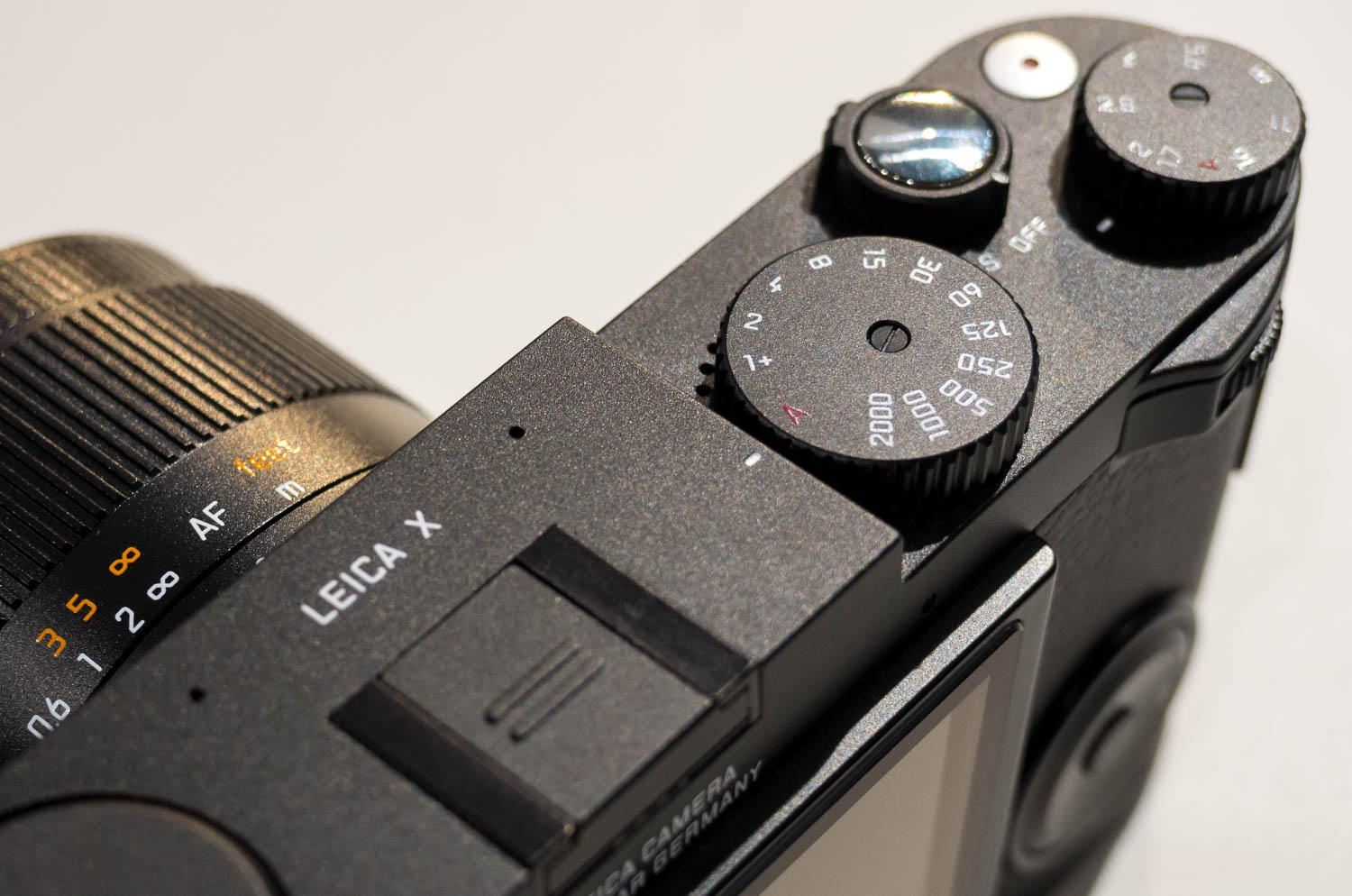
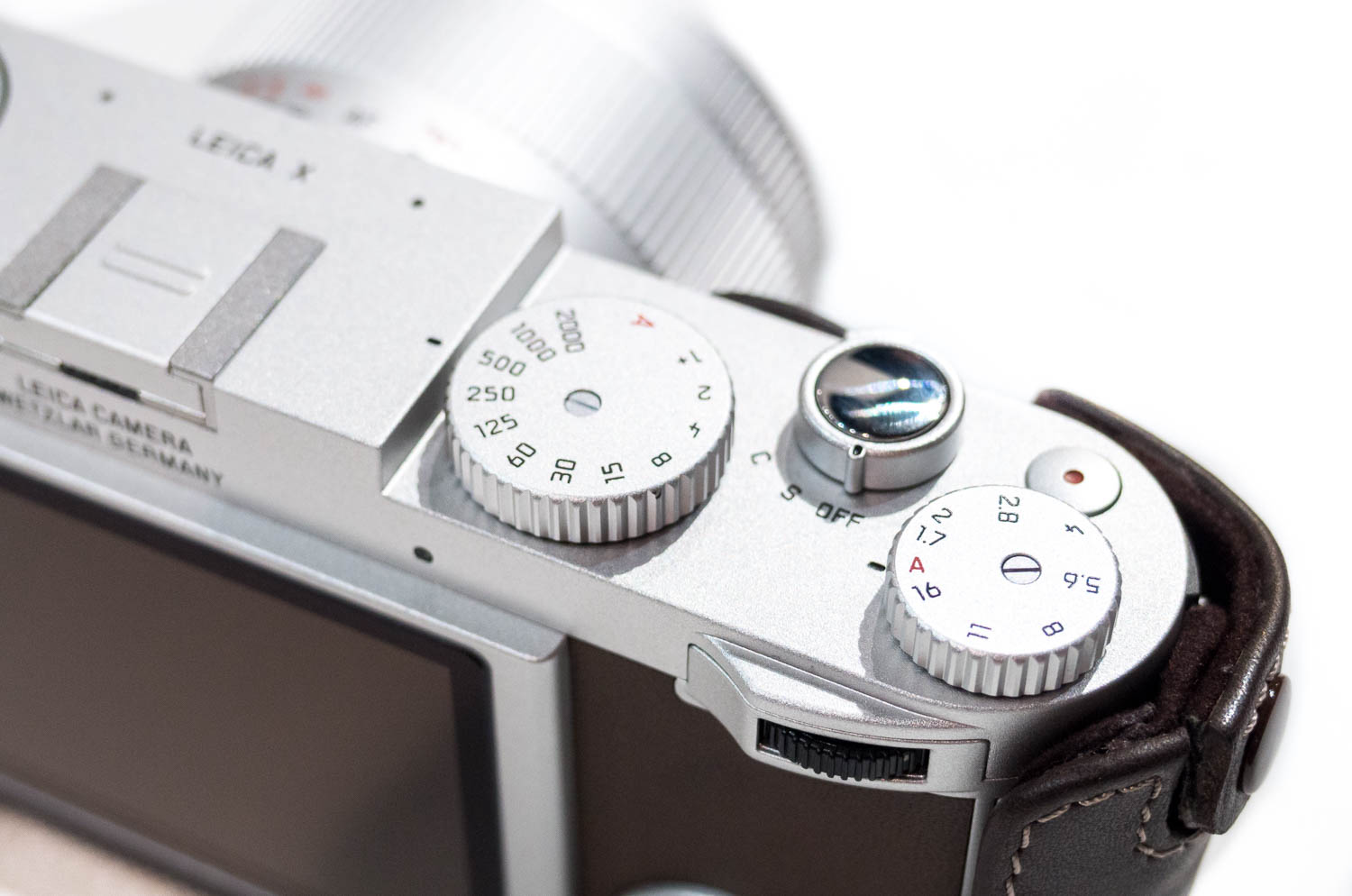
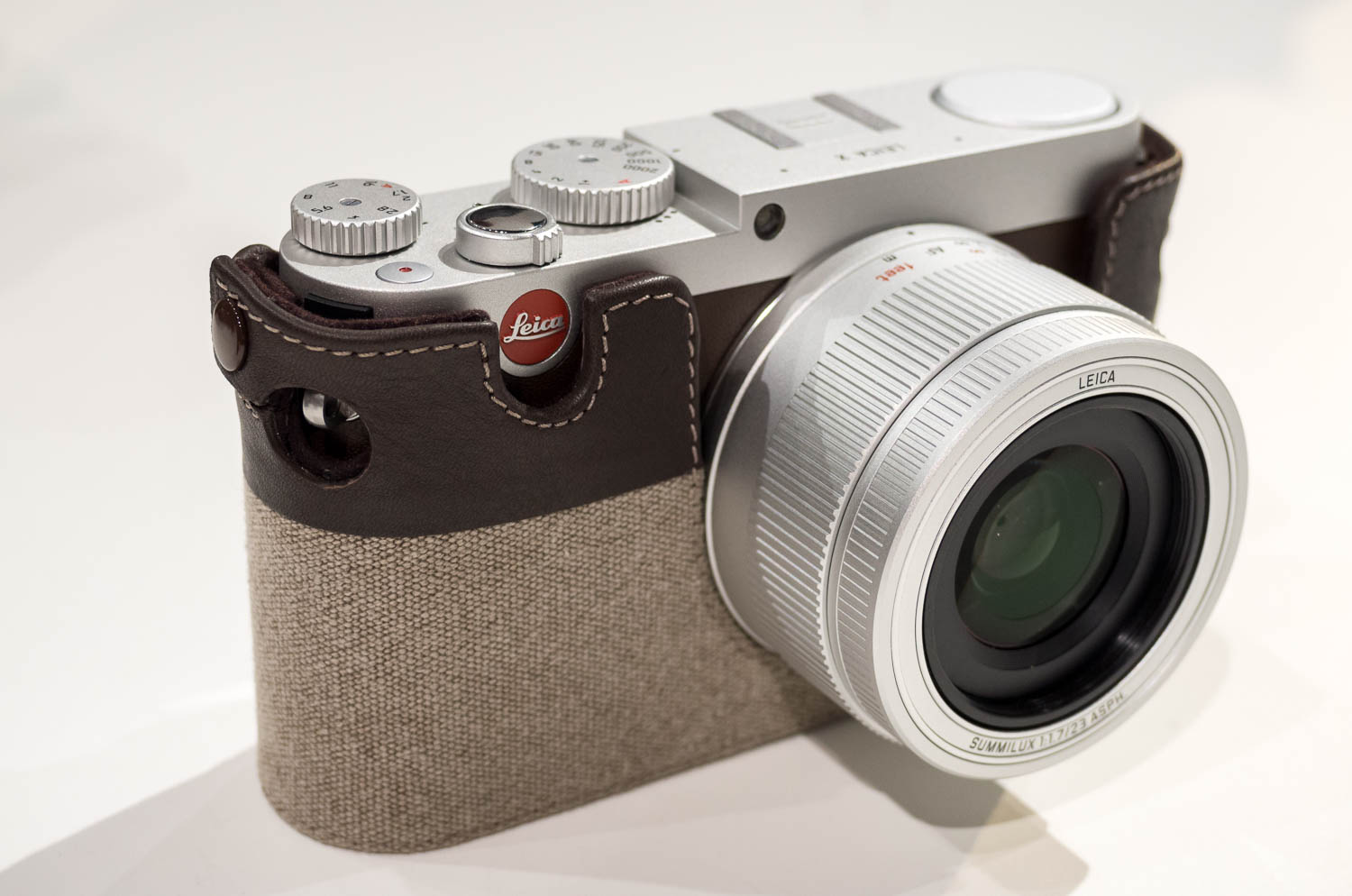
Another nice update is that, in addition to the standard black on black color motif, the X 113 now comes in a super-classy silver chrome with brown leatherette finish. It looks awesome. Leica should really be congratulated for going outside the normal range of options and creating such a stunning camera design. Like the X Vario there are manual dials on top of the camera for aperture and shutter speed and a smooth-turning, wide-ridged ring on the lens for focus with a proper focus scale. All these controls feature an A setting whereby that function can be automatically set by the camera. I love being able to shoot in full auto then easily use the lens in MF mode without ever looking at a single menu.

The X 113 camera will run just $2,295, which is a great value considering you’re getting a Leica Summilux lens and solidly-made Leica camera. As I tell people regarding the Vario, just think about it this way, you’re paying for an awesome Leica lens at a fraction of what a similar M lens might cost….and you’re getting a great camera essentially for free.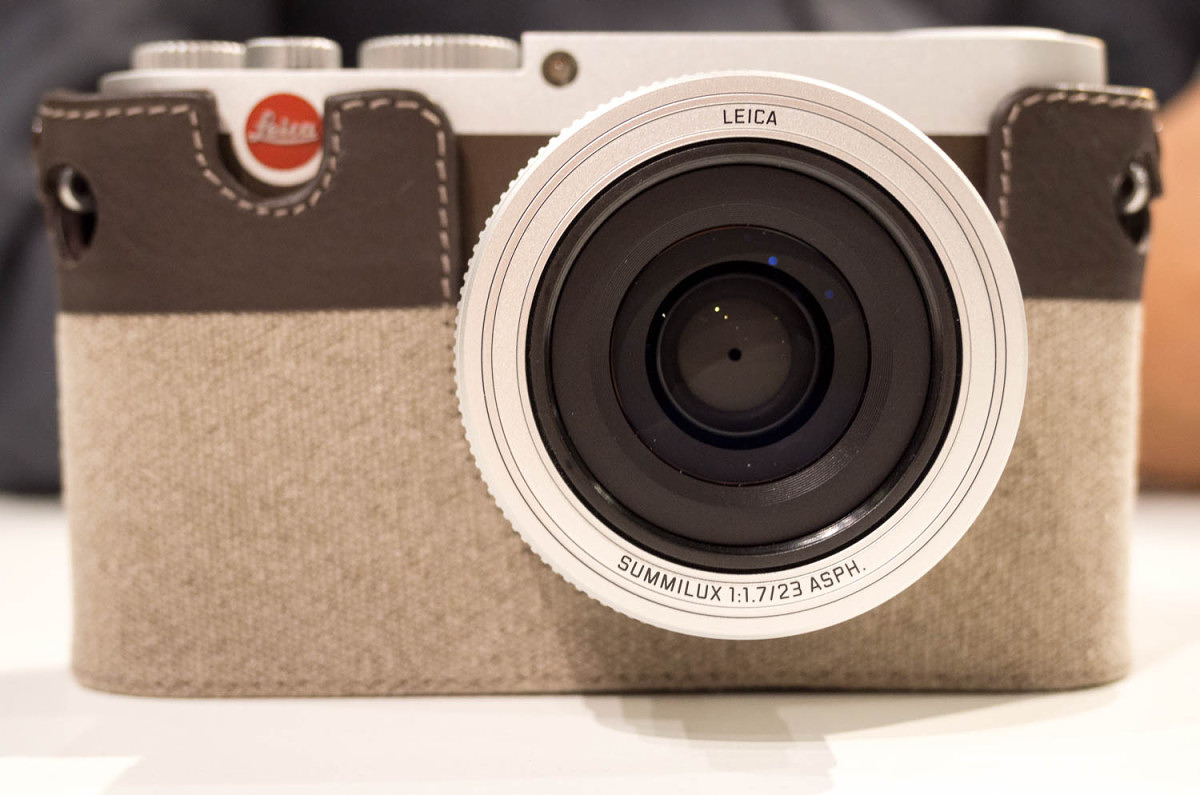
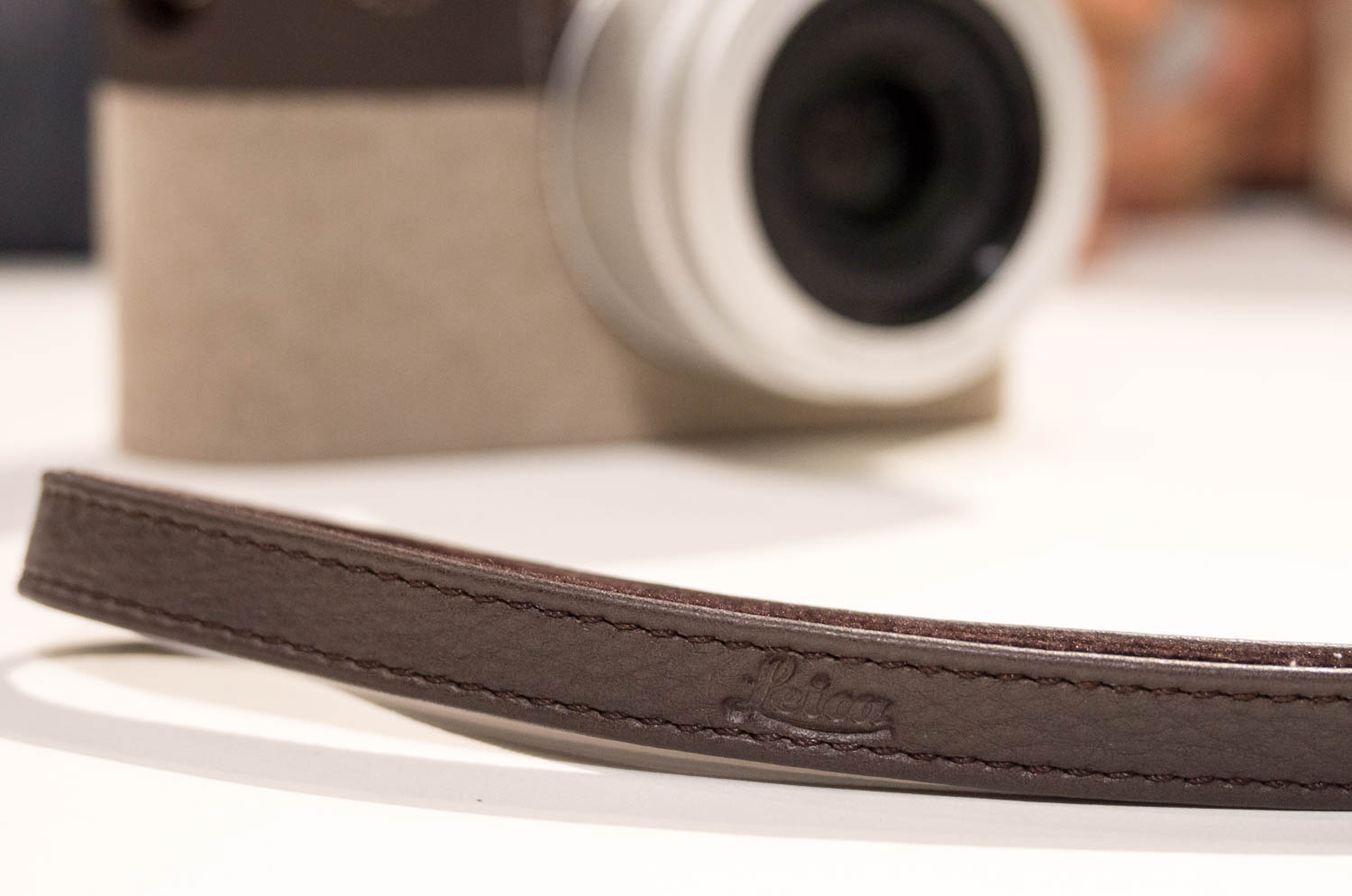
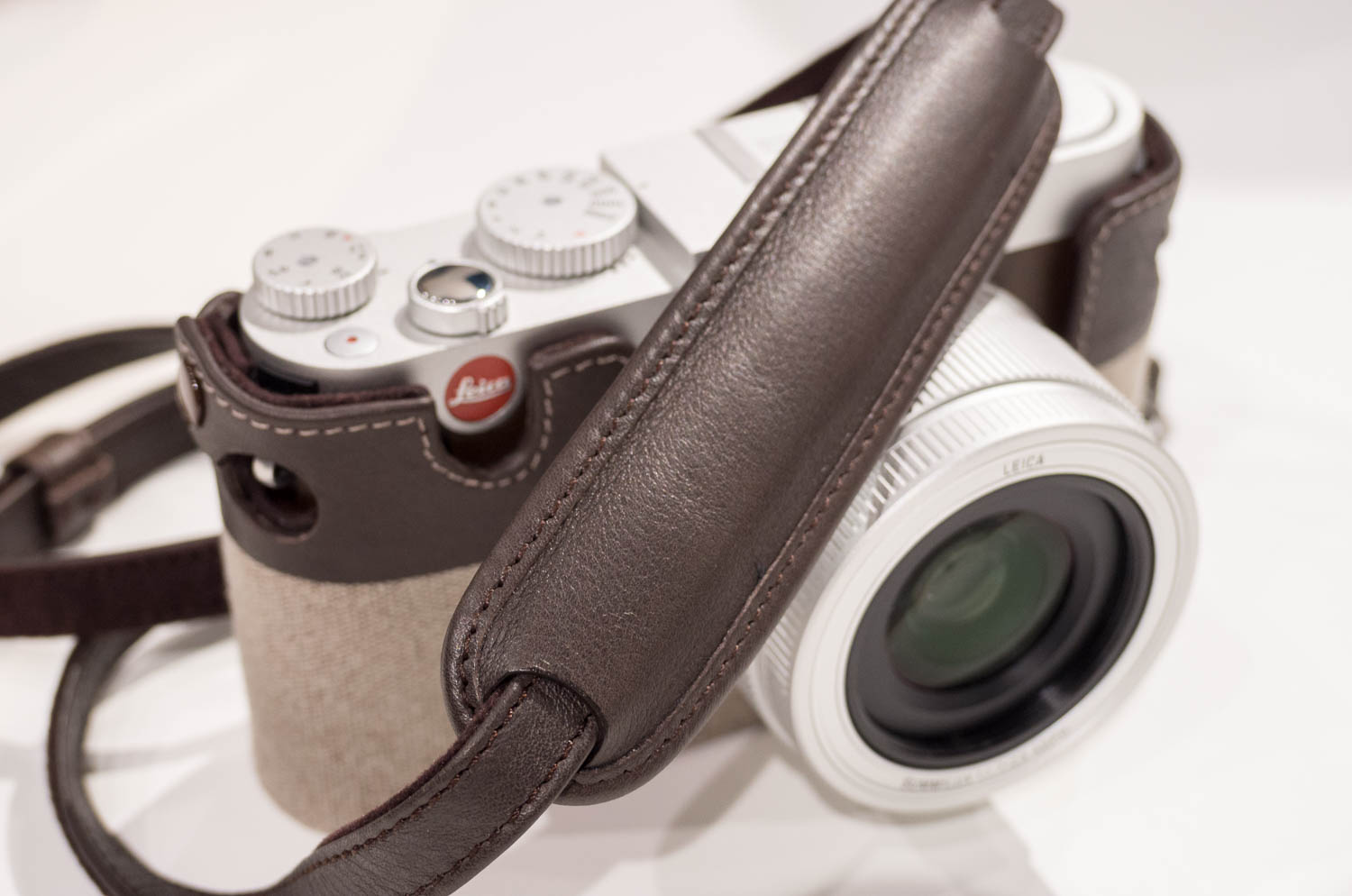
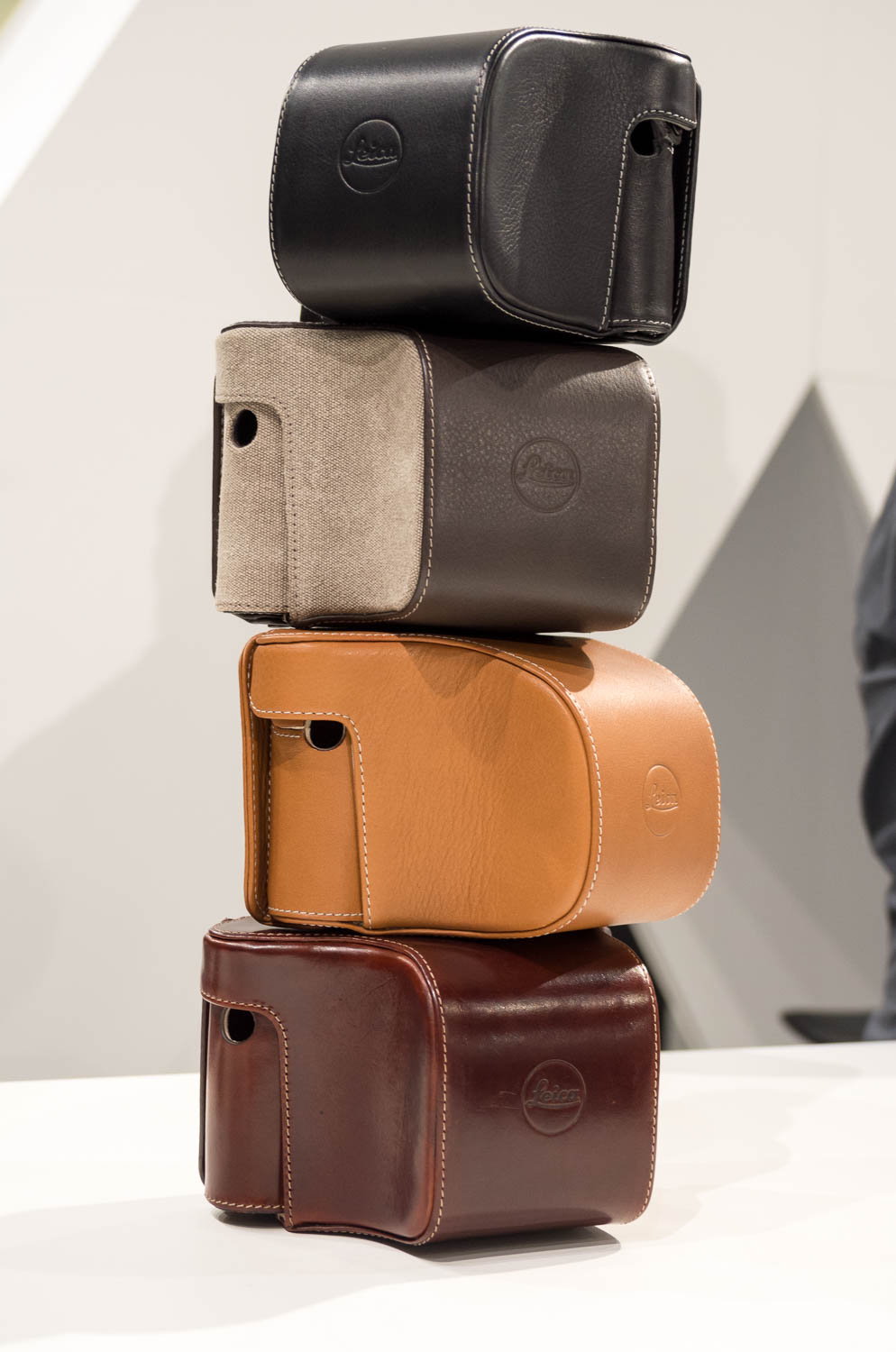
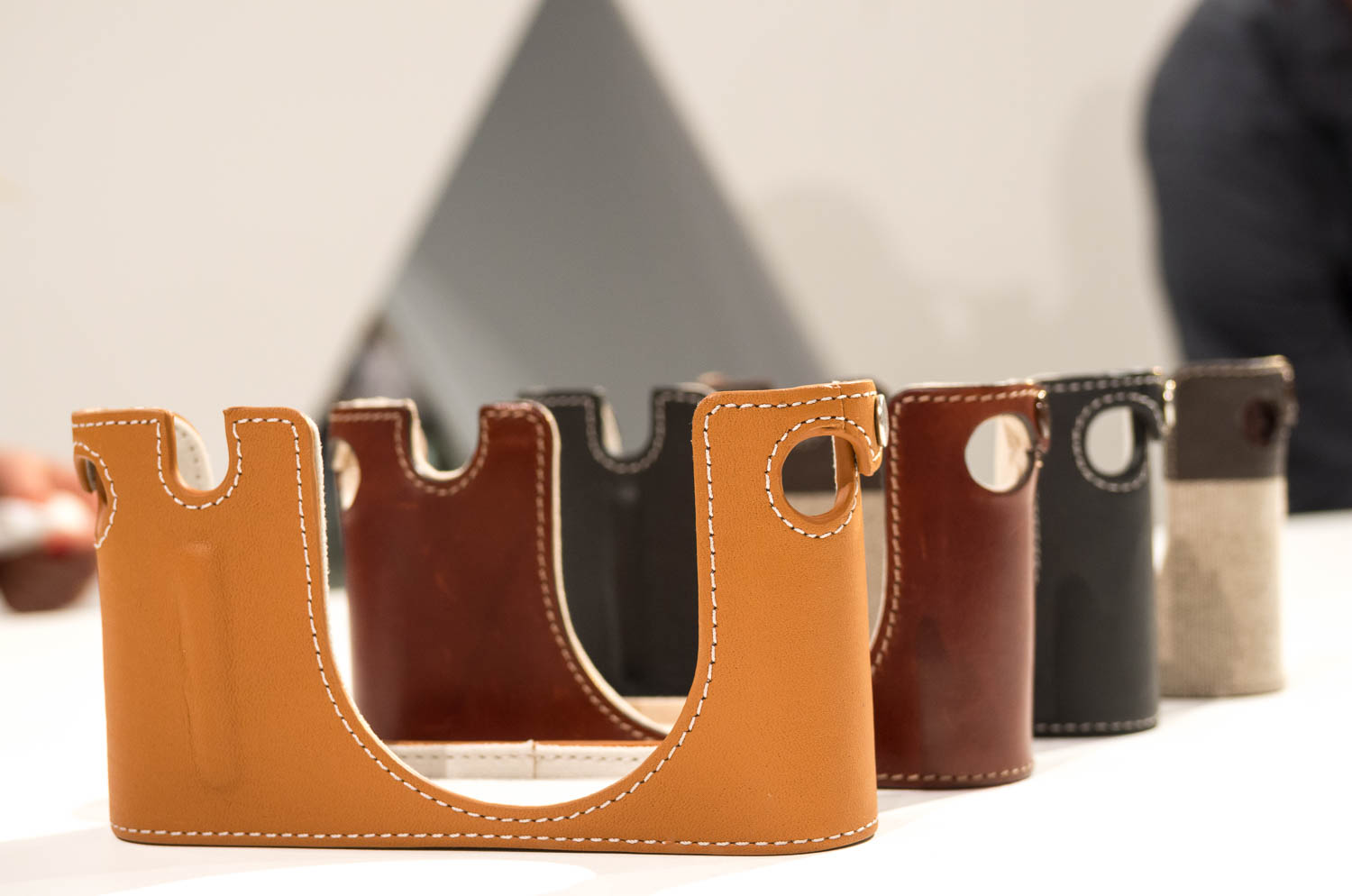
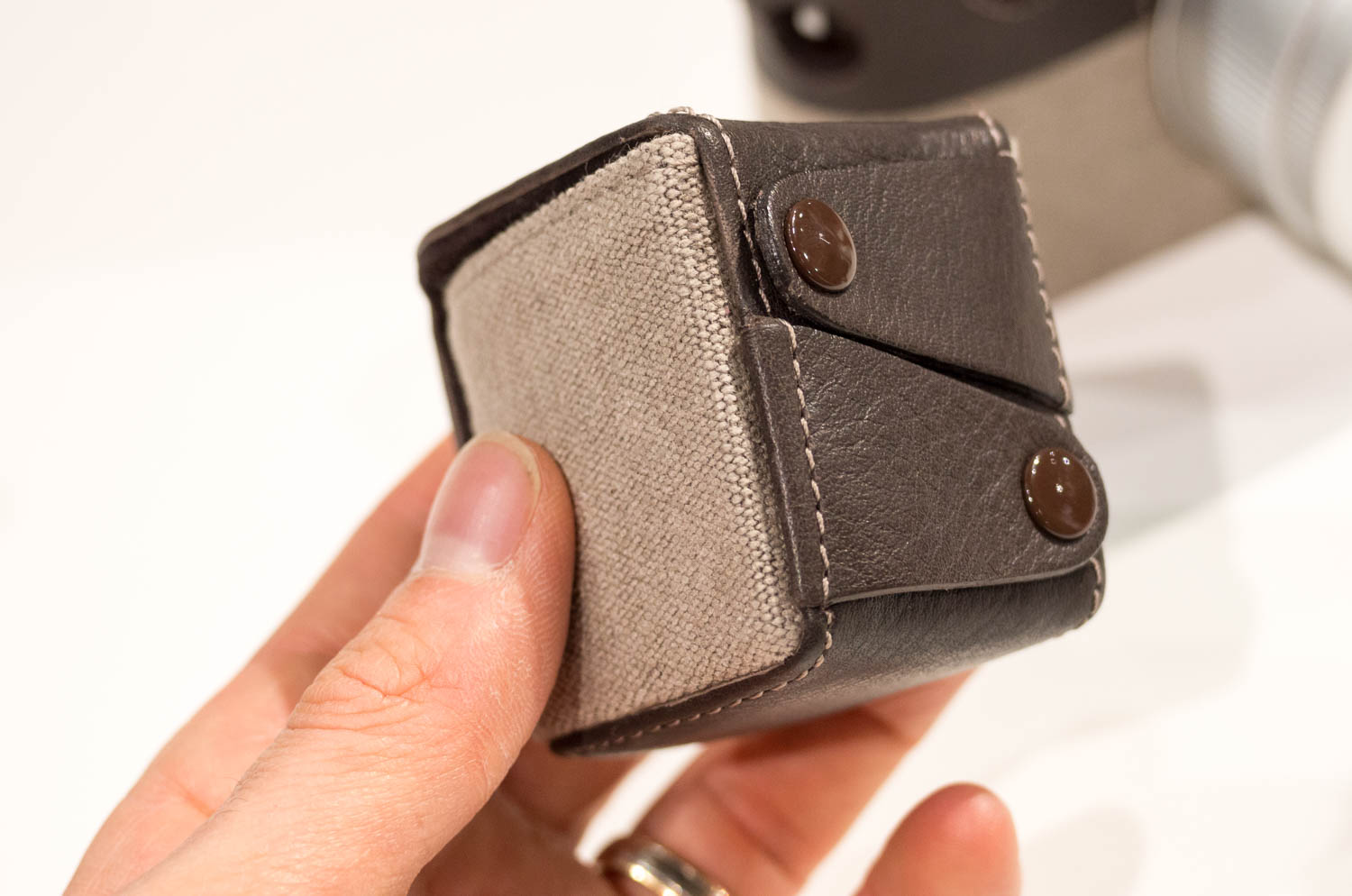
Along with the camera, there are some really sweet cases, both full every ready and half case protectors. For the silver/brown camera I’d suggest the two-tone canvas and leather one that looks like it came off the set of Mad Men. So vintage. So cool. There’s also a matching brown leather strap and two tone Visoflex pouch to keep the look going.
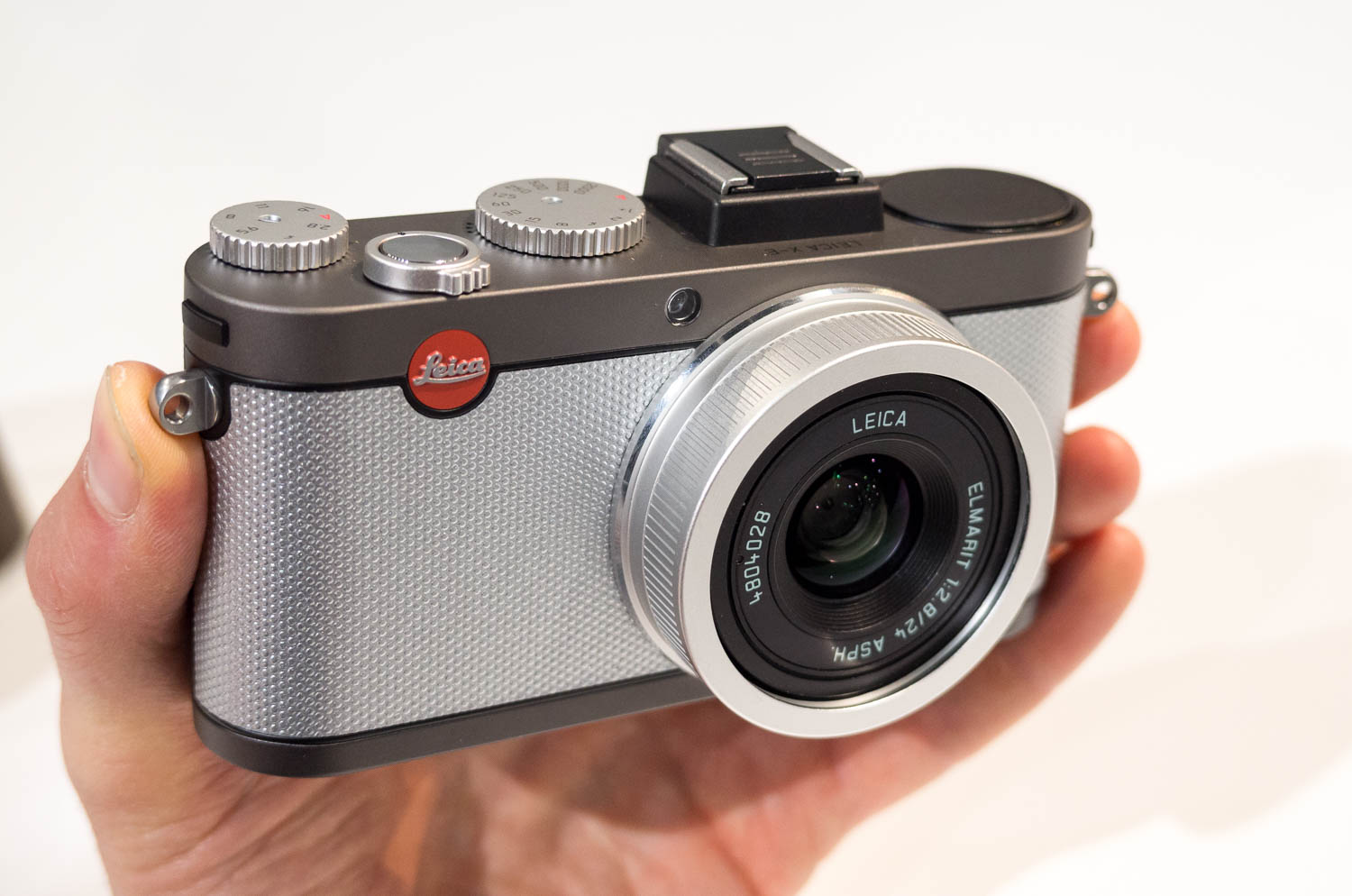
And while the X2 is officially going away, fans of the camera needn’t get too emotional. The X2 will start life over as the very fashionable X-E (Typ 102). Styled in titanium with contrasting silver chrome dials and a textured silver cladding, the X-E looks both sci-fi modern and runway chic at the same time. The price has been dropped to just $1,795, which is downright affordable for an APS-C Leica camera with a lens. The T camera body, which features the same basic sensor, is $1,850 without a lens.
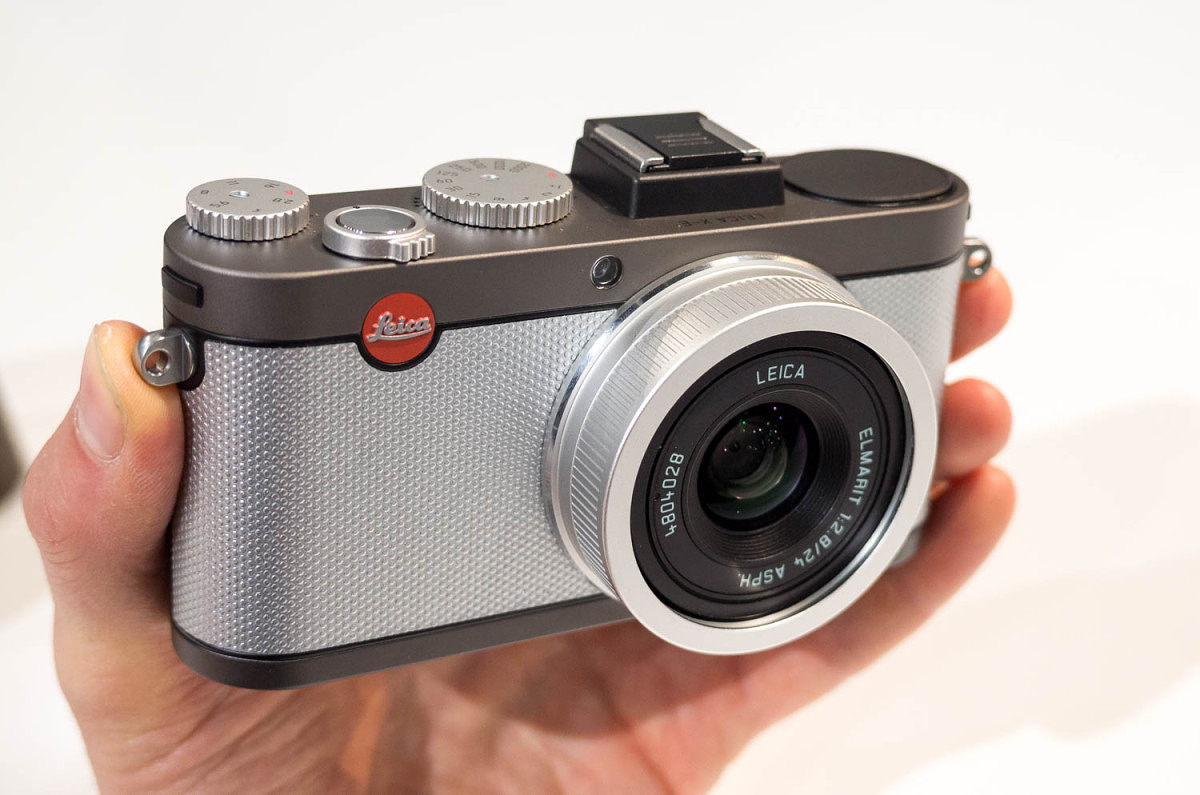
After I had a chance to play around with the new models and some of the cases, I sat down with X and T product manager Maike Harberts. You might recall our conversation not that long ago regarding the design process of the Leica T system.Let's start off easy. Please tell me about the X-E.
The X-E is basically the X2, but we used the a la carte titanium finish, contrasting silver dials and a new silver textured leatherette. I think it's a bit more space-shippy. And of course, we offer it at an attractive price point.
The X2 was very successful, so now we can offer new customers a more attractive price with a very different style.
Who do you think is the target market for the X-E?
It's not a Paul Smith or a special edition in any way, but it is for a customer who wants good quality but is not shy about showing off personal style. Anyone can have a black camera and be a “serious photographer”, but with this camera you can wear the camera and say, “hey I'm carrying a Leica.”
It can also be for the customer where the X (Typ 113) is just too big, they can look at the smaller and lighter X-E (Typ 102).
So, moving on, let's' talk about the new X.
We offer it in two color choices: black/black and silver/brown.
Why brown?
Of course, we could have put on black leatherette, but it's such a beautiful look with the brown. Brown is not too flashy and goes so nicely with the silver chrome. This is a beauty and appeals to men and women both.
What's the biggest feature of the X?
We embraced what people were looking for, a fast lens on an X camera. And ultimately, we decided to stick to the classic focal length of 35mm.
We also embraced the manual focusing. That was also a demand. With the bigger lens, we now had space to offer manual focus with a wide focus ring on the lens.
Why not a 50mm?
We reached out to quite a few customers and realized that 35 is perfect. 50 limits in terms of wide angle. So, we stayed with 35mm. And with the close-focusing abilities, you can just get closer when you need to and still get great Bokeh.
How similar is the new X to its predecessors, the X2 and the X Vario?
From a technical point of view the X Vario and the new X are almost identical. There are of course some minor changes. We had to make some small changes to accommodate for instance the new Visoflex (Typ 020).
The other thing you'll notice is that there is a consistency. A purpose. So when you pick up any X camera you immediately know how to use it. It's extremely easy to understand, whether it is the new X 113, the Vario or an X-E.
What was behind the decision to use the same 16.2 MP CMOS sensor in the new X?
We have such good experience with this sensor. It's a great sensor. It gives us the right resolution and we are very familiar working with it. I would need to see something with much better performance, then we could look at switching for future products. But for now, we really love this sensor.
Does the new X have an AA filter?
Yes, we use an AA filter on the X cameras, but no AA filter on the T. The T is a system camera, so there is a difference there. But, the AA filter is quite weak on the X line.
I noticed a strange phenomenon when shooting with the X. Why does the lens not shoot at f/1.7 close up? At close distance it only allows shooting at f/2.8.
One goal at Leica is that we have a consistent high-quality for all focal lengths and over all focus distances. So with the new 23 Summilux, a lens tends to go down in image quality in the close focus range. We could have made the lens much larger and heavier to maintain the performance without varying the aperture. The second option is that we could have limited the close focus distance to 50 or 60cm. Or, the final option is that we allow much closer focusing distance to offer greater options for photography but stop the lens down a bit in order to maintain the highest image performance. Of course, with such a close focus distance, you can still achieve very shallow DOF. So, I think it's not a bad compromise. We didn't want to limit the close focus distance, but I agree with the optics designers that we, as Leica, need to maintain the best image. This is always our first priority.
Thanks a lot Maike. Congratulations on the new products.
You're welcome, David. We hope the customers enjoy the cameras as much as we do.
Keep following my updates from Photokina 2014. There's still more to come! And feel free to post any questions you have for me here or in the forum.
-
-
Peter Dooling and
Josh Lehrer are now friends 11 years, 3 months ago -
David Farkas replied to the topic New S (007) in the forum Leica S 11 years, 3 months ago
I just posted an extremely in-depth write-up on the S (Typ 007). Give it a look:
Photokina 2014: Day 2 – Everything you need to know about the Leica S (Typ 007)
-
Peter Dooling and
 Carlos V. Causo are now friends 11 years, 3 months ago
 -
David Farkas wrote a new post, Photokina 2014: Video interview with Stefan Daniel, Leica Director of Product Management 11 years, 3 months ago
Stefan Daniel, Leica's Director of Product Management walked me through most of the major products introduced at Photokina. Of course, with so many new cameras and lenses, we couldn't go into too much detail on […]
-
David Farkas replied to the topic How is everyone liking the new site design? in the forum Annoucements and Site Matters 11 years, 3 months ago
Doug, if you click on the time/date in the Last Post column, you will be taken directly to the latest reply.
As far as old attachments that were migrated over, yes, some the sizing got a little strange. But, moving forward all smaller res preview images will all be the same size.
-
David Farkas wrote a new post, Photokina 2014: Day 2 – Everything you need to know about the Leica S (Typ 007) 11 years, 3 months ago
With my focus on the M yesterday, I wanted to dedicate my second day at the show to the new Leica S (Typ 007). As the third generation in the S family (I’m not counting the old S1 as it’s a totally different animal), Leica stepped up their game pretty significantly with the S 007. The new S ticks a lot of boxes on users’ wish lists. I got a chance to sit down with Stephan Schulz, Director of Professional Photo Products, and Toni Felsner, Project Manager of the S System to go over all of the changes on the new S.
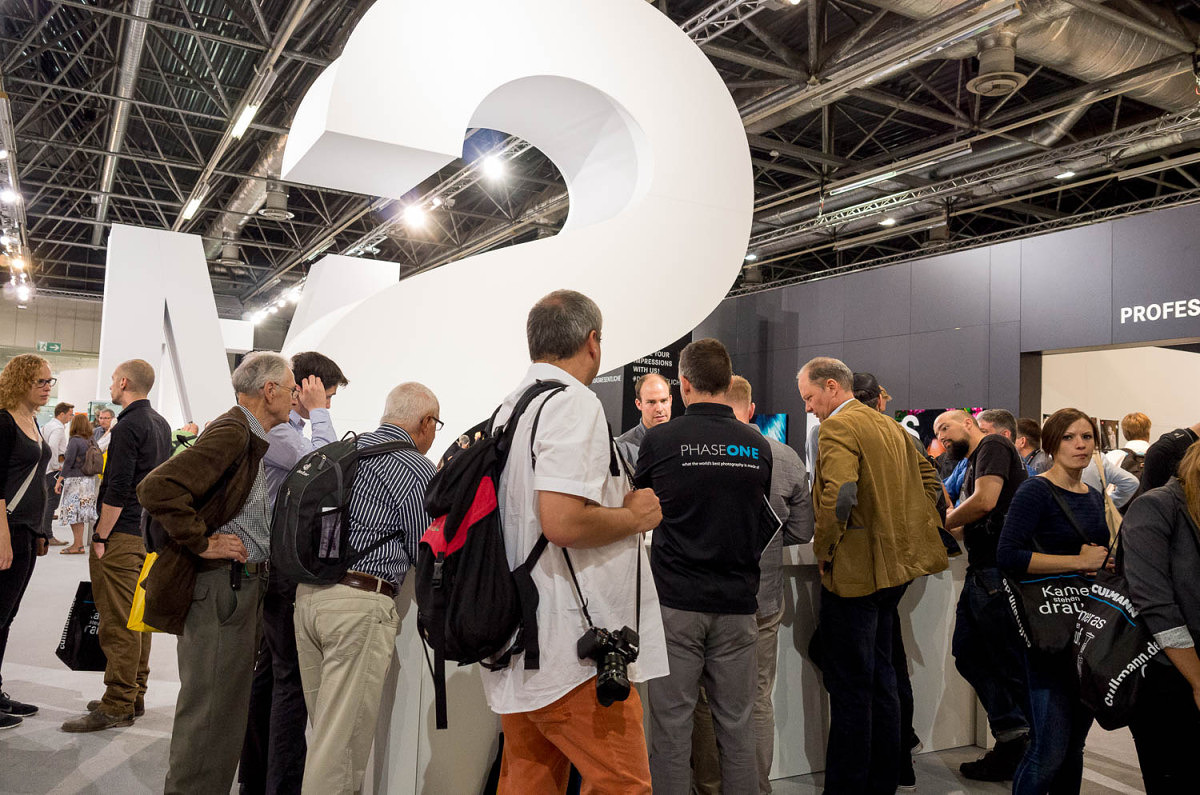
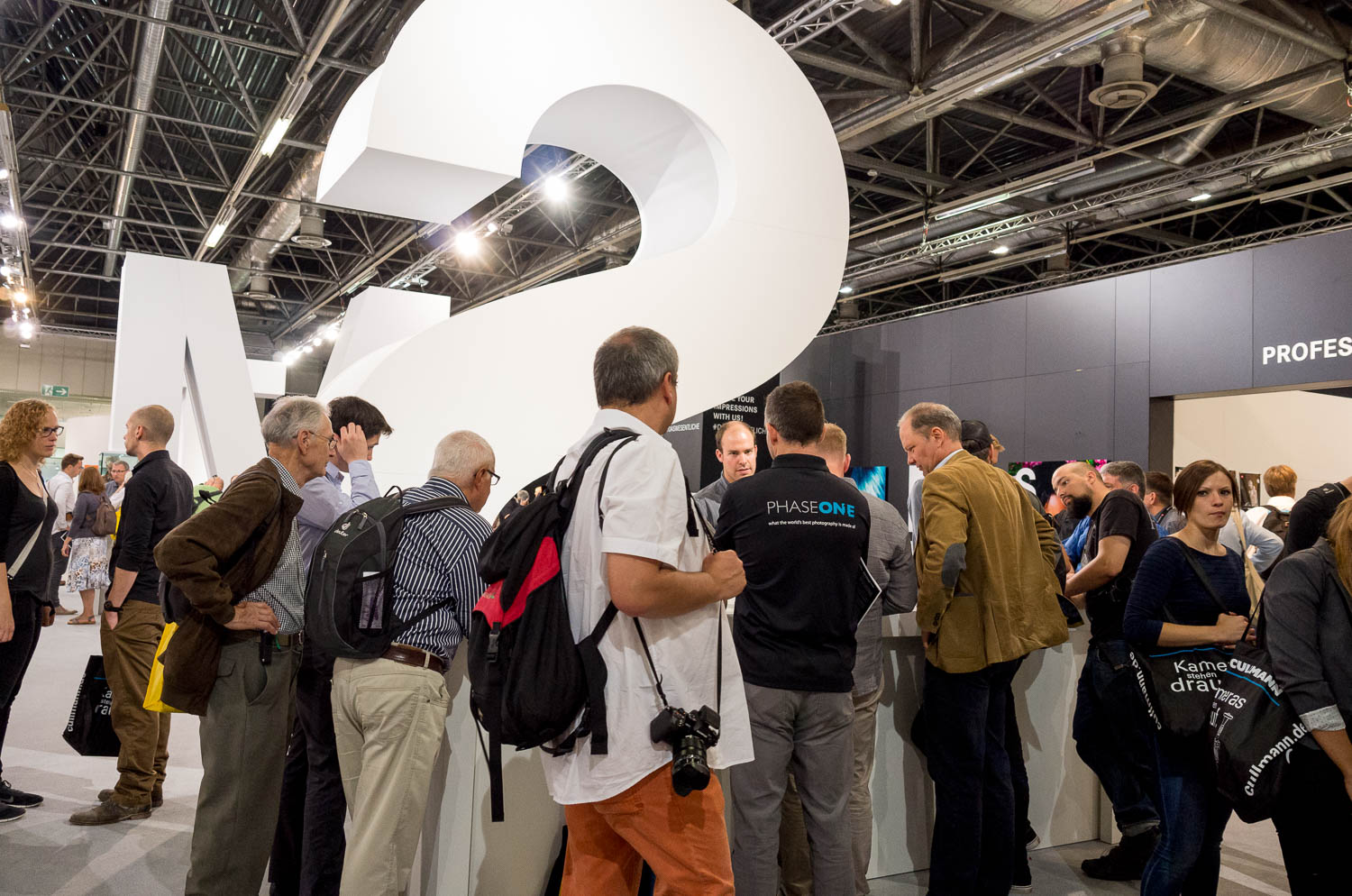
Lots of interest at the S stand, even from Phase One…
The S 007 isn’t the first…or second or even third…medium format digital camera to transition from a CCD to a CMOS sensor. Hasselblad, Phase One and Pentax all got there first earlier this year by using the 44x33mm 50MP Sony sensor. But, like one of my favorite sayings goes, “The early bird may get the worm, but the second mouse gets the cheese.” The Leica S is now the fastest MFD system in the world, boasting a frame rate of 3.5 FPS, which is blazingly fast thanks to the new Maestro II image processor under the hood and the rapid-fire, lightweight shutter making light work of exposing the new CMOSIS-produced CMOS sensor at the heart of the S.
The camera also is the first to shoot 4K video and use the full width of the sensor to produce 1080p video. It’s got 802.11n Wi-Fi, built-in GPS, UHS-I dual card support, HDMI out, much faster autofocus and focus tracking, USB 3.0, a new and quite large daylight-viewable transflective top display, 60fps live view with focus peaking, DOF calculations clearly indicated, a whole host of video features and incredibly fast image processing.
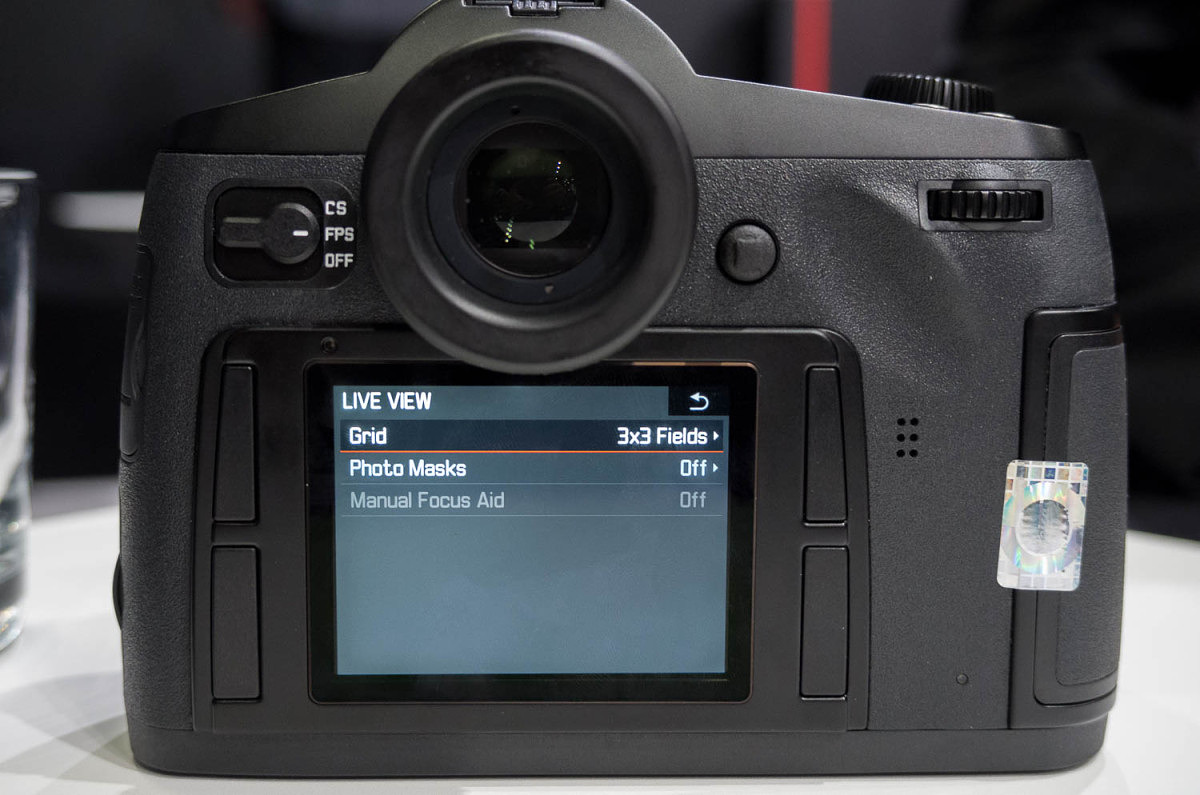
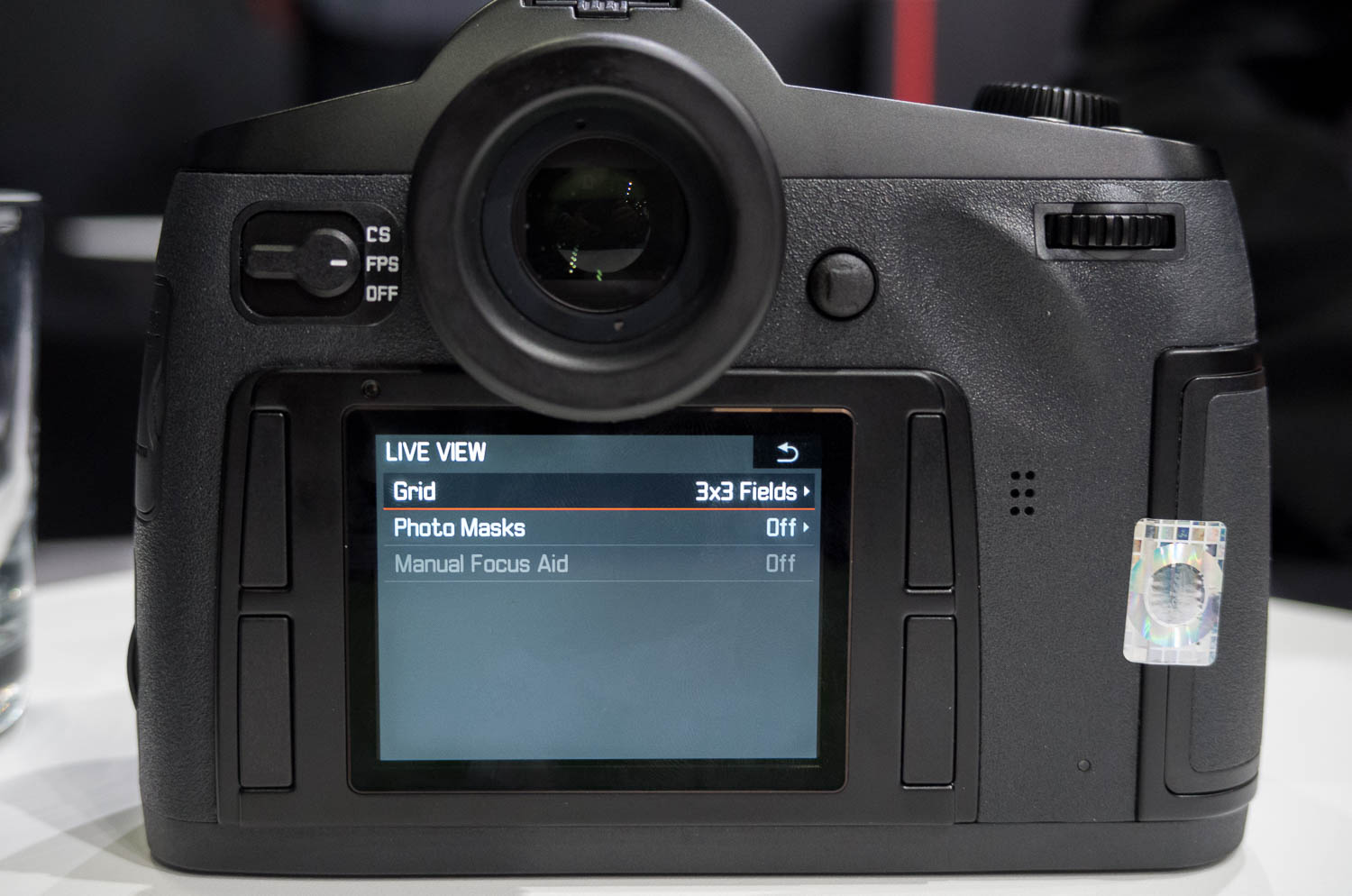
Live view controls
Handling the camera is not too different than the S (Typ 006) that I have used extensively. The size and shape are familiar, which is to say, still one of the most comfortable and ergonomic camera bodies I’ve ever used. The camera is built like a rubber-encased tank and has seen upgrades in the durability category in addition to all the under-the-hood changes. The entire lens mount, and not just the mounting ring, is now solid stainless steel. So are the strap lugs. The mount now has a polished sheen of indestructability. The new faster, quieter shutter is now rated at 150,000 actuations, up from the already respectable 100,000 on the S (Typ 006).
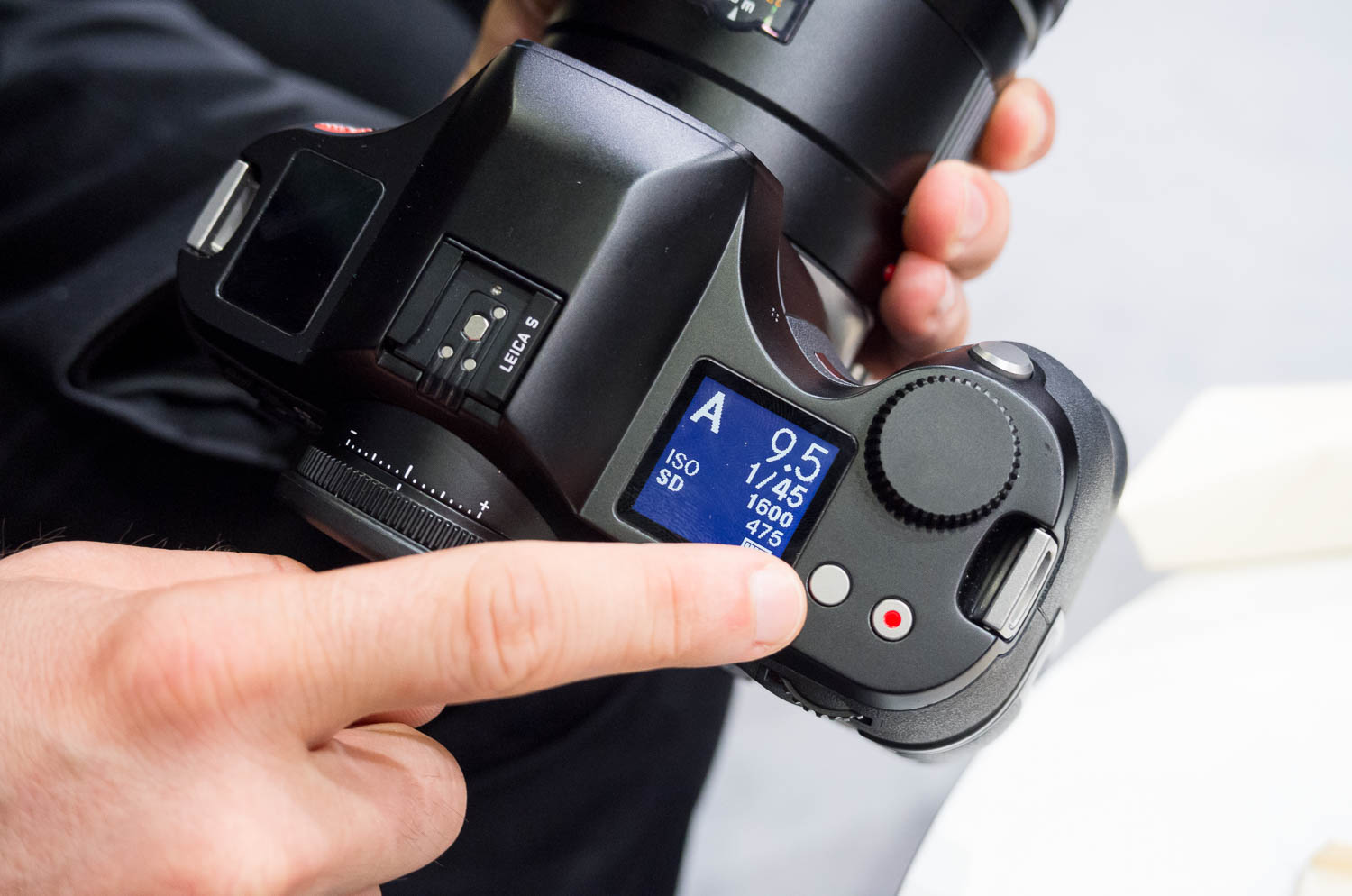
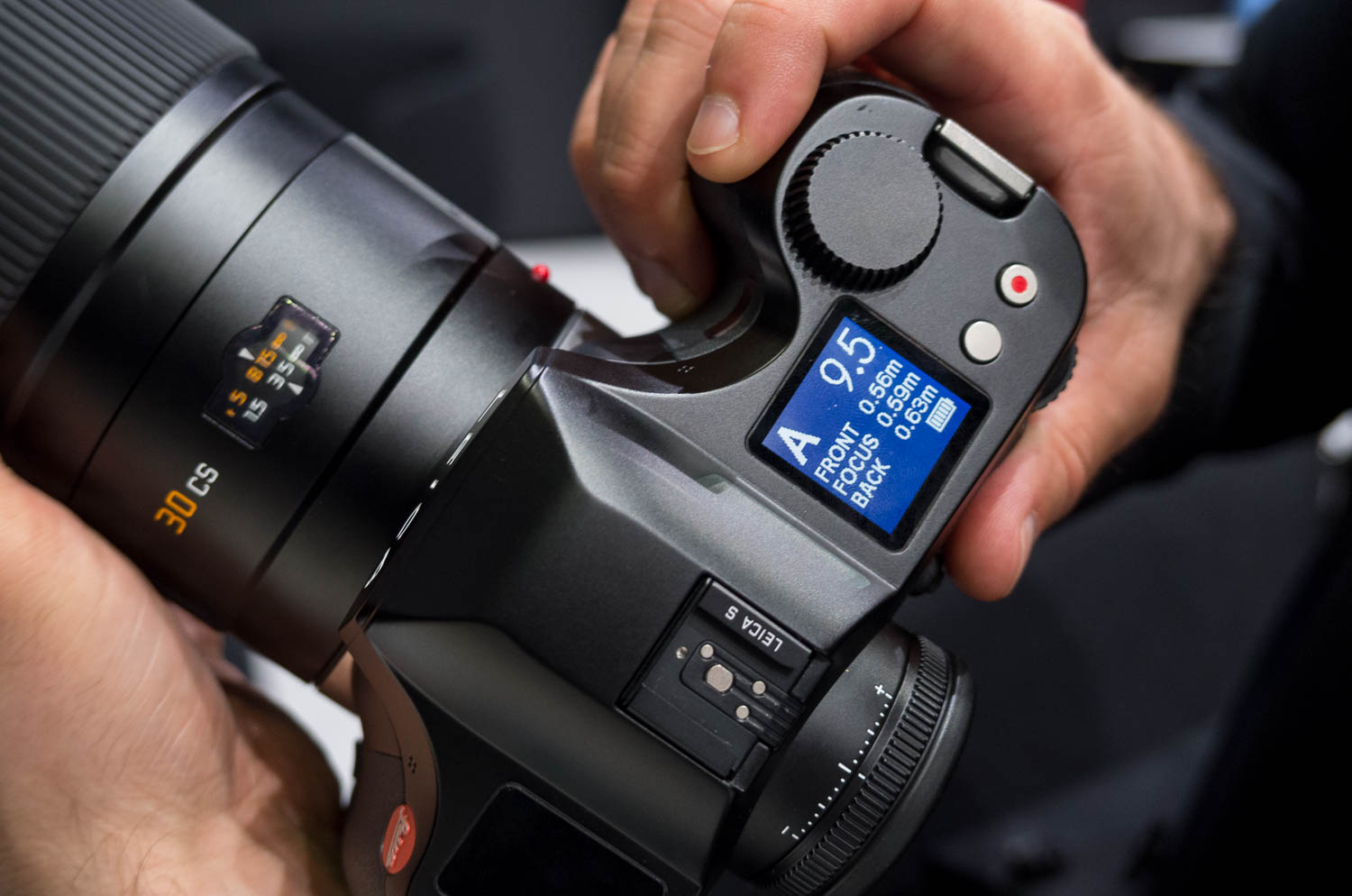
While the bulk of the body remains the same, the entire top plate is brand new. The round knob-like GPS nub of the S (Typ 006) is replaced by a black gloss rounded rectangle that sits flush with the top of the camera. At first glance, it looks like a second status screen and seemed somewhat out of place, but it does fit the design quite well after some getting used to. The top status color OLED of the S (Typ 006) is now traded out for a handsome transflective monochrome LCD that is at least double the size. Information is clear and crisp with white lettering against a deep blue background, and the transflective screen, while still having a built-in backlight, actually increases in readability under bright light. The screen is reminiscent of those used in car dashboard displays.
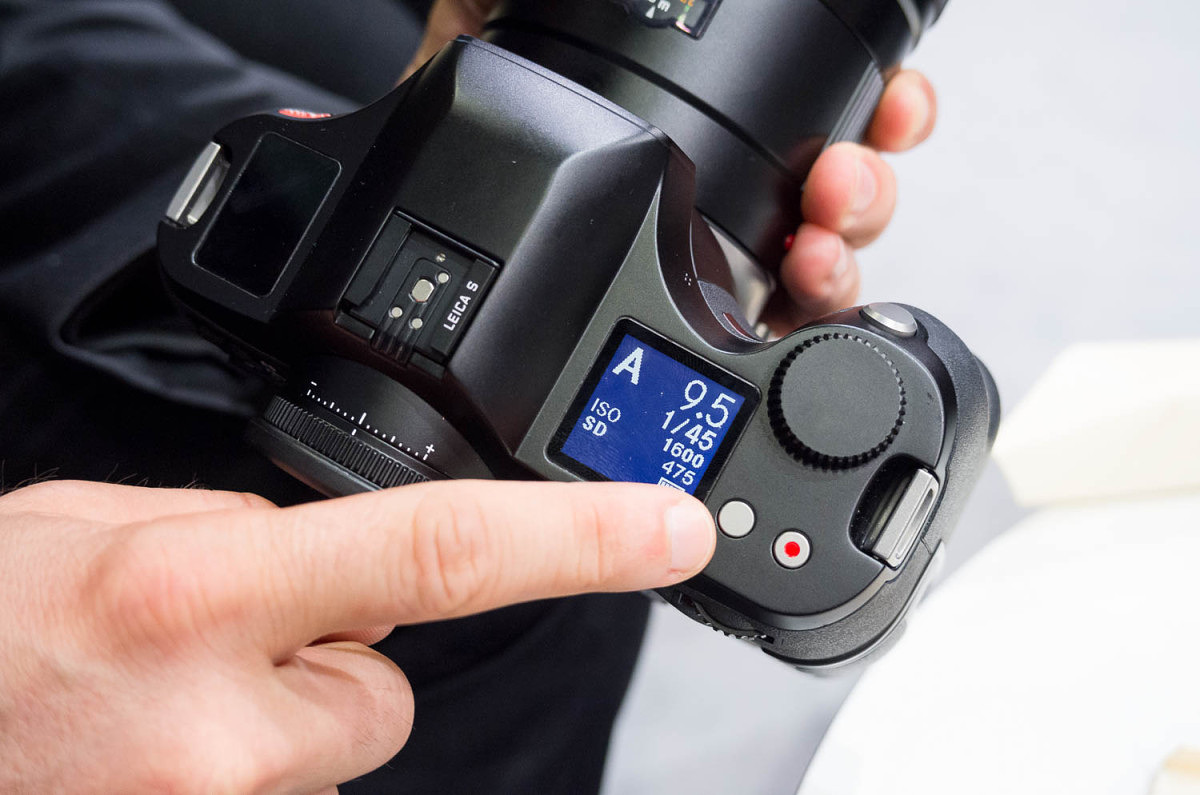
New top transflective LCD
The shutter speed dial is now updated as well. No speed markings grace the dial any longer. The dial is smaller in diameter, has been moved forward towards the front edge and is much easier to turn. The concept is to have multiple functions for this control element and to be easy to turn by your forefinger while gripping the camera. Both were achieved here as I found it easy to use and comfortable to access while shooting. In playback mode, the top dial now controls zoom, with the rear thumb dial taking care of scrolling. This makes playback and review of images much quicker and more intuitive.
The last changes to the top plate are two steel buttons that sit to the right of the large top LCD and behind the top dial. The one with the red dot on it is to activate video recording and the other unmarked button is to turn on live view.
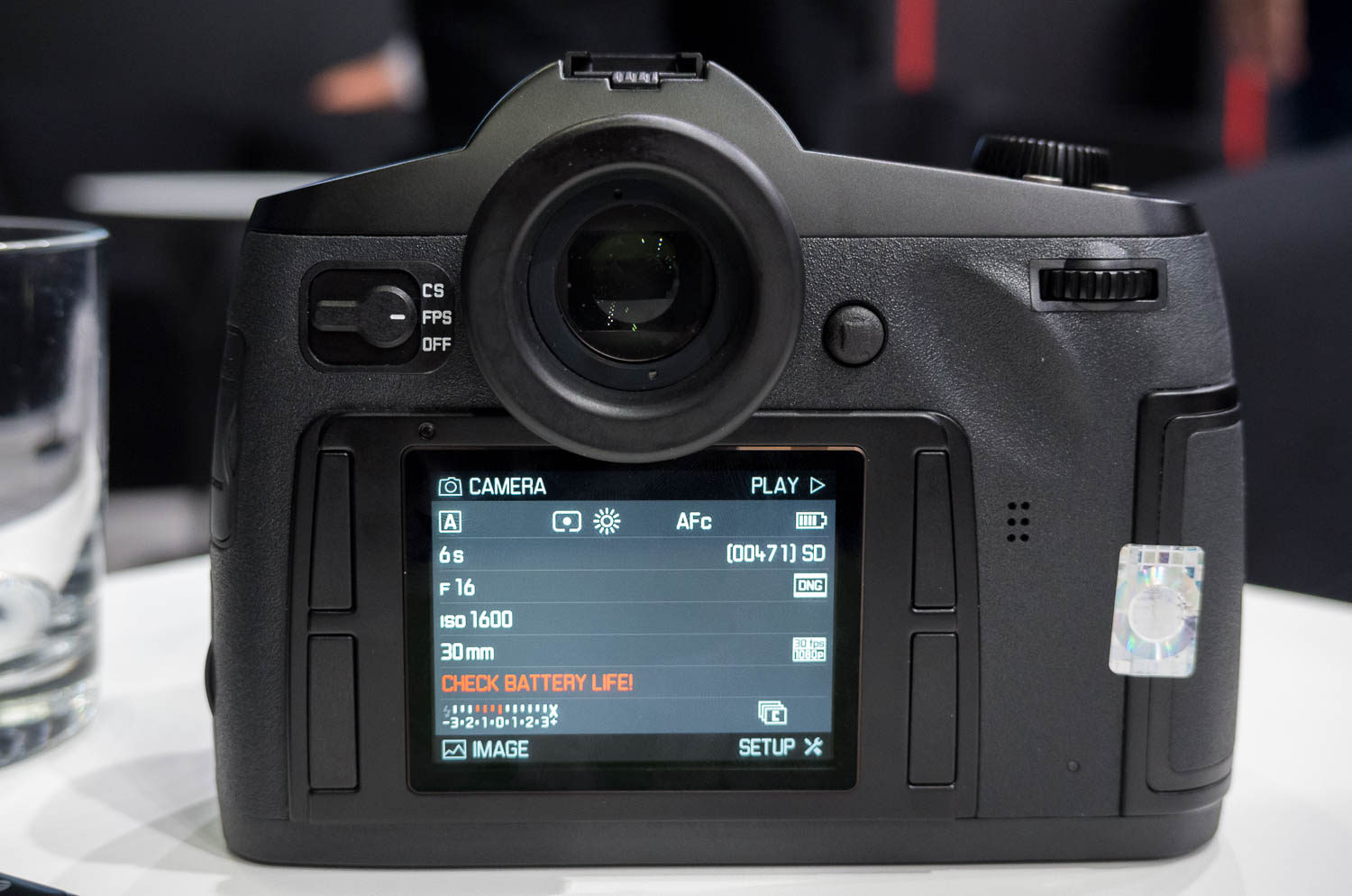
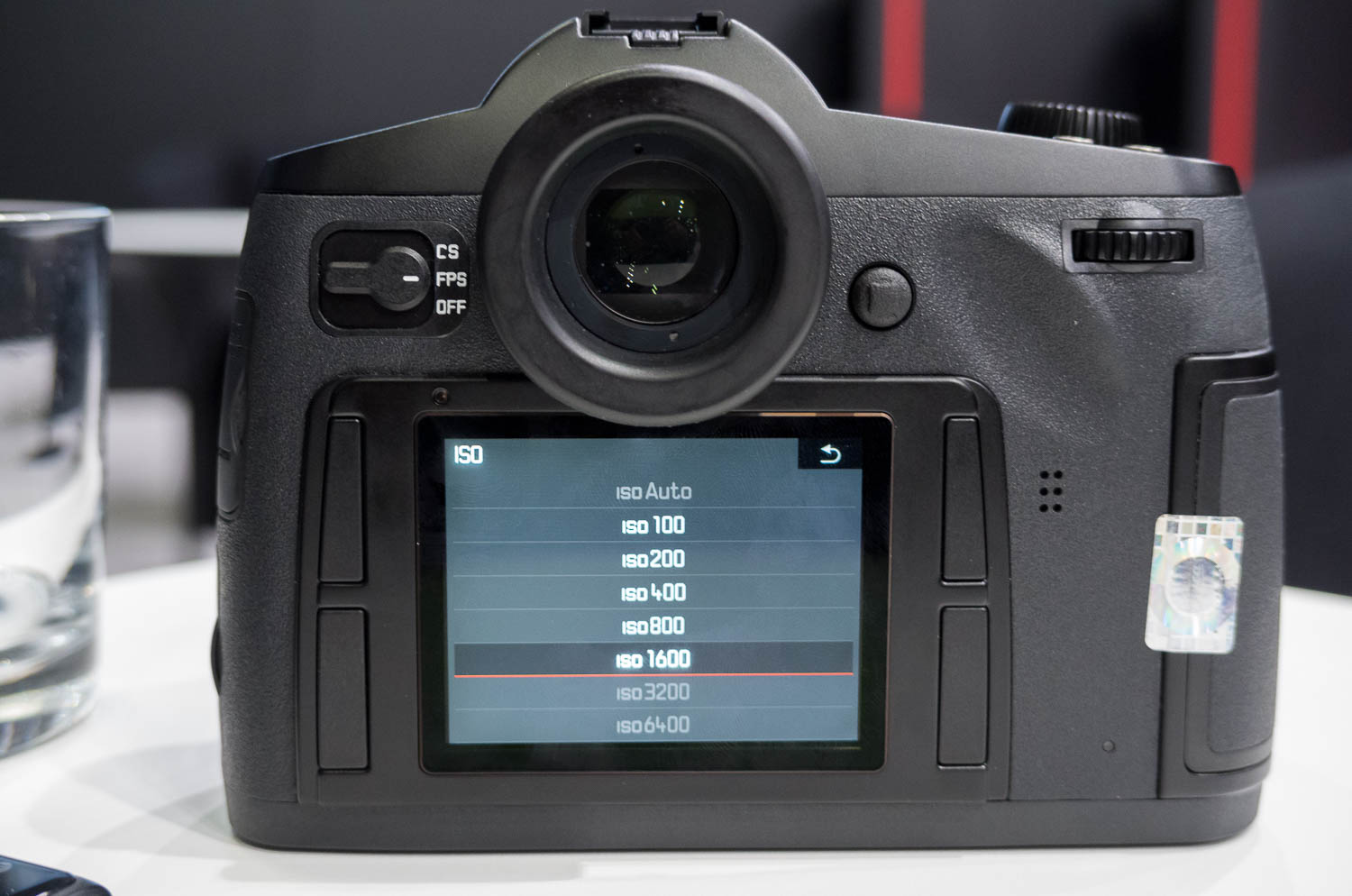
While not readily apparent from looking at the back of the camera, the onscreen GUI has gotten a nice facelift. Leica designers have traded rounded, dark gray selections to a more modern flat design, more similar to what you might see in iOS 7 or Windows 8. The look is clean and readable and functionally perhaps just a little easier to navigate given the improved menu organization. You also can update firmware within the menu without having to power cycle the camera and hold any buttons for x amount of seconds.

New status screen
The battery has gotten its own update. Visibly indistinguishable from its predecessor, the new battery boasts an increase in capacity in order to run the live view and video features of the S 007. The really great news for existing S2 and S 006 owners is that the battery is backwards compatible, meaning you can use it to get even longer battery life. It can be used in the Multifunction Grip, which is unchanged, as well as being charged using the same Pro Charger. Just don’t mix the old and the new battery in the grip. The warning I received about this reminded me a part in the movie Ghostbusters of when Egon warns his comrades about not crossing the streams, so we’ll leave it at that.
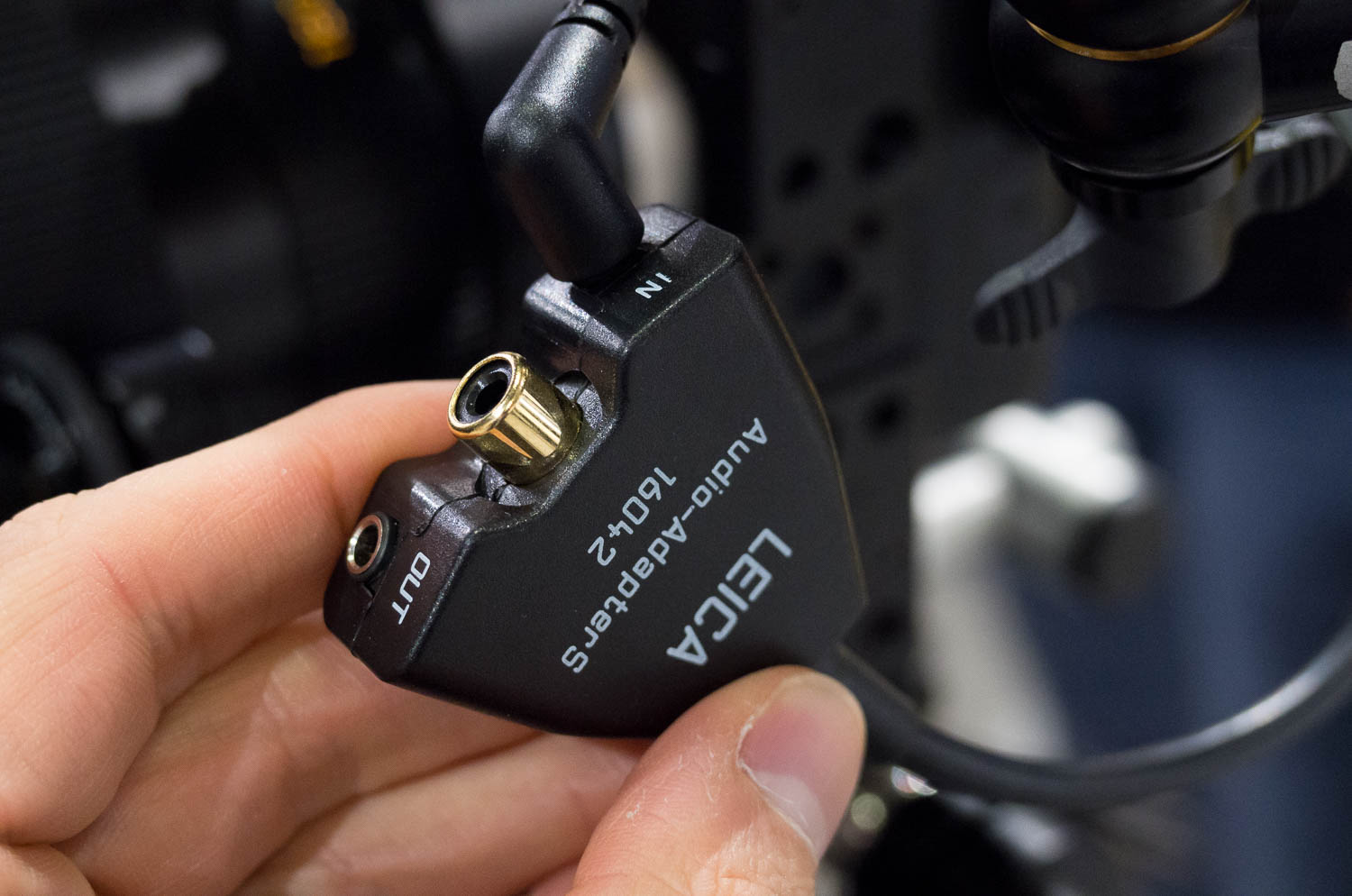
Included with the camera is a new piece of hardware, called the Leica Audio Adapter-S. This small dongle attaches to a locking LEMO port on the side of the camera and has three ports, two 3.5mm audio jacks, one for microphone in, the other for audio out, as well as an RCA connector for importing timecode from an external generator.
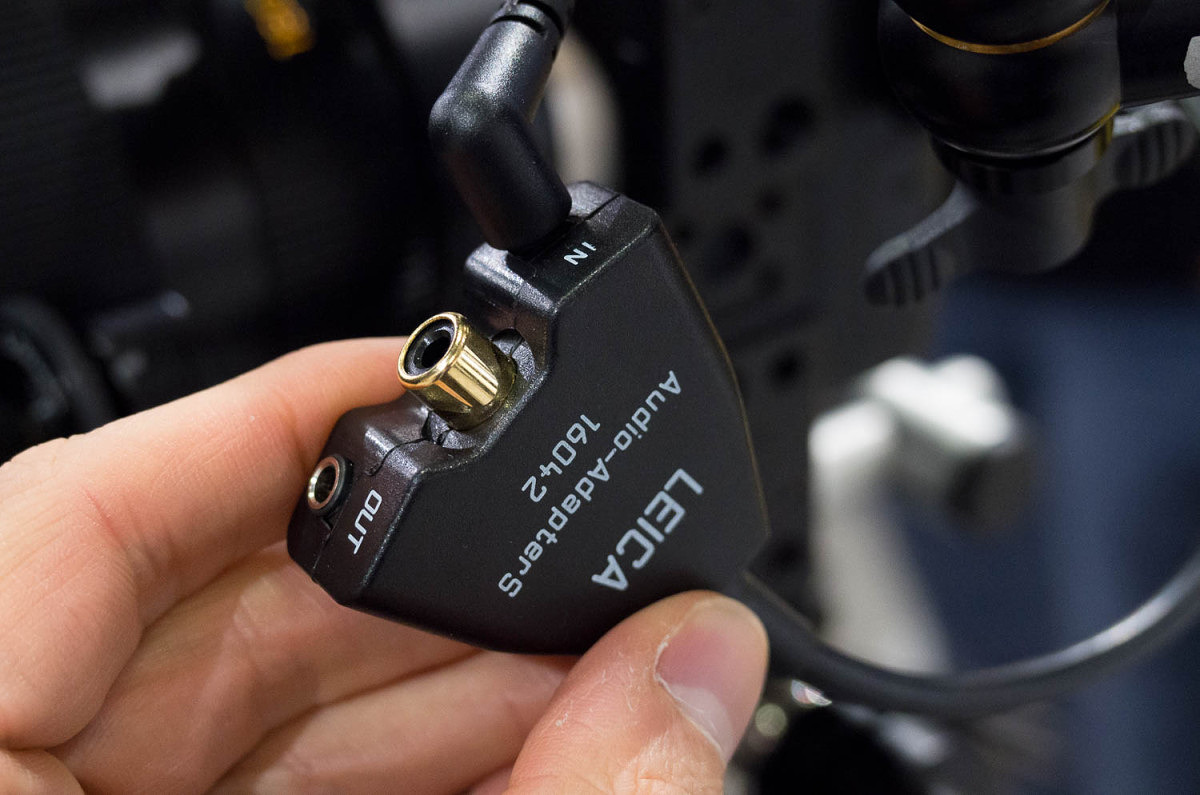
Audio Adapter S with audio and timecode connections
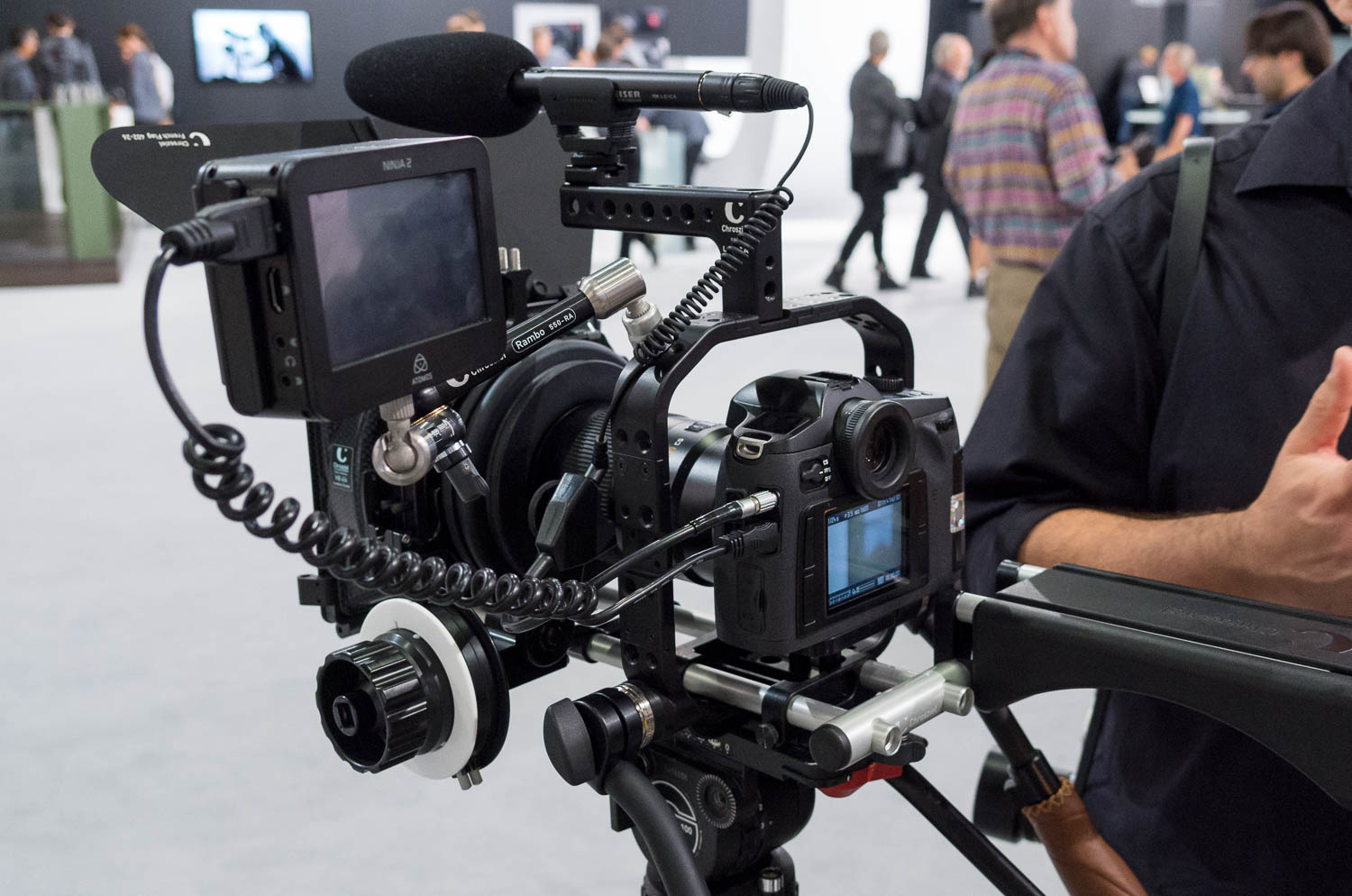
A lot of focus has been given to providing professional video features in the new S. As I already mentioned, the camera can shoot Digital Cinema 4K and 1080p FullHD. The 4K is actually wider than that used on televisions and computer monitors, measuring 4096 x 2160 pixels. The 4K video is captured at 1:1 on the sensor, meaning that each pixel on the sensor yields one pixel on the final video. So, to this end, the 4K capture area is a cropped section on the larger sensor. While I was pretty excited about the prospect of 4K on such a large sensor, from a quality perspective, this approach is a better one. In 1080p FullHD mode the entire area of the sensor, cropped to 16:9, is used. I imagine video guys everywhere drooling over the prospect of shooting on such a large sensor through the incredible range of S glass. Video can be recorded to either a local CF or SD card, or simultaneously to a computer or recorder via the HDMI port. Output from the HDMI port is limited to 1080p only, as Leica is using HDMI v1.3 which cannot carry 4K signals. The video feed is clean, stripped of any overlays or other information, allowing it to be recorded and ported as necessary. Quality of video should prove to be excellent, whether recorded to card or over HDMI. 4:2:2 sampling is used for best color fidelity and Leica engineers are targeting a bit rate of 50 Mb/s.
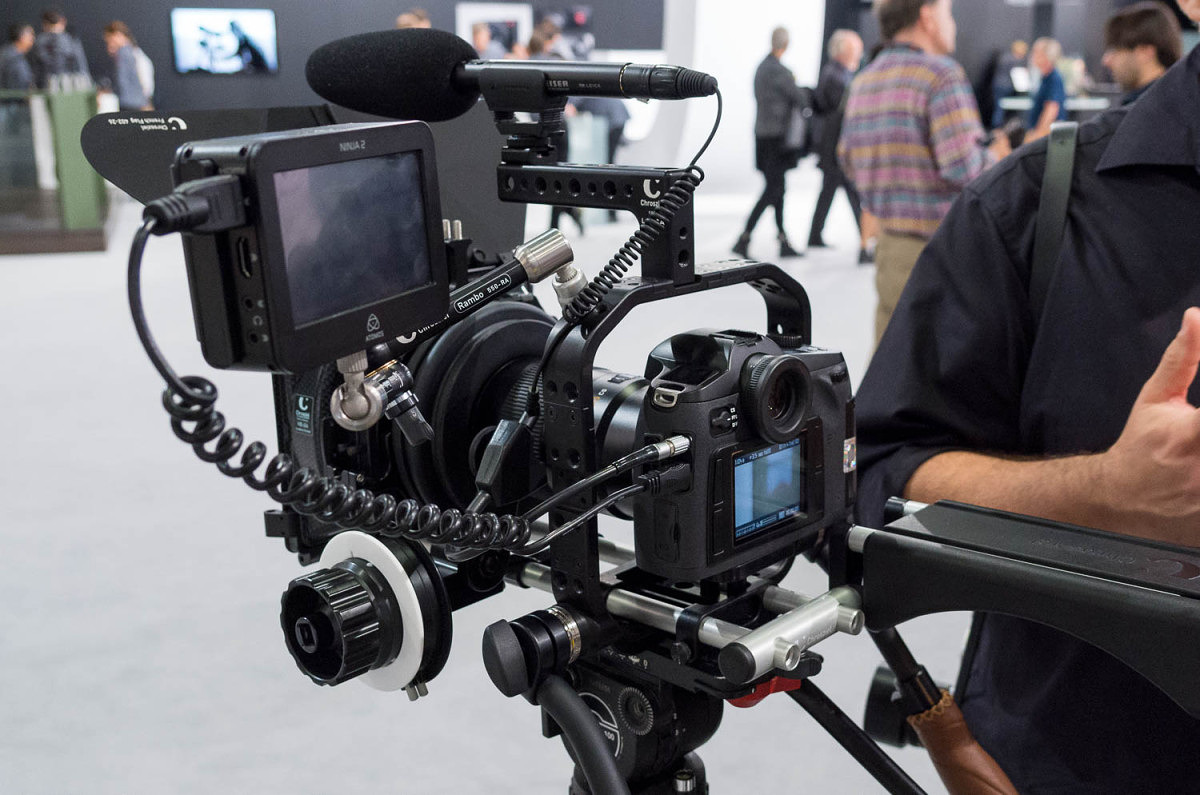
Full video rig
Besides video features, the two main focuses of the S product team has been to overcome two of the challenges historically found in medium format digital systems, namely speed and low light performance. The S has seemed to come out on top on both accounts. At 3.5 fps, the S shoots roughly three times faster than a Hasselblad or Phase One camera. This frame rate is possible with the new shutter and with the upgrade to the Maestro II. The first Maestro processor, care of chip maker Fujitsu, was already quite capable, chugging through 160MP/s. It powered the S2, the S 006 and most recently the M (Typ 240). While a specific speed isn’t being disclosed right now, the second generation ASIC chip is on the order of 2.5-3x faster than its predecessor. Along with support for Wi-Fi, USB 3.0, live view, 4K video and a blazingly-fast frame rate, the new processor also boasts improved image performance and enhanced in-camera RAW noise reduction. This goes to address the second goal, low light performance. Even though the sensor architecture is roughly the same as the one used in the M 240, these improved algorithms and image processing will result in even less noise at equivalent ISOs to the M. We are talking about very good and usable full res ISO 6400! The S is no longer relegated to being used in full light or being confined to a tripod. Coupled with the 30-90mm Vario lens, this beast could easily serve as a general purpose shooter, with similar handling and capabilities to that of a pro 35mm DSLR, but offering the advantages of medium format with a sensor area 60% larger.
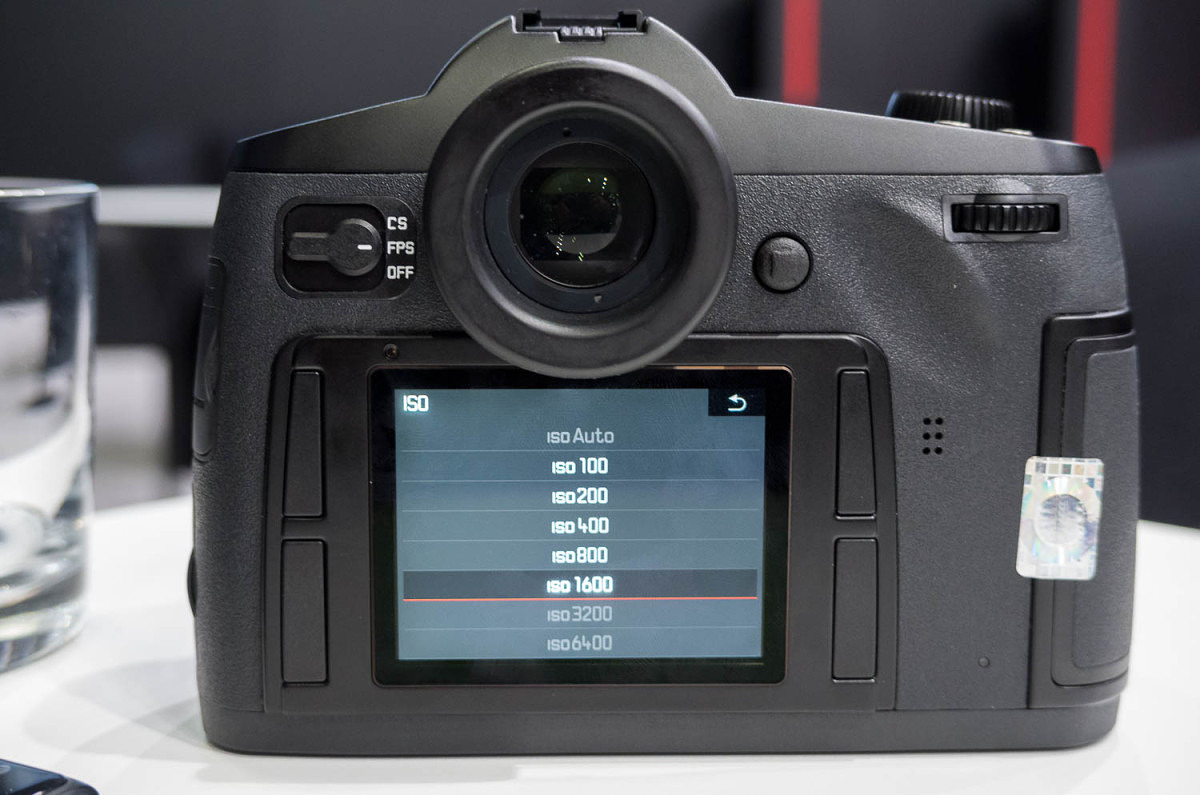
High ISO range? Yes, please.
Along the same lines of speed comes an entirely redesigned AF system. While still featuring a single cross-type sensor in the center of the frame rather than a few closely spaced points, the already good AF speed and accuracy is now improved by a full 50% increase in both. This is not a small incremental bump, but rather feels totally different. I tried it out and even the previously mediocre AFc tracking mode is really good now. I’m told that it can easily track a subject walking or jogging toward the camera, even in the close range. And, you don’t even need to buy a new S 007 to take advantage of the speed increase.
Here’s how it works. In the old system, the AF sensor when activated would tell the motor to start moving towards the target distance. When it reached that point, the AF sensor would measure again, then start the motor again to adjust for precision, and repeat as necessary until 100% perfect. But this starting and stopping proves to be a little inefficient.
In the new system, the AF module stays active during the entire travel of the lens, constantly measuring and providing real-time instructions to the focus motor. Also new is the ability to finely vary the speed of the motor, slowing down and starting up gradually to minimize any jerkiness and increase movement efficiency. Apparently, the hardware to control motor speed through pulse width modulation and maintain AF measurements throughout the range have been there since the S 006, just not the software. So the new firmware just released for the S 006 upgrades the AF to the new standard. Unfortunately, given the hardware differences, the S2 cannot take advantage of this. Leica’s been doing a fantastic job providing ongoing support and expanding functionality for existing customers.
Also included as part of that AF package is a faster time to shoot. In AFs mode, when you press the shutter, the mirror actually starts to move before the lens motor has fully stopped. The system knows where the point of focus will be and will continue to finalize focus while the mechanical exposure sequence starts. This leads to a feeling of much more responsiveness.
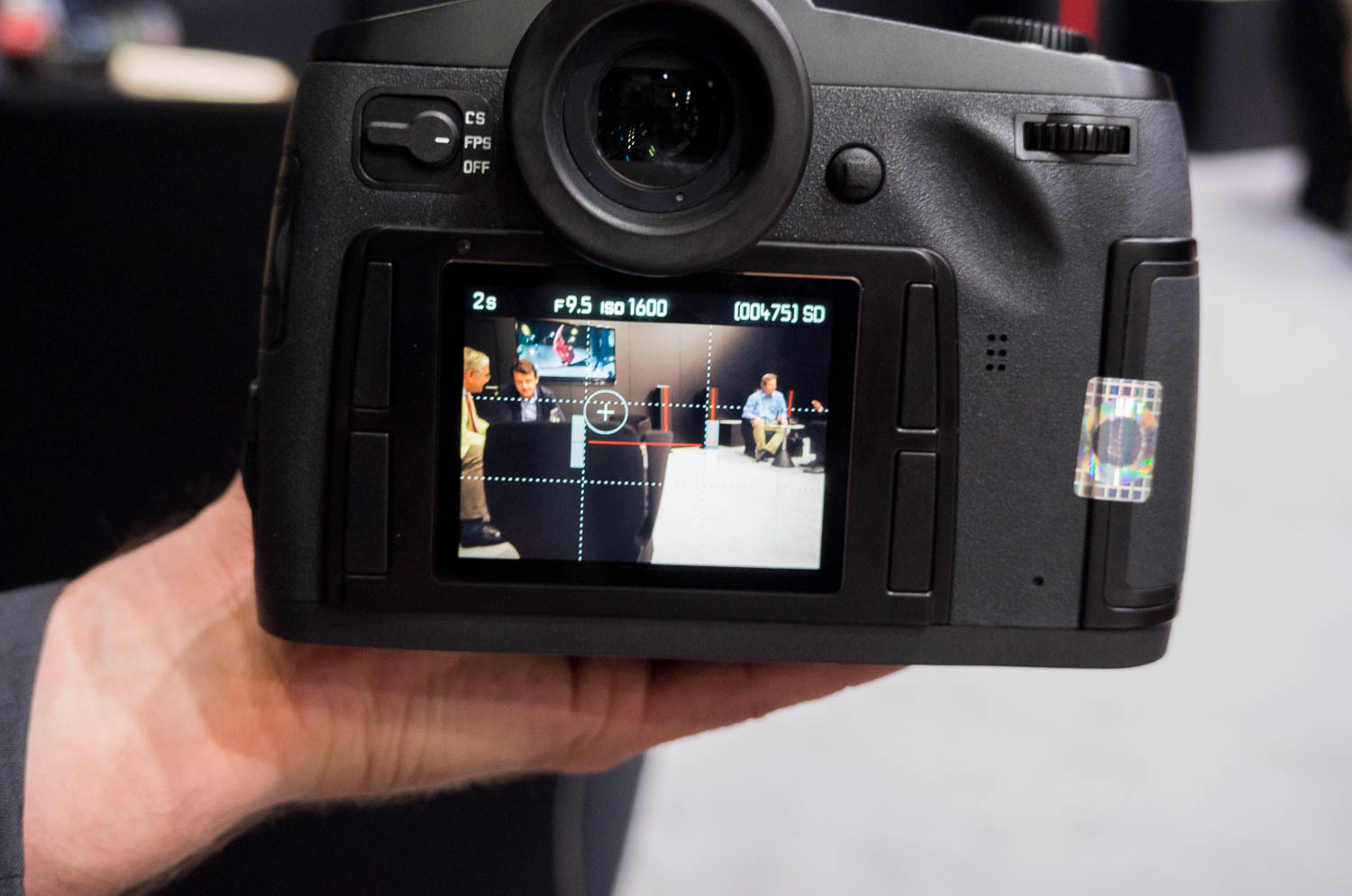
Another huge item is live view functionality. With a 60 fps refresh rate off the sensor, live view looks amazing. Clear, bright and fluid. Unlike the M 240 or the T, which only allow for zooming in to the center of the image, the S 007 allows you to pan anywhere in the image at 100% view. And, you can use a spot cursor to use contrast detect AF anywhere in the image which in live view. There is also focus peaking and the focus spot can be combined with the spot meter to meter anywhere in the frame as well. Very nice implementation.
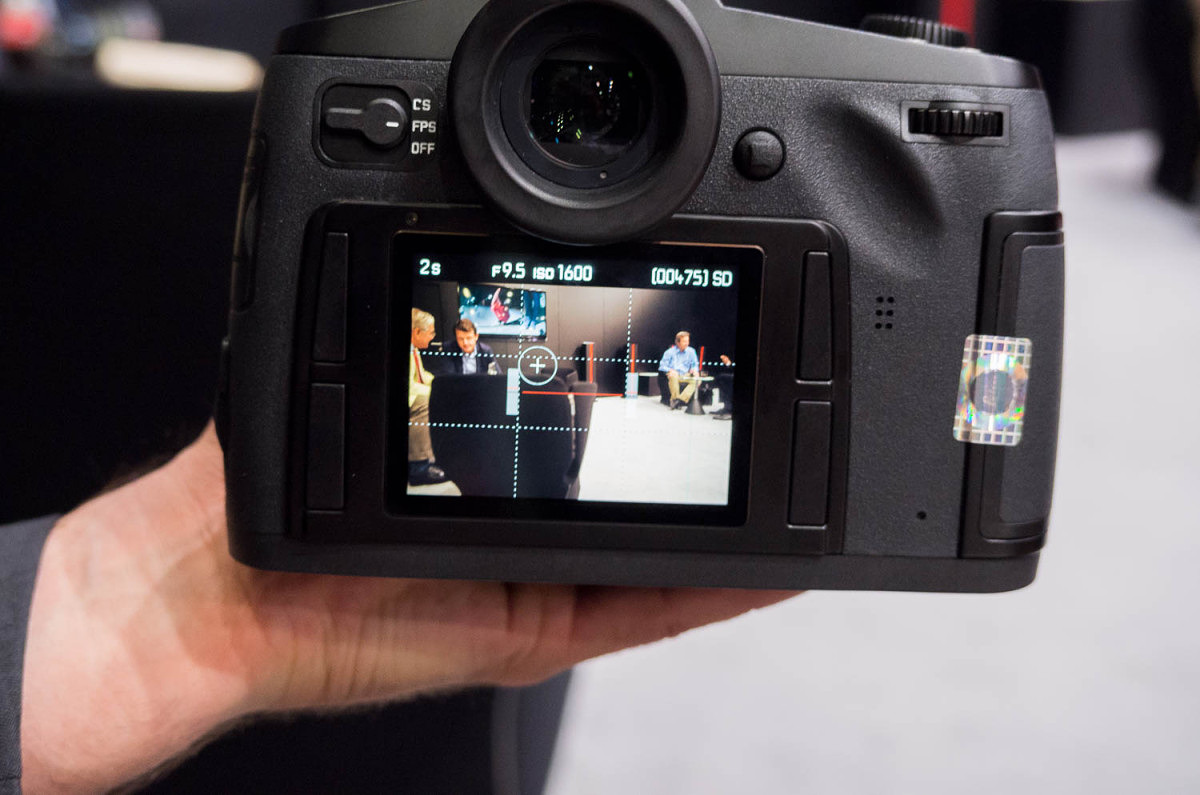
Spot AF and spot metering in live view
Like the T, the S can now use the Leica Shuttle app for iPhone or iPad to remotely control the camera and stream a live feed from the sensor. If you have a weak connection, the frame rate will drop, but the camera will still communicate. All image controls as well as relevant menu items can be accessed remotely and high-res JPGs can be streamed while shooting, all while the camera records to the internal memory or to a tethered connection over USB. Great feature for both the commercial studio as well as in the field for landscape applications. And, just like the T app, you’ll be able to browse and evaluate all the images on the card.
Some of my long-term wish items have been granted. In speaking with the Toni, he said that there were some “David Farkas wish items” on the new camera. One of my long-term wishes for landscape photography was to have the ability to determine hyperfocal distance. The S offers such a full system integration between lens aperture, precise focus distance and the camera that I reasoned it should be possible to calculate and display a DOF range. I’m happy to say that this is now a standard feature on the S 007. Whenever you are in manual focus mode or when performing a manual focus override in AF, three numbers show on the top display: the focus setting, front focus and back focus. So, to get hyperfocal, just turn the lens until the back value reads at infinity. Done and done. Love it.
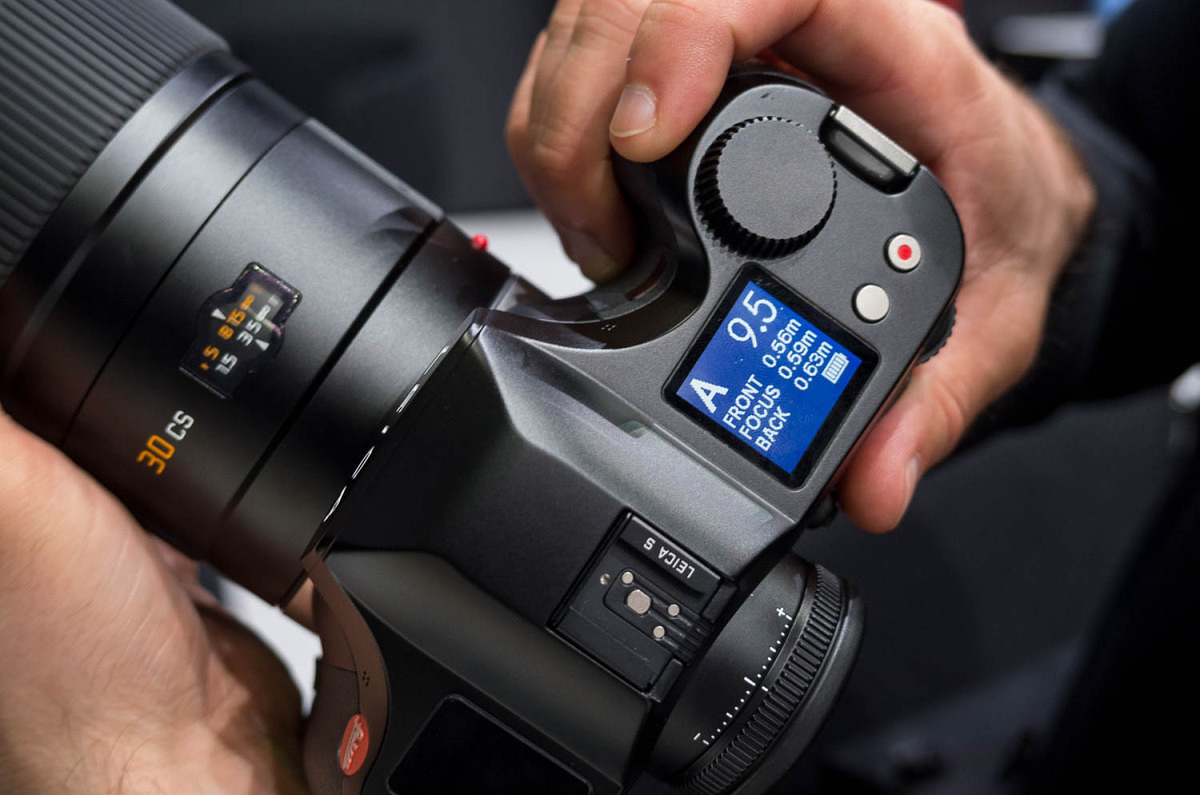
Distance readings for DOF
Another item that I’ve requested is the ability to write DNG to both the CF and SD cards at the same time. Not only does the camera do this with ease, but in Backup mode as it’s called now, the S will also write DNG+JPG to both cards or store DNG files on card while shooting tethered. This last point is great. If the S2 or the S 006 got disconnected during a tethered shooting session, the camera would be fine, but the images in the buffer and in transit would be lost. Now, the S 007 in the same situation would just continue shooting to the internal card storage.
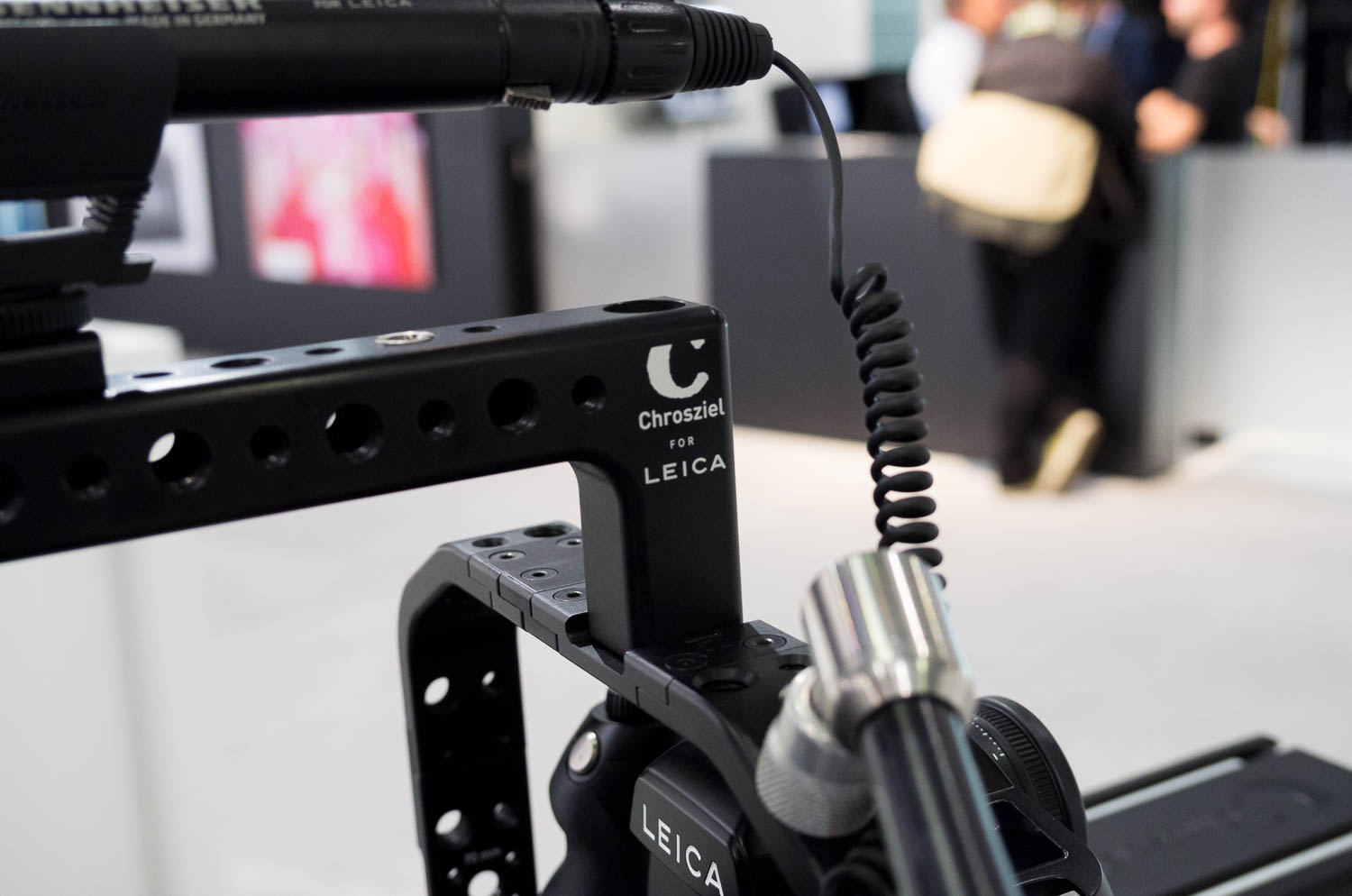
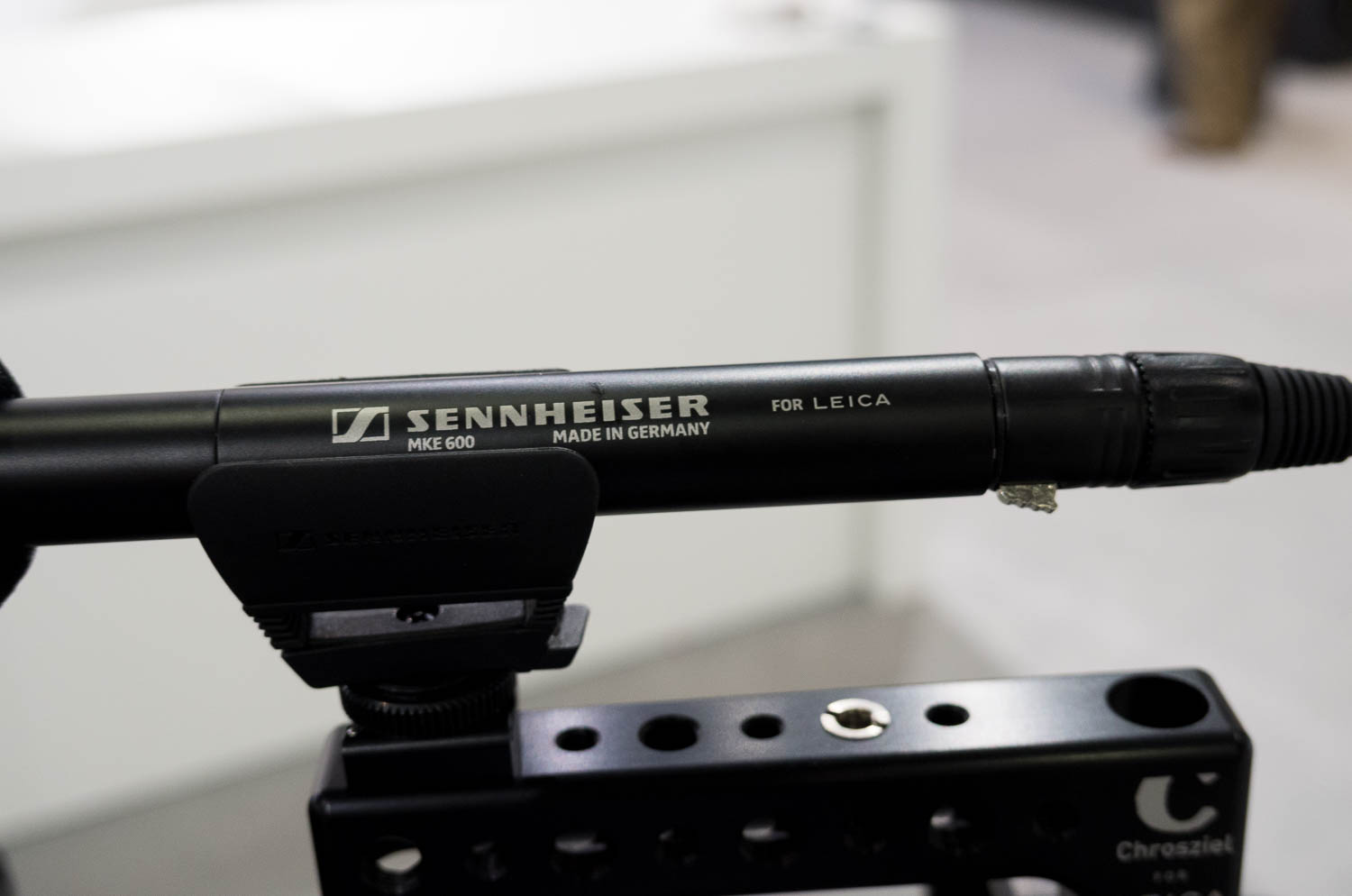
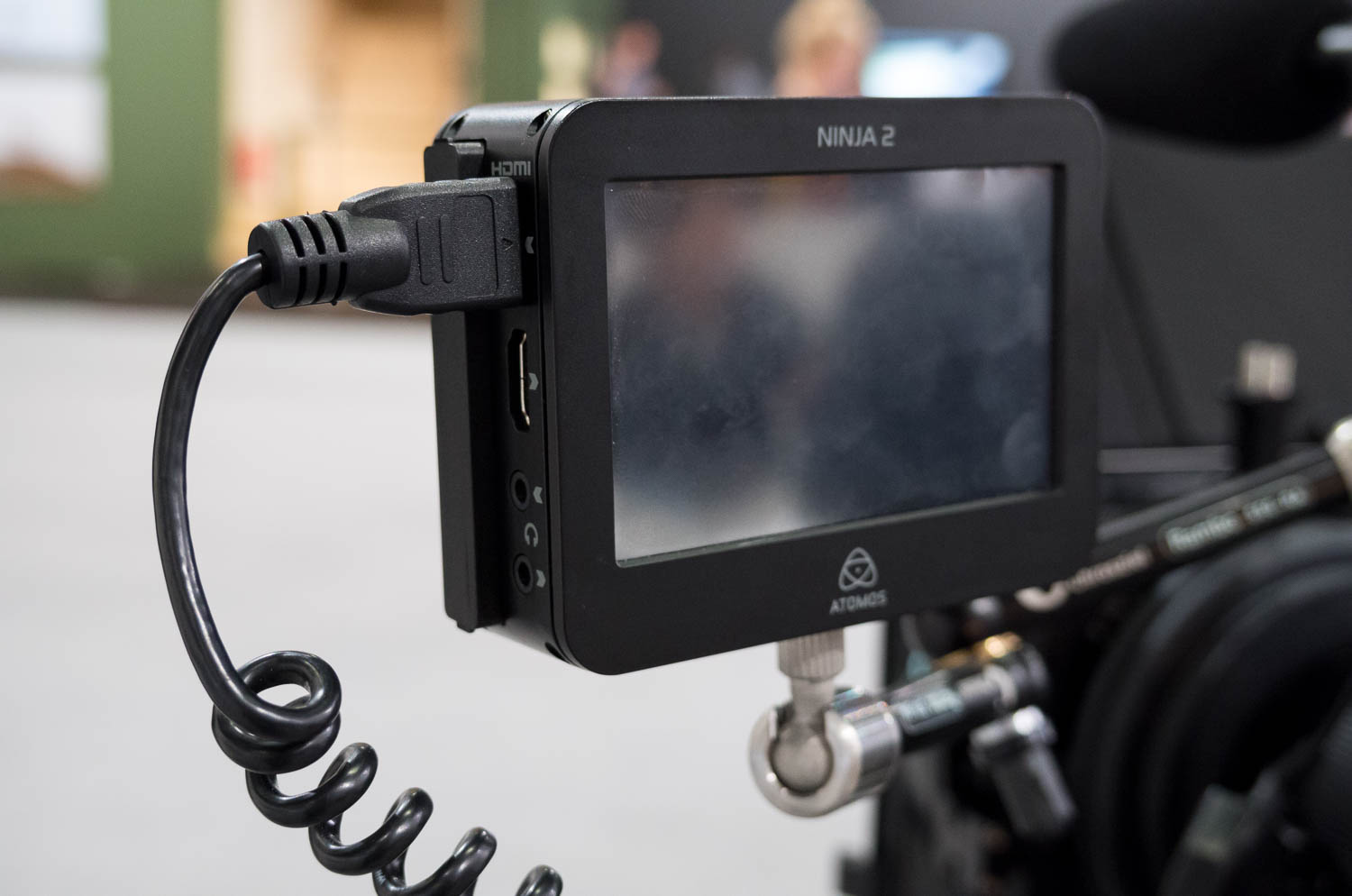
Leica is also teaming up with some experienced video accessory companies to create a full shooting package around the S. Rigs, matte boxes and follow focus controls from Chrosziel, microphones from Sennheiser and digital capture from Atomos are all in the works. In fact, Atomos is planning a firmware update that will allow the S to be controlled by the recorder’s touch screen when connected via HDMI.
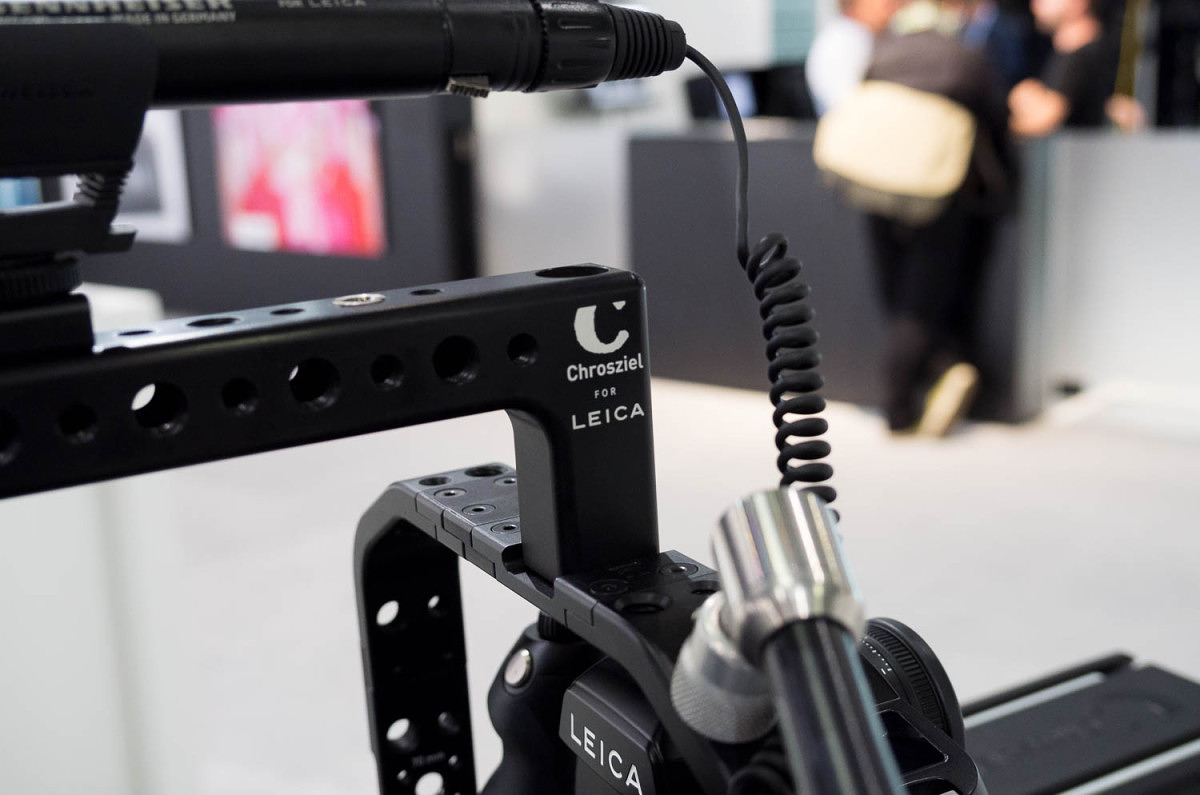
Chrosziel rig… for Leica!
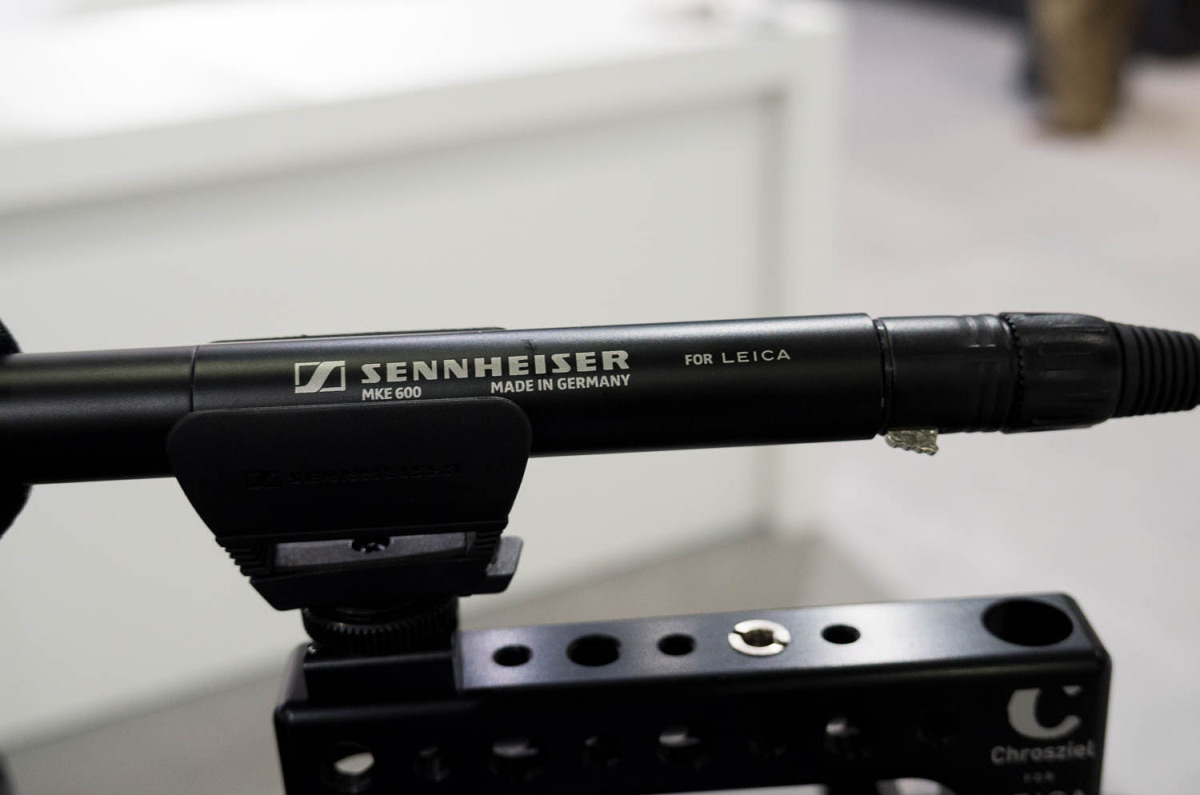
Sennheiser mic…. for Leica!
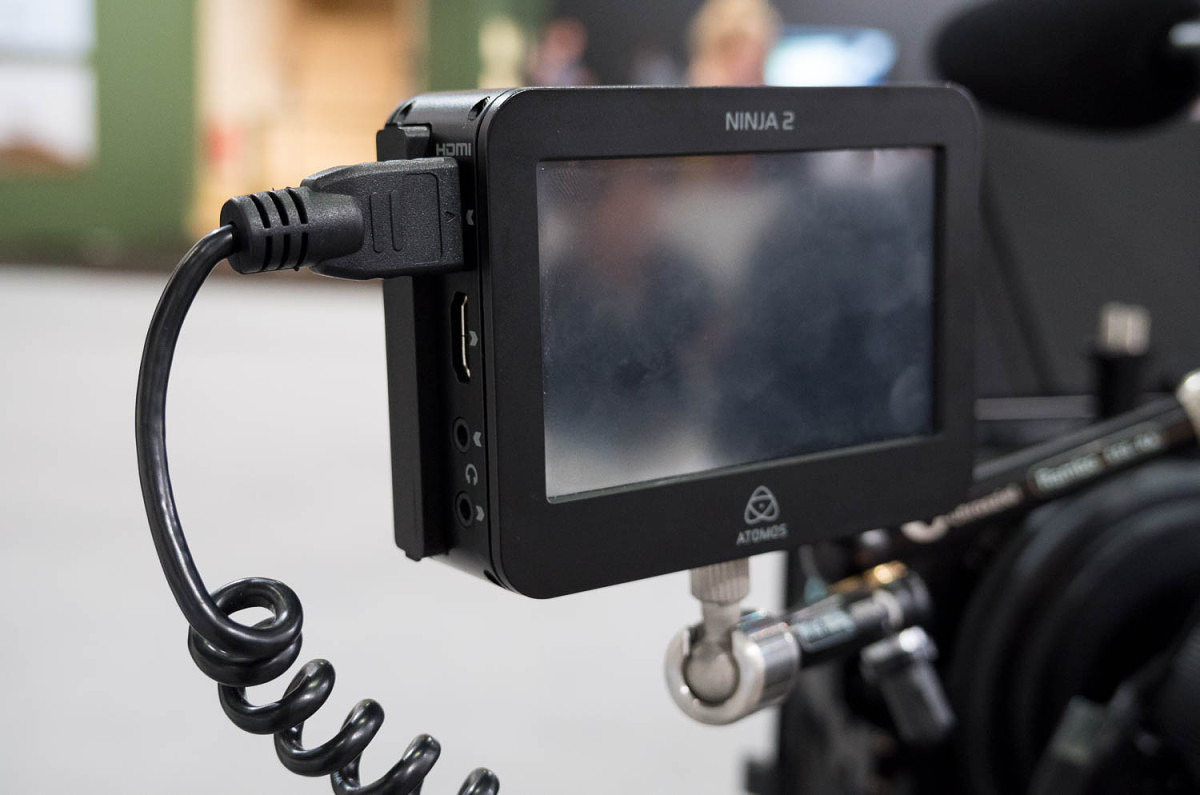
Atomos Ninja hooked up to S with HDMI cable
All-in-all, the S (Typ 007) seems to really deliver. Some might be disappointed by Leica’s decision not to bump the resolution slightly to 50MP, but to reiterate Stephan’s point, Leica is focused on delivering practical, real-world quality and usability.
To add a tenth lens to the system, Leica is also imminently releasing the gorgeous 100mm Summicron-S ASPH. This is now the fastest medium format lens produced and will equal the depth of field of an f/1.6 on 35mm full frame. It focuses down to 0.7 m and according to Peter Karbe, head of optics at Leica, it is an amazing optic, delivering almost perfect performance wide-open at every distance. He seemed especially proud of this new lens design and has made it clear to me in the past that the S lenses are the showpieces of Leica optical design.
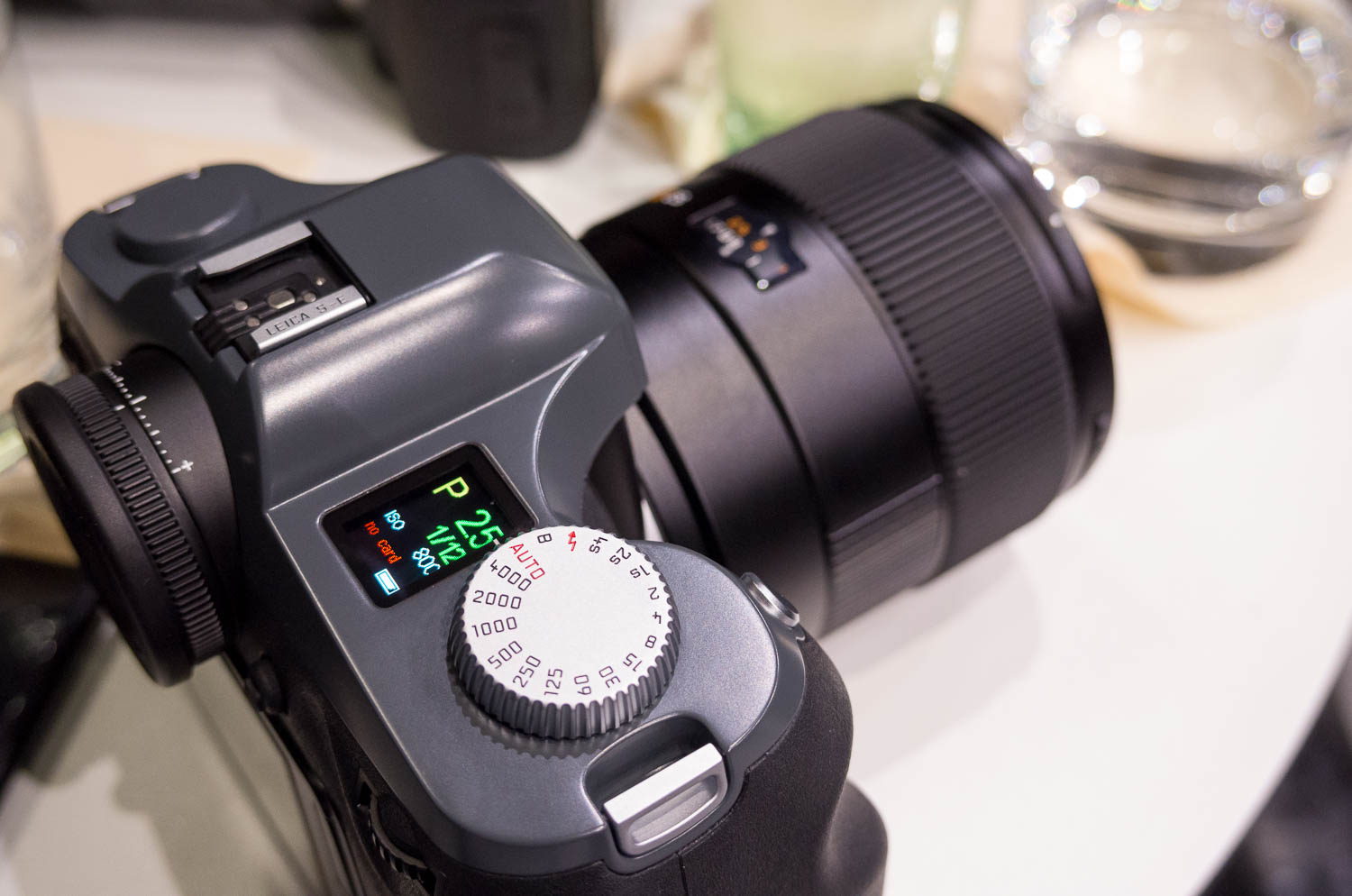
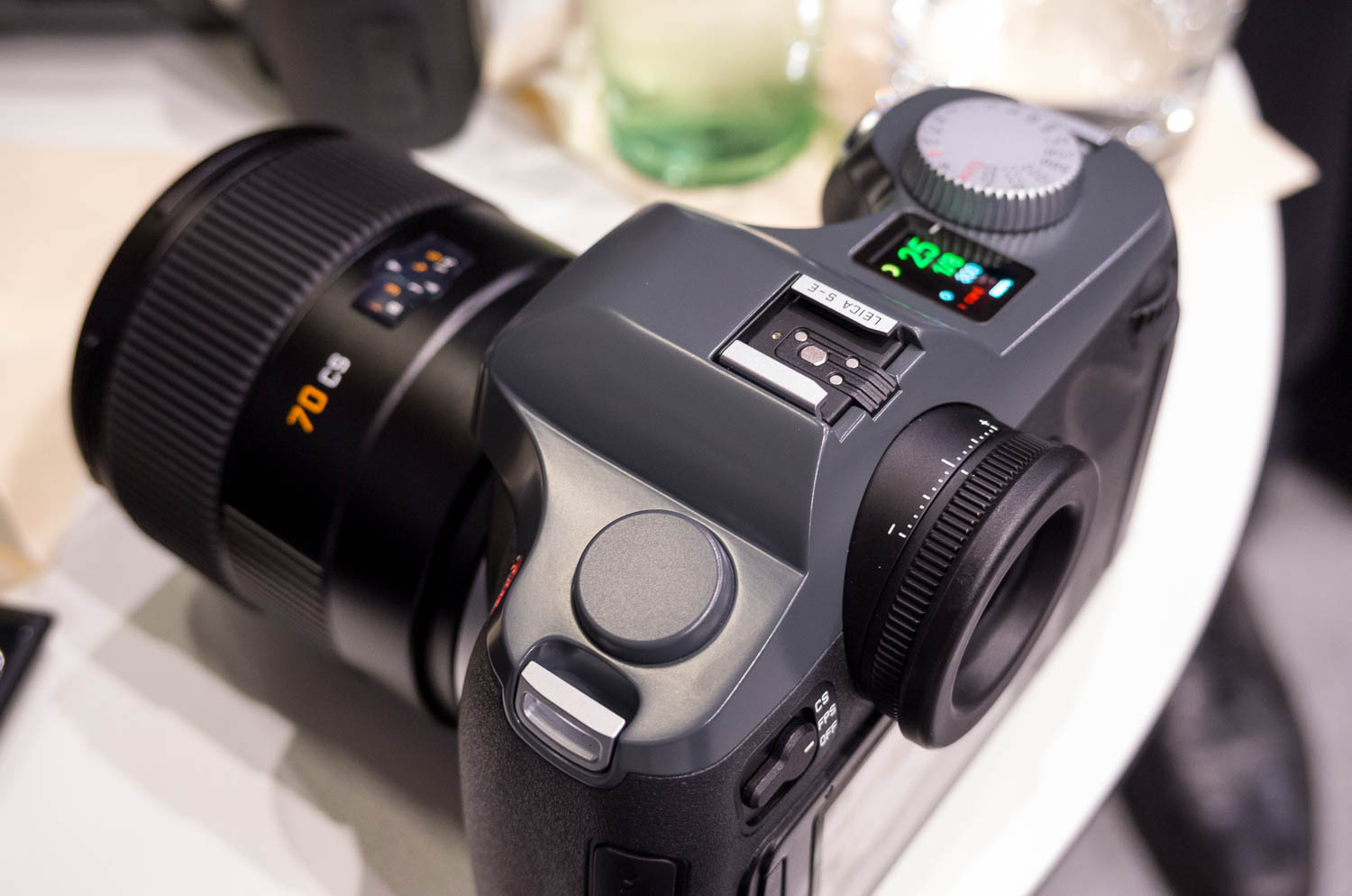
And, lastly, in keeping with the trend of taking the previous generation and rebranding it as an “essential” model, the S (Typ 006) will get a makeover and name change to the Leica S-E. Dressed up in anthracite gray with silver controls, the S-E is like an M-E on steroids. At about $10,000 less than the S (Typ 007), it can still serve the needs of those photographers not needing video, live view, fast frame rate or low light performance, while offering a more attractive price point.

Leica S-E
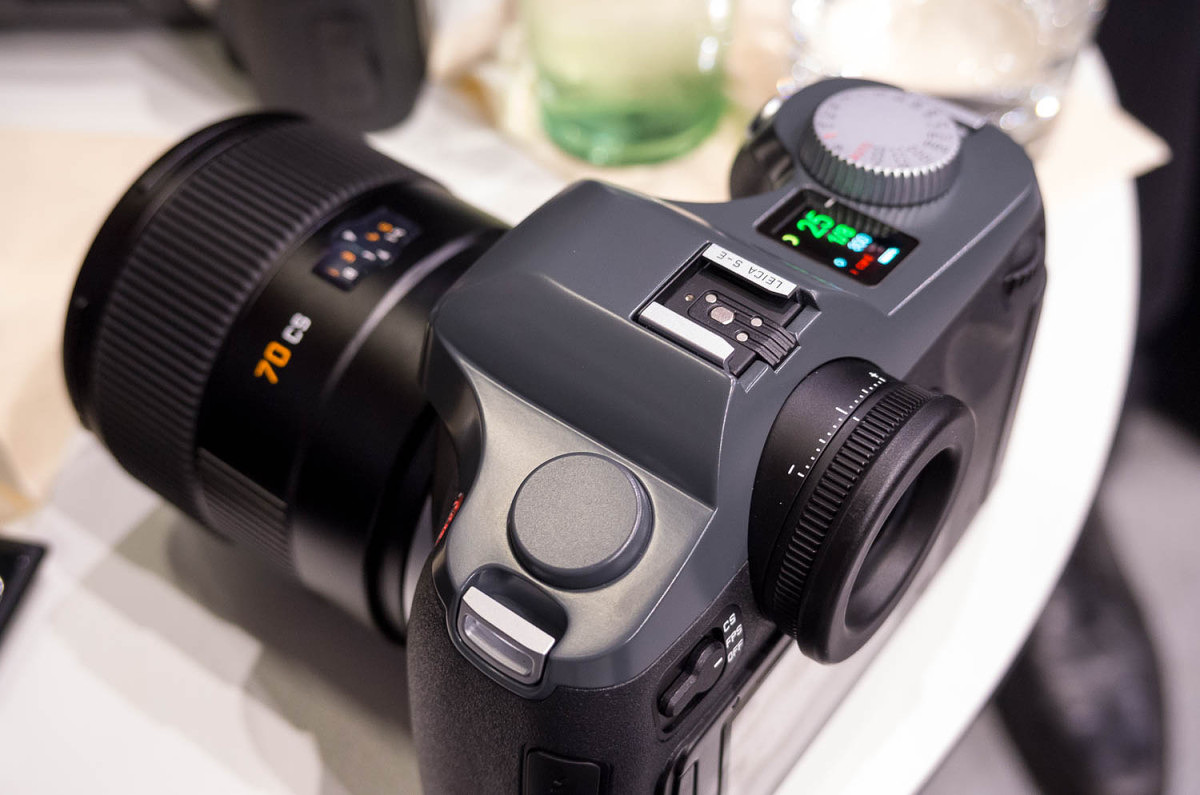
Leica S-E
The S System continues to mature and shows Leica’s long term commitment to constant improvement and continued support. The lenses continue to be among the best that Leica has produced for any system and now the upcoming camera offers medium format without compromise. It’s incredible that it’s only been six years since Leica first announced the S System and less than five years since it started shipping the S2. There has been so much improvement and a rapid build-up of lenses to meet most every need that the S is truly a flagship system for Leica.
Stay tuned for more Photokina updates! Don't forget, you can follow me on Instagram @leicastoremiami and on Twitter @reddotforum.
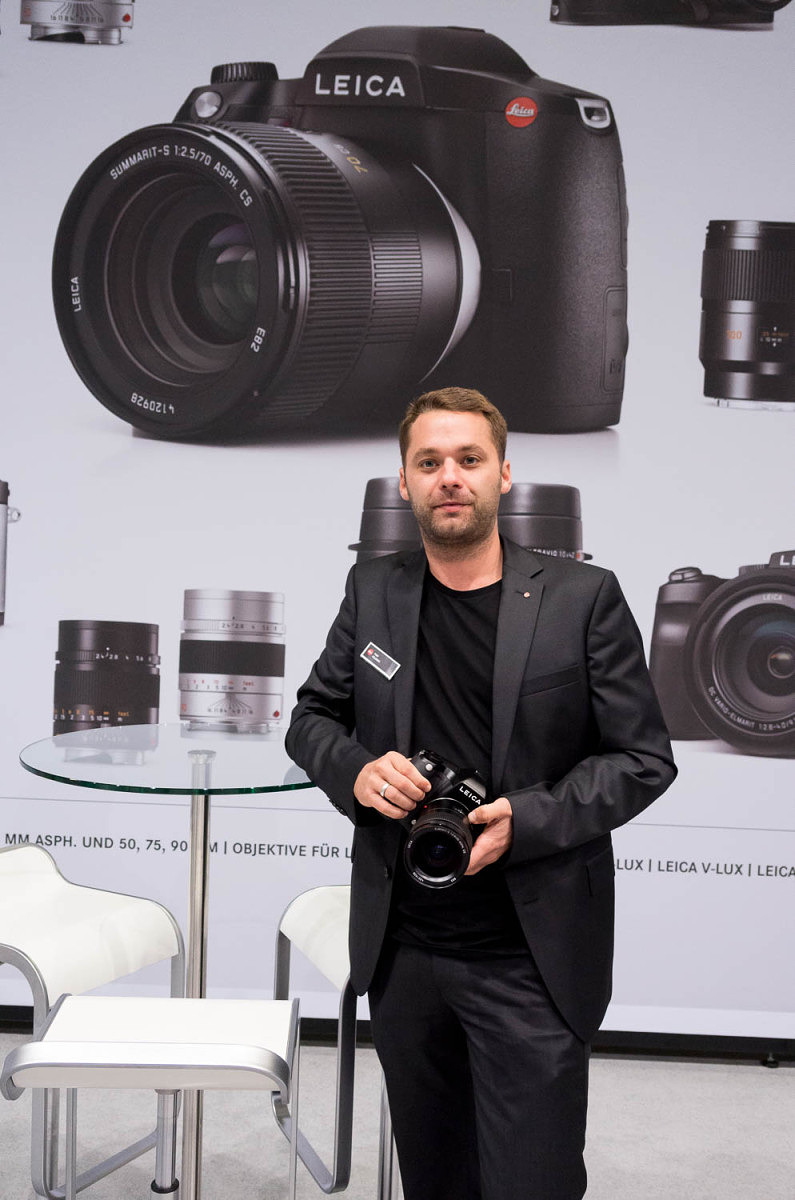
S Product Manager Toni Felsner
-
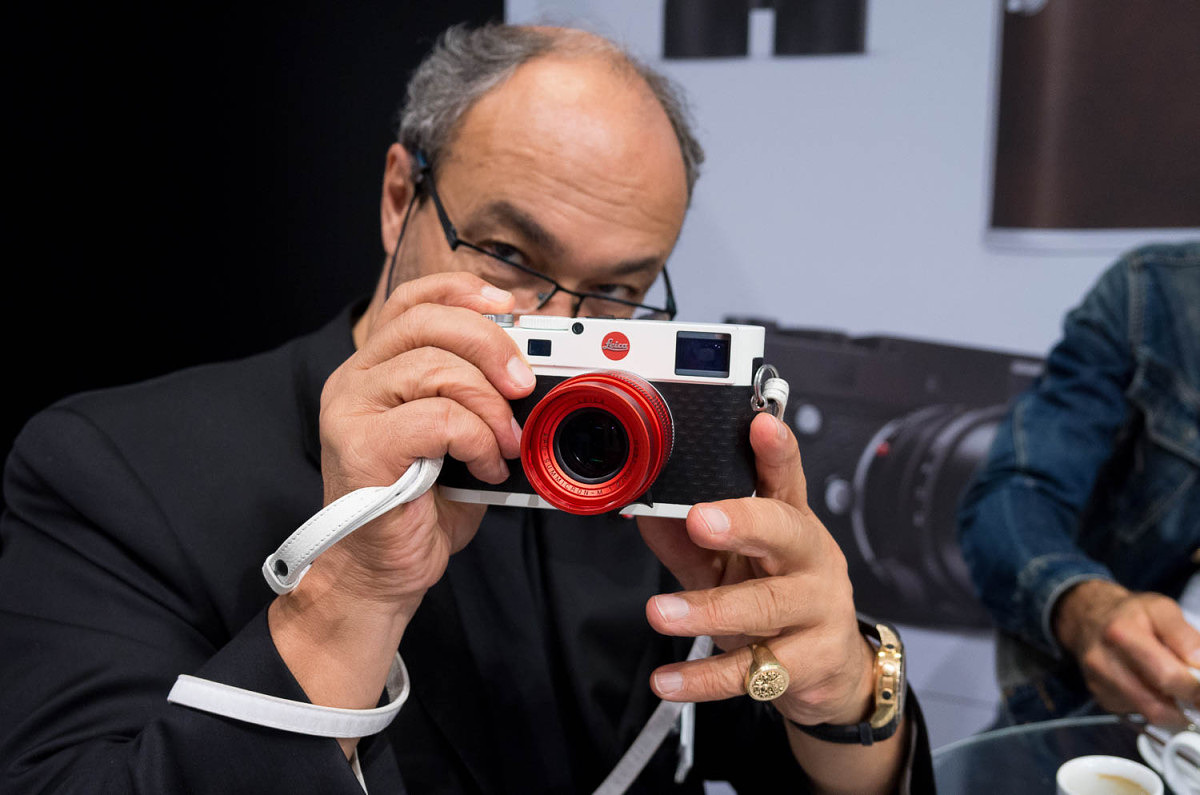
David Farkas wrote a new post, Dr. Andreas Kaufmann's one-of-a-kind M240 spotted at Photokina 2014 11 years, 3 months ago
So while I was waiting for an interview in the press area of the Leica booth earlier in the day, I noticed Dr. Kaufmann, the owner of Leica camera, sitting with a few people at one of the tall cocktail tables out […]
-
peter-dooling likes a reply on Night Street From Above 11 years, 3 months ago
-
david-farkas likes a reply on Night Street From Above 11 years, 3 months ago
-
Jack MacD replied to the topic firmware issue in the forum Leica T 11 years, 3 months ago
Yes, I updated fine thanks.
The instructions say double click the zip file, but apparently that was not necessary to do, as the computer automatically behind the scenes, opened to the final file. -
Peter Dooling posted an update 11 years, 3 months ago
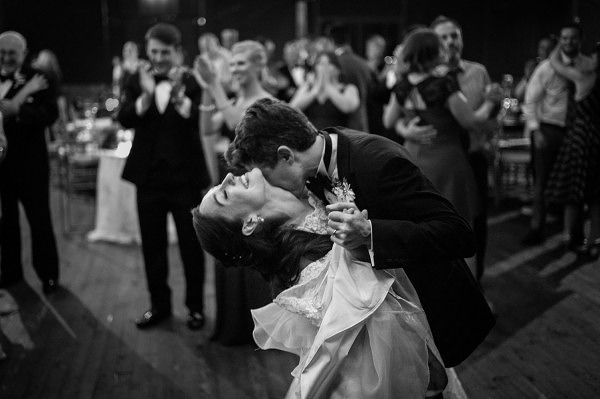
From a friend's wedding last month. M Monochrom and 35mm f/1.4 at ISO 6400-

I think the black and white works well with the subject matter. You see so many weddings in full color and they all look the same. B&W gives it an art aspect and so different from the norm.
-
Lovely image Peter. The B&W gives the image a nice mood and feel.
-
Thanks Harry.
-
Thanks Mark, I agree about the mood of B&W. Very hard to pull off in such a dark room though. Thankfully I had the Monochrom!
-
-
Jack MacD replied to the topic How is everyone liking the new site design? in the forum Annoucements and Site Matters 11 years, 3 months ago
David,
I added my photo easily, and was glad to see that my join date is three years before yours.
I like the new “using” designation.
So now that I am live, I like the new site -
Jack MacD changed their profile picture 11 years, 3 months ago
-
Jack MacD‘s profile was updated 11 years, 3 months ago
-
David Farkas replied to the topic Leica 28mm Summilux-ASPH at Photokina 2014? in the forum M Lenses 11 years, 3 months ago
Roger,
Have no fear. According to both Jesko and Peter Karbe, the 28 Lux is coming. They just need to build tooling. I'd expect to see this lens in the coming months.
-
David Farkas wrote a new post, Photokina 2014: Day 1 – Leica M System 11 years, 3 months ago
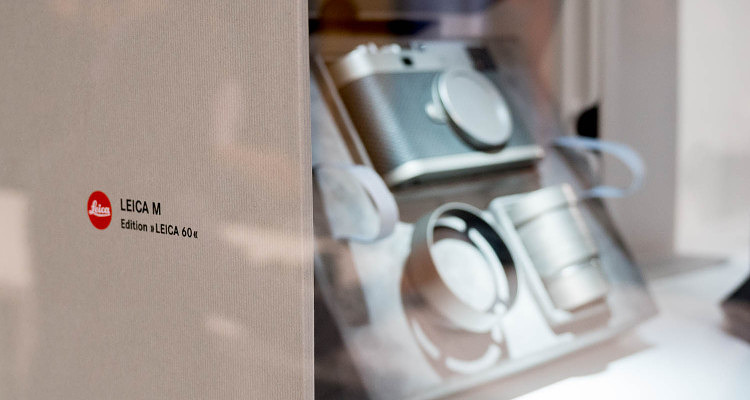
I arrived at the Koelmesse this morning, headed up the familiar steps of the South Entrance and made my way to Leica’s huge booth, again occupying the entirety of Hall 1.The place is enormous with areas for each s […]
-
Great write-up David!! And the questions/answers also.
David, the part I find fascinating is the simplification of cameras comment, and the reason I love my M9. Could you ask if there is any push for simplification in the successor to the M240? Perhaps , my question is more request, so I am going to jump in with both feet. As features are added the complexity increases quickly, the M240 is feature rich and the complexity also followed. If anyone can simplify it is Leica, my frustration is the button pushing for playback with evf/screen firstly and the menu system secondly. A simplification could go something like this, attach the camera to a computer, allow choices of menu items visible/hidden. If I don't use a menu item I could then hide it and never have to deal with it, thus simplifying. Of course simplifying initially adds complexity by creating one more process but the field shooting would be simplified by less menu choices. I am sure Leica could come up with a better solution, perhaps in a firmware update?-
Daryl, this is an interesting idea. I'm happy to mention it tomorrow.
-
-
David,
Always nice to read your comments on this every two year show. No one else seems to capture the feelings, as well as the insight. The metal shades on the new lenses is most welcome, but I am having a difficult time understanding how the lens cap can fit over both the lens and the shade. I must be missing something? -
The great cub reporter is at it again!
Your screed is a pleasure to read and I look forward to your upcoming report on the Leica S (typ 007).
Albert-
Thanks Albert. Working on it now. So much information! I spent about two hours with the product managers earlier today.
-
-
David, thank you for the show report. Lots of stuff to cover. On a side note, which camera did you use for the photos of the event?
-
I'm guessing X Vario Mark 😉
-
Peter is correct. I used the X Vario (Typ 107) for almost all of the images in the article except for a few really close-up shots where I used the D-Lux 6.
I'm pretty sure that the event images were all taken at ISO 1600.
Nice little camera, that X Vario….
-
-
David…thanks for the well written and informative report. Enjoyed reading it and look forward to the next chapter.
-
Excellent write-up David!
Perhaps the new MM will be like the M 60, without the LCD.
And certainly agree with Mr. Jesko von Oeynhausen comment and I quote
“From a quality perspective, there is no need for improvement”.
-
- Load More



Nico,
For now, on the pre-production samples at the show, yes. There is the same 125 second limit. I specifically asked both product managers, as well as Dr. Volker Zimmer, head of R&D, if the exposure time could be longer. They absolutely want to offer longer exposures, but refuse to sacrifice any degradation in image quality. The repeated mantra at Leica, from everyone, is that delivering the highest quality level is the number one priority. Features will only be added if they meet internal criteria. So, the short answer is that, yes, hopefully we will see longer exposures by launch time, but Leica will not officially promise this.
Hope this helps.
I went to the Phase One IQ260 from the S because of the lack of long exposure times. If they could do 5 minutes then I would likely go back the the S. One of the things I hate about Phase One is that you must use their software when doing long exposure as LR will not handle the dark frame subtraction with their file format. I'll be interested to see what they do with the final release.
David-
What a series of improvements!
The Leica express continues to roll unimpeded through photoland!
I was gratified to hear about the hyperfocal solution and my question relates to the accuracy of using the infinity measure. Puts and others state that the bars on the M lenses as well as other camera lenses are not as accurate for digital as they were intended for the more forgiving analog. Has Leica tested and validated these measurements in the field….
Albert
Scott,
My understanding is that the live DOF readout will not be able to be added via firmware to the S 006 and will only be available on the new S 007. Of course, Leica was able to incorporate the new AF algorithms into the S 006 with the latest firmware, so there might be a way. We will have to see.