
Today, Leica has announced the new SL3-P, the latest addition to the SL-System. Pairing a newly developed 44MP full-frame BSI CMOS sensor with Leica’s fastest autofocus system yet, the SL3-P offers continuous shooting up to 40 frames per second with full AF tracking, an exceptionally fast sensor readout with minimal rolling shutter, and significantly expanded video capabilities, including 8K Open Gate and 4K/120p recording. The result is a camera designed to deliver an exceptional balance of image quality, speed, and versatility.
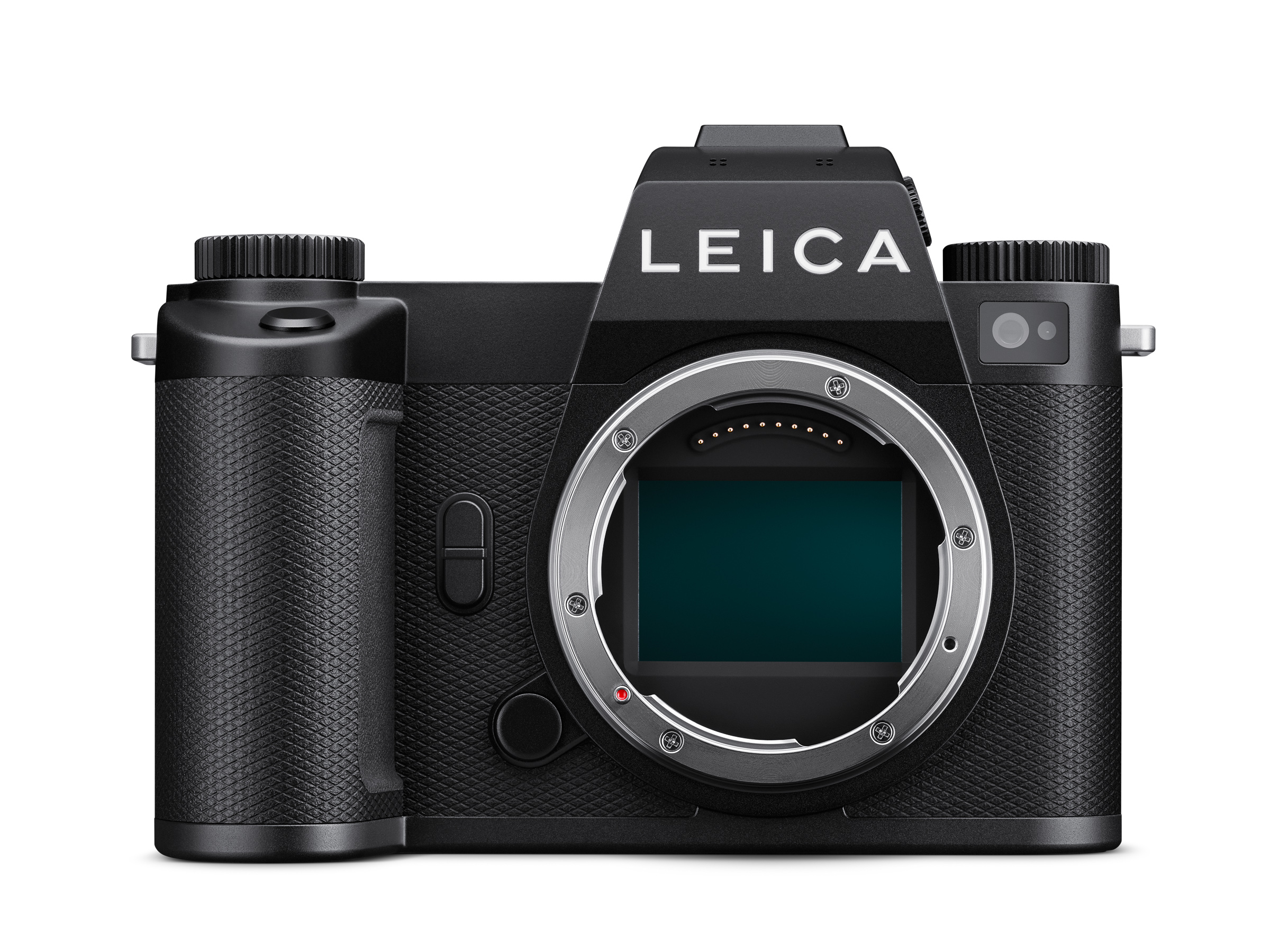
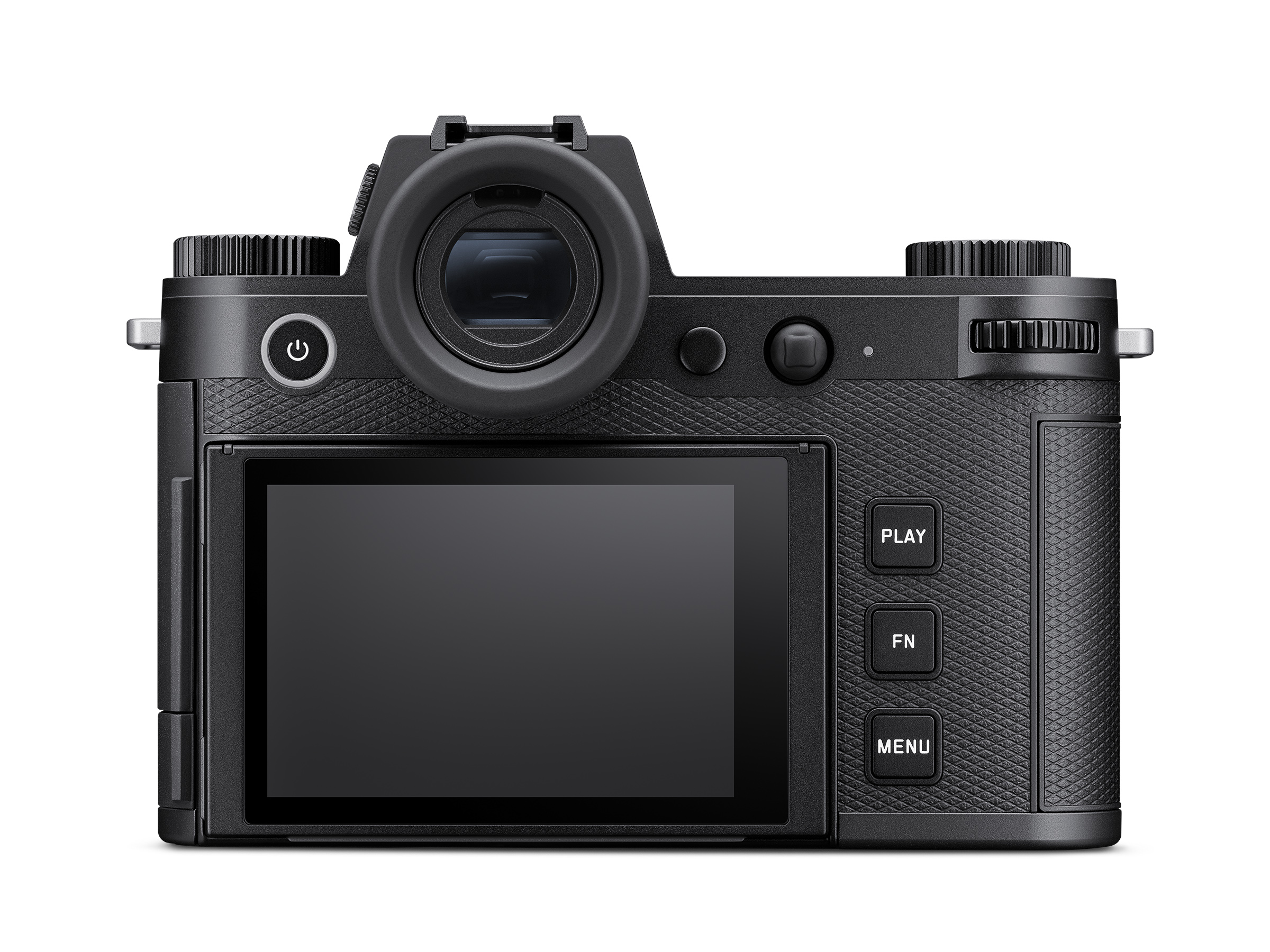
Prior to today’s release, photographers could choose the SL3 with its 60MP sensor and class-leading image quality, or the 24MP SL3-S for faster shooting, improved autofocus tracking, and expanded video capabilities. Each camera excels in its intended role, but Leica consistently heard requests for either more speed from the SL3 or more resolution from the SL3-S. With the SL3-P, they’ve delivered both.
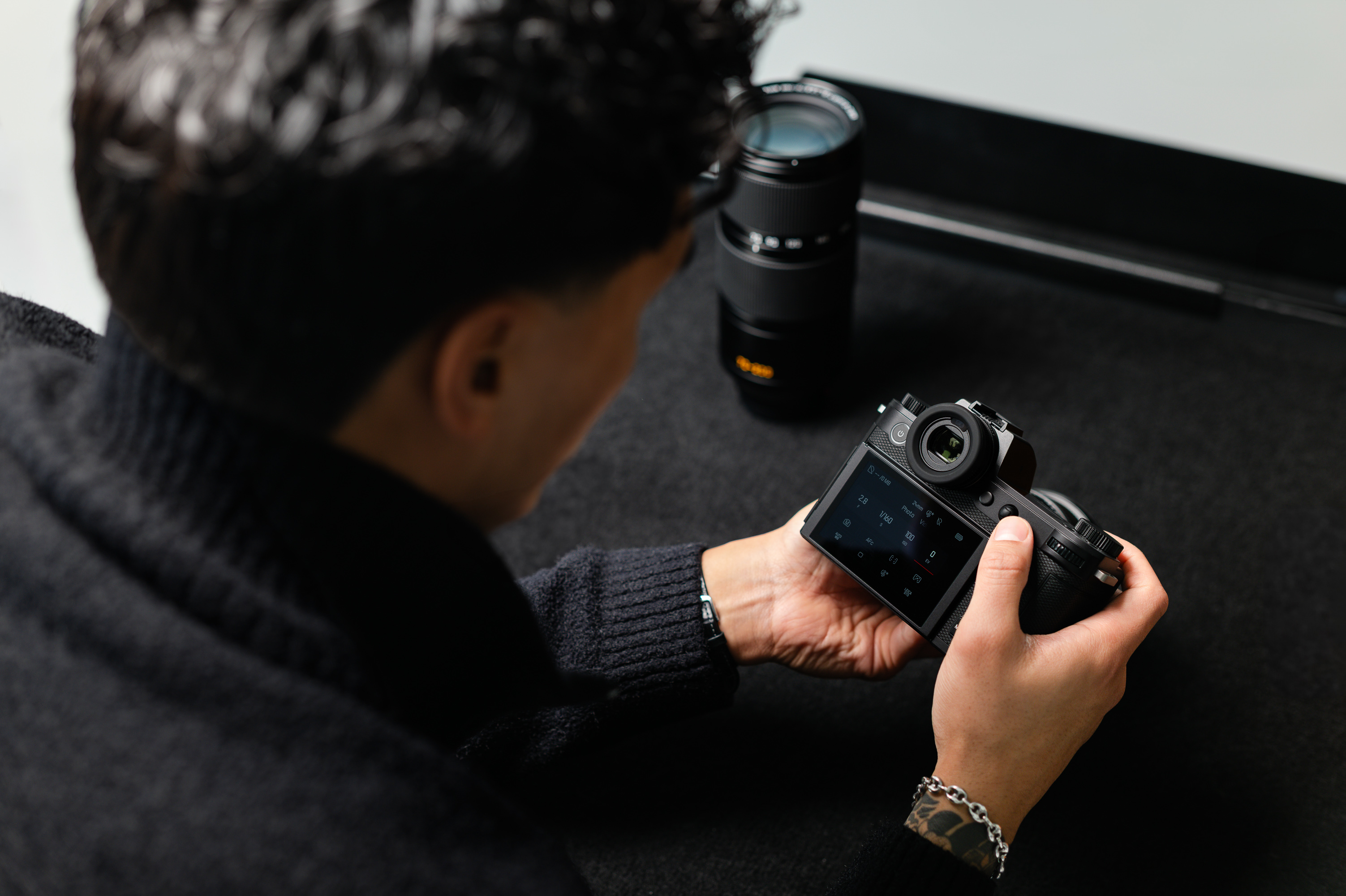
The SL3-P builds on the speed and autofocus performance of the SL3-S while introducing a new 44MP sensor that strikes a balance between maximum resolution and rapid performance. Its hybrid autofocus system combines the speed of phase detection, the precision of contrast detection, and the intelligence of machine learning-based subject recognition, increasing the number of on-sensor autofocus points to 819. At the same time, the new sensor delivers a readout speed more than 150% faster than the SL3-S, dramatically reducing rolling shutter while enabling autofocus tracking at the camera’s full 40 fps burst rate. The result is a camera that feels remarkably fast and confident across an incredibly wide range of shooting situations.
A New 44MP Full-Frame Sensor
At the heart of the SL3-P is a newly developed 44MP backside-illuminated CMOS sensor. The resolution sits directly between the 60MP SL3 and the 24MP SL3-S, striking a balance between image detail, workflow efficiency, and speed. For SL3-S users, the jump to 44MP represents an 83% increase in resolution, offering substantially more cropping flexibility and detail. For SL3 photographers, stepping down from 60MP to 44MP is a much smaller compromise, allowing them to take advantage of the camera’s dramatically faster performance while retaining much of the image quality they’ve come to expect.
The sensor delivers up to 14 stops of dynamic range and offers an ISO range from 50 to 200,000. For applications requiring the highest possible resolution, Leica’s in-camera Multishot mode can capture images up to 176MP, even handheld. The result is a camera capable of tackling everything from commercial and landscape photography to sports, wildlife, and event coverage.
Equally important for video or high-speed electronic shutter use, the new sensor's much faster readout speed means minimal rolling shutter during camera movements or for rapidly moving subjects. This also results in quicker feedback for the autofocus system.
Leica’s Most Advanced Autofocus System Yet
One of the most significant advancements in the SL3-P is its new hybrid autofocus system. Leica combines phase detection autofocus, contrast detection autofocus, and depth mapping technology with advanced machine-learning subject recognition to create the most sophisticated autofocus platform offered to date.
The system features 819 autofocus points and can recognize and track people, animals, cars, and vehicle components. Continuous shooting is available at up to 40 frames per second with autofocus support, making the SL3-P the fastest camera in Leica’s current lineup. For photographers who have long wanted an SL camera capable of confidently handling fast-moving subjects, the SL3-P represents a significant step forward.
Refined P-Series Design
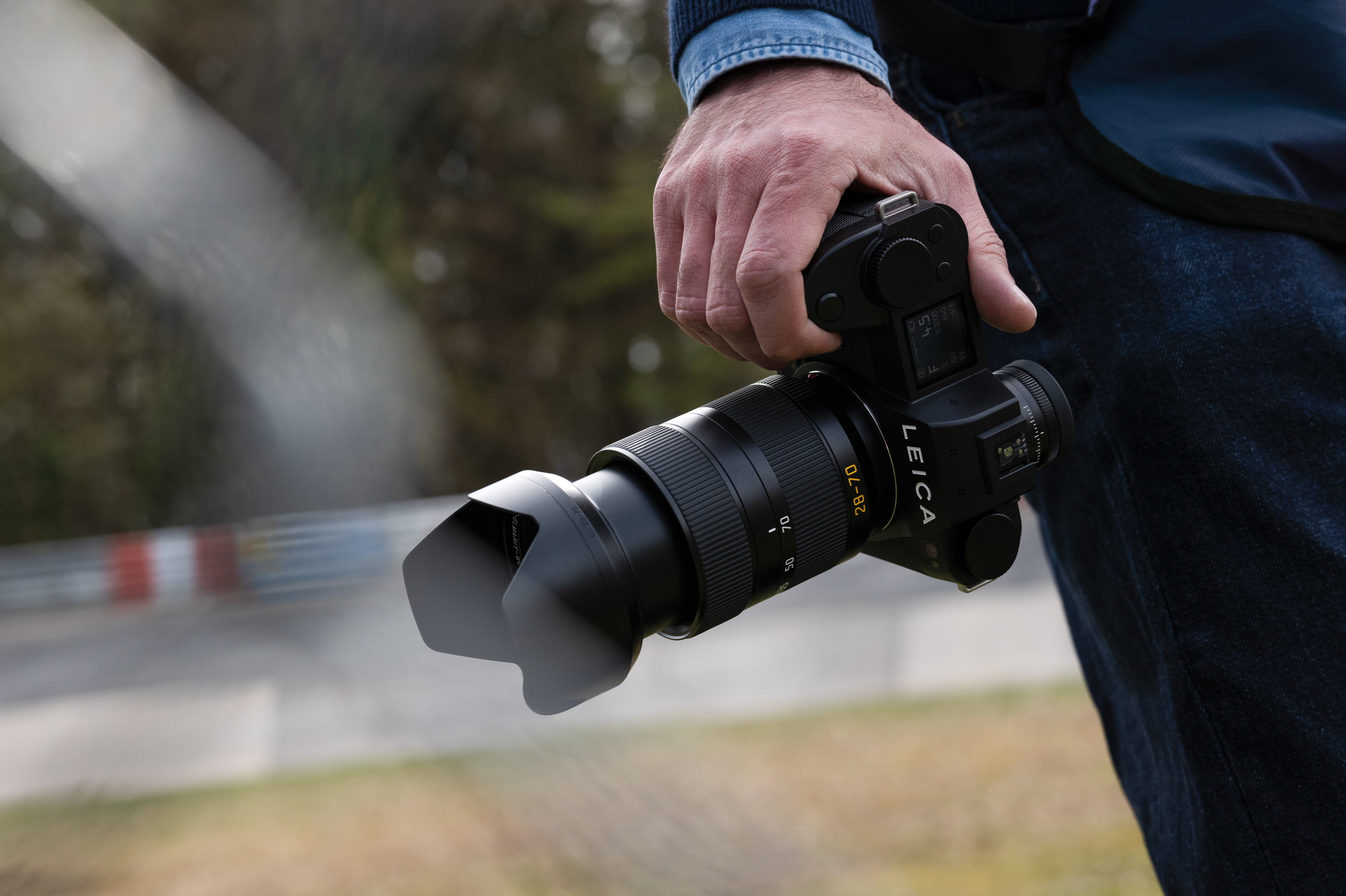
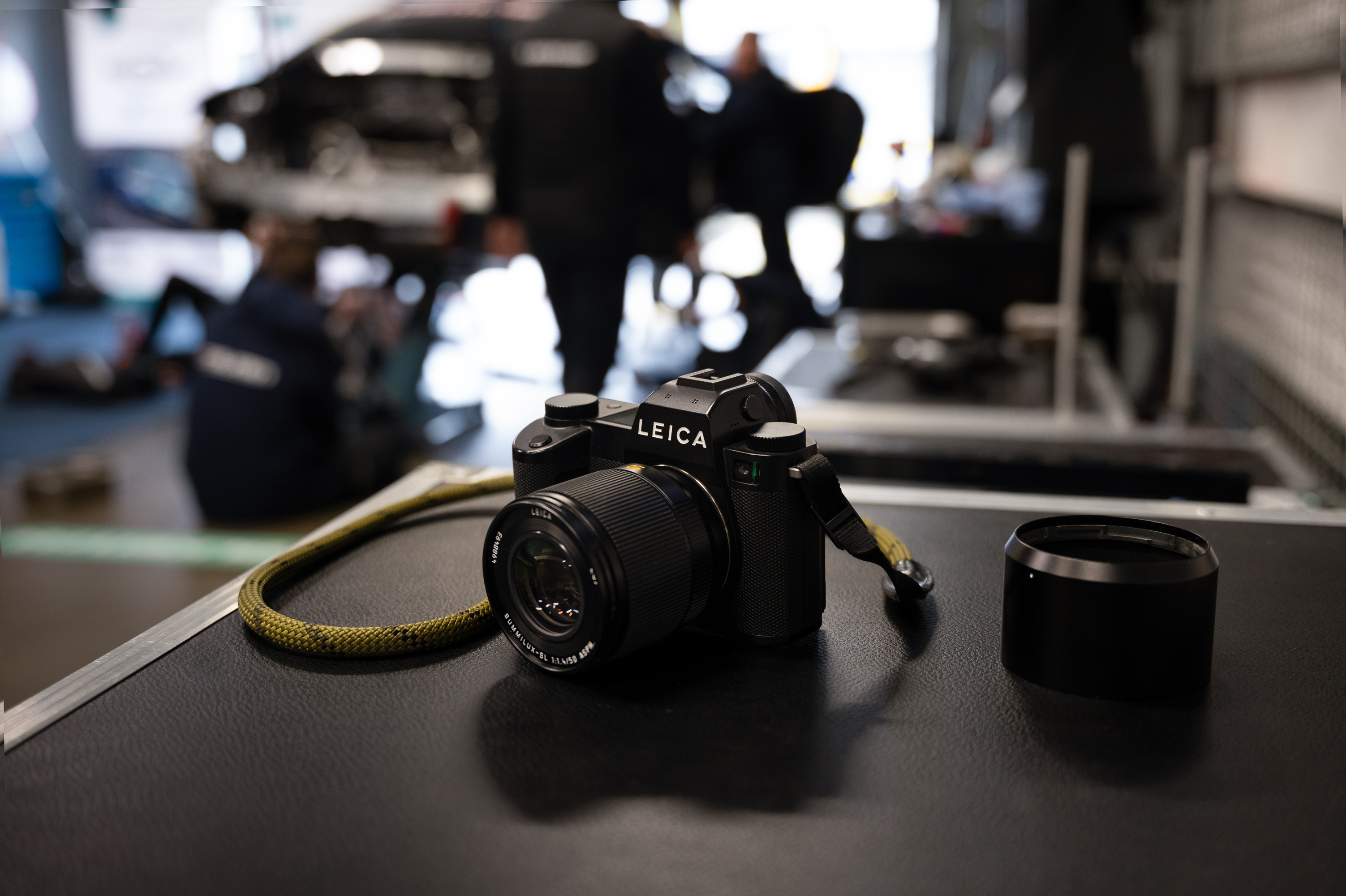
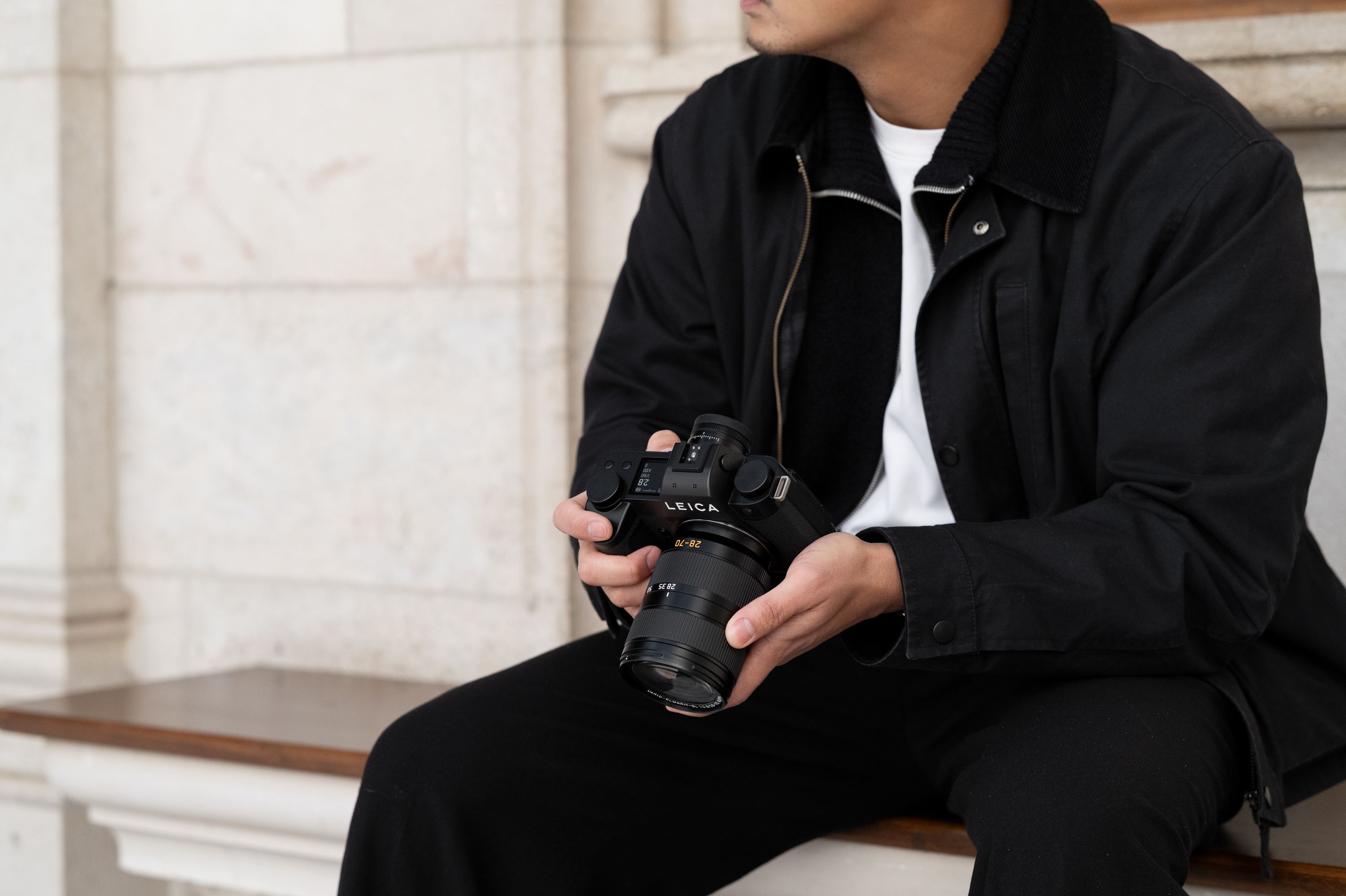
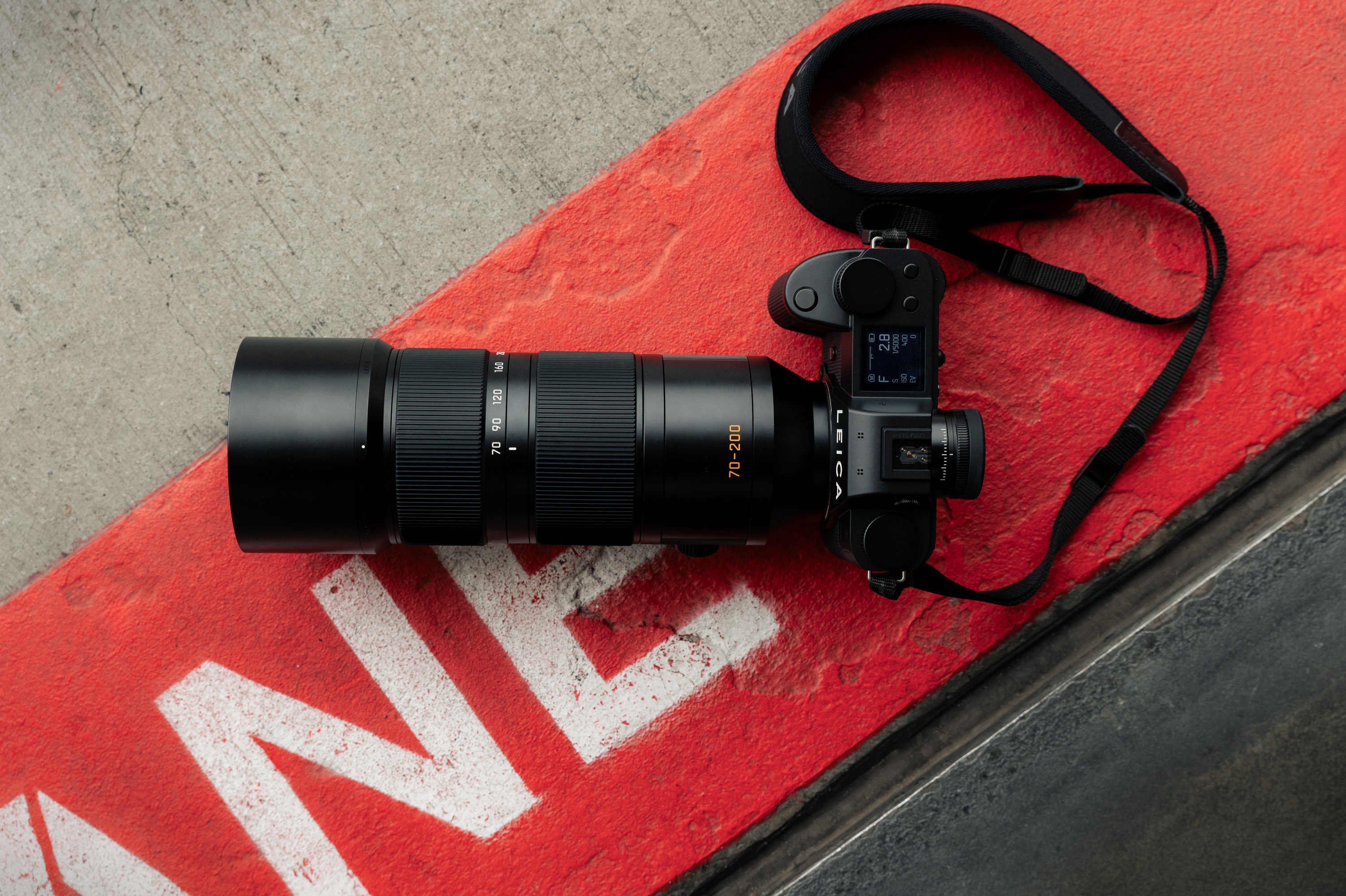
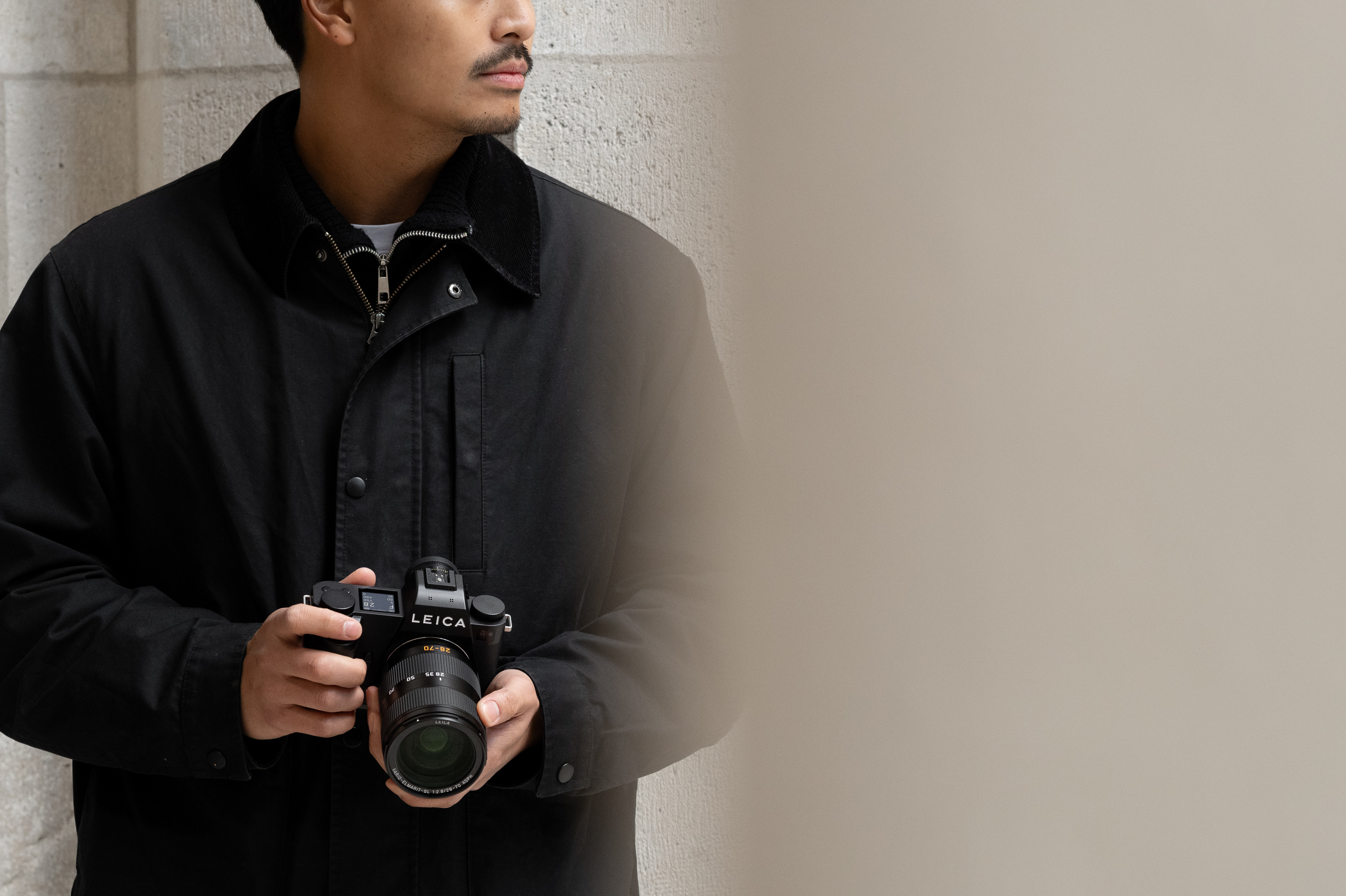
Like previous P-series cameras, the SL3-P adopts a more understated appearance. The iconic red Leica dot has been omitted in favor of a cleaner, more discreet design. Black buttons and controls further emphasize the minimalist aesthetic, although the bold white engraved LEICA name still graces the front of the viewfinder, rather than the black on black of the SL3-S. We're sure some will opt to take matters into their own hands but for us, the look is clean, understated and all business.
The camera retains the premium made-in-Germany construction we've come to expect from the SL3 family, with full-metal body, IP54-rated weather sealing, and tank-like build. The SL3-P remains unmistakably Leica in both design and operation.
Expanded Professional Video Capabilities
Building on the strong video foundation of the SL3-S, the SL3-P significantly expands Leica’s hybrid video platform with additional recording formats, higher resolutions, faster frame rates, and greater workflow flexibility.
The camera can record using the full sensor in 8K Open Gate (3:2), allowing filmmakers to capture maximum resolution for reframing into multiple aspect ratios during post production. For those wanting open gate but without the full size of 8K, the camera also offers 7.2K OG and 6.4K OG. Traditonal 17:9 and 16:9 recording options of C8K, 8K, C6K, C4K, UHD, and Full HD recording options are aksi available, giving creators the flexibility to balance image quality, frame rate, storage requirements, and delivery format. For slow-motion capture, the SL3-P supports frame rates up to 120 fps in 4K and 60 fps in 6K, making it well suited for sports, action, and cinematic applications.
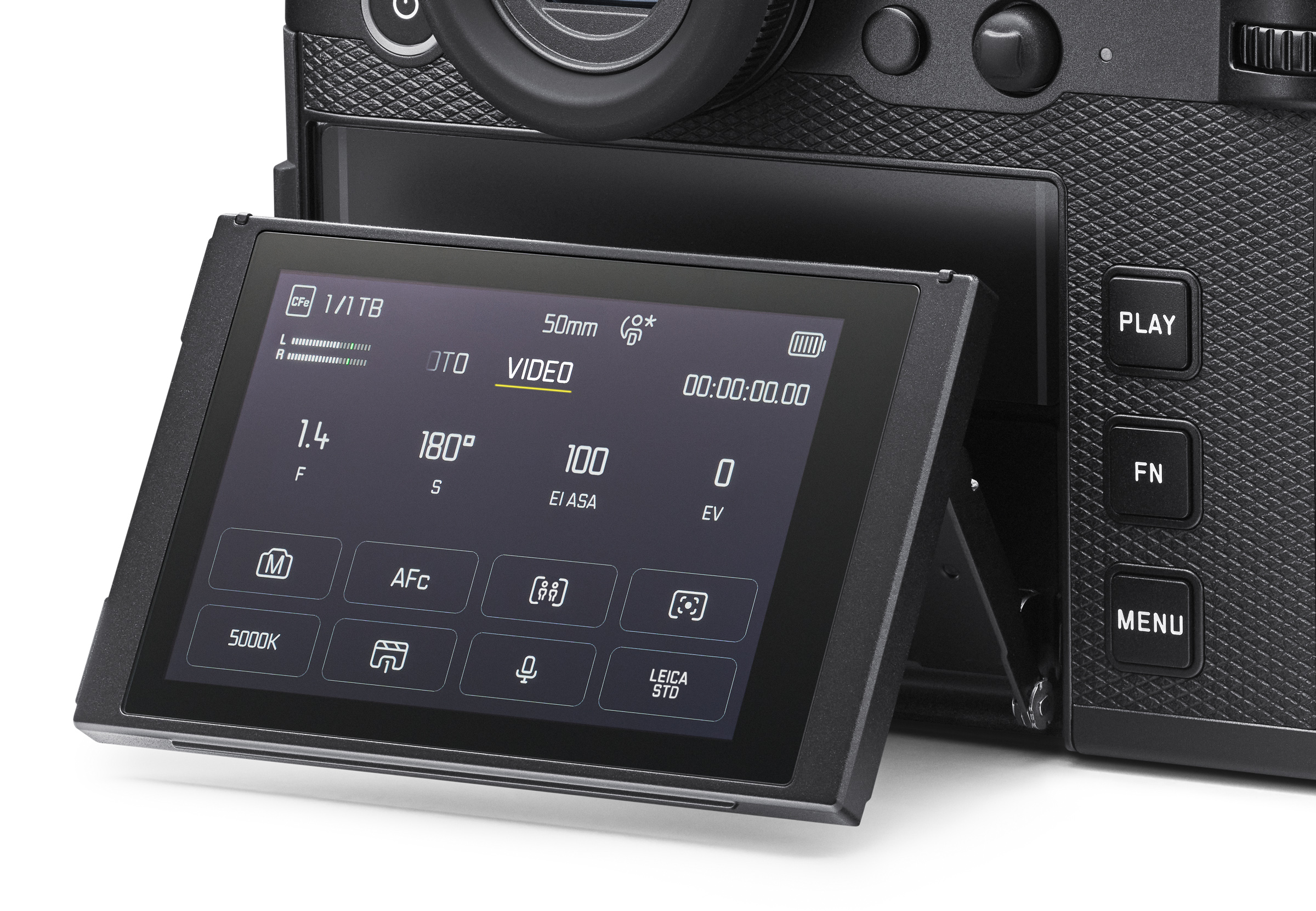
Leica has also expanded codec support considerably. The camera offers internal recording in H.264, H.265 (HEVC), and Apple ProRes, with recording available in both 8-bit and 10-bit and Log options of L-Log and HLG. For productions requiring the greatest latitude in post production, the SL3-P can output 8K Open Gate RAW over HDMI 2.1 to external recorders. Leica is also rolling out new Pure and Cine LUTs for both in-camera viewing and for post production workflows. On screen waveform and false color, hardware timecode support, and Frame.io camera-to-cloud integration add to the video feature-set.
Together, these features position the SL3-P as Leica’s most capable video-focused camera to date while maintaining its identity as a photography-first tool.
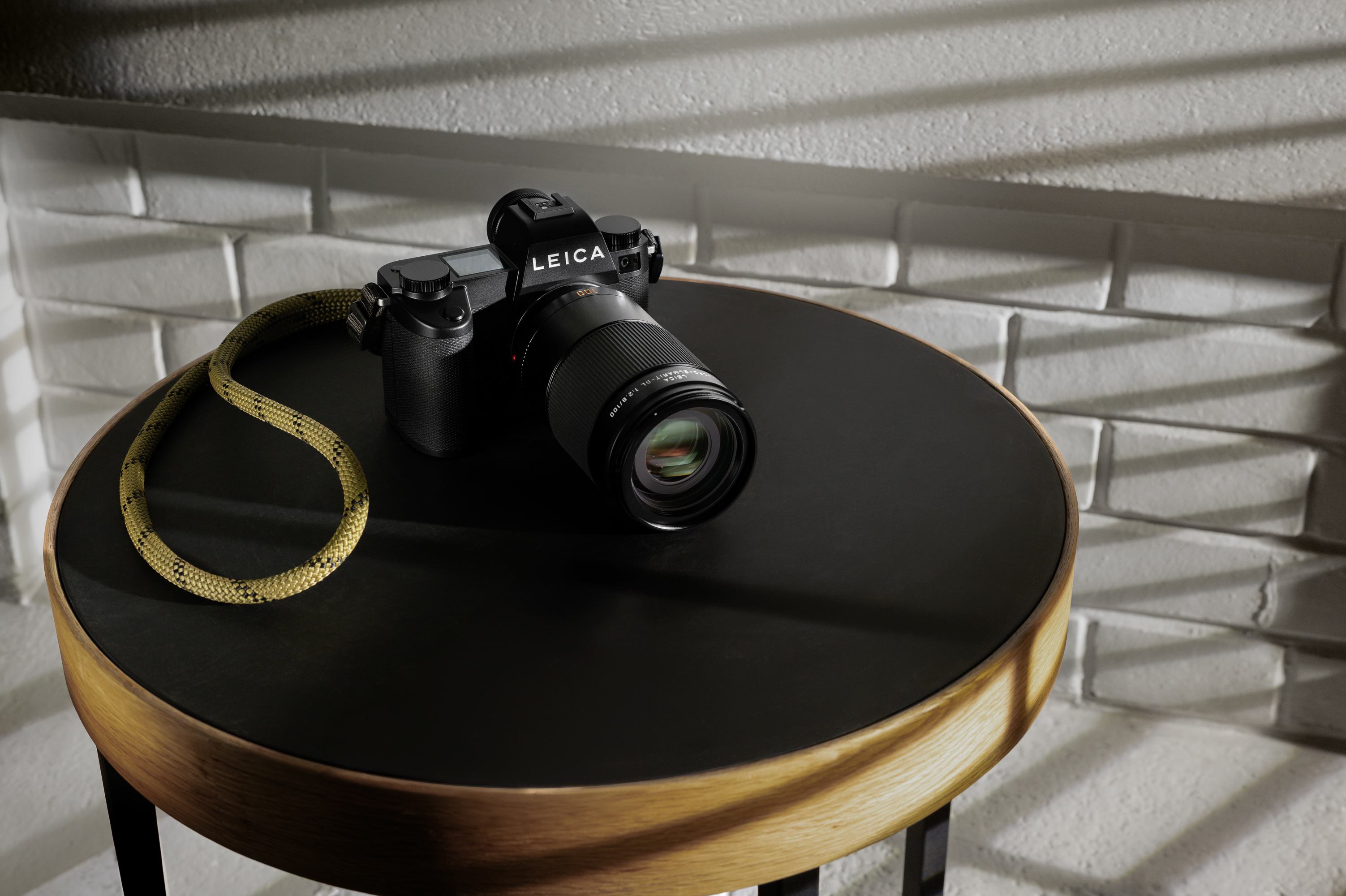
Shooting the Leica SL3-P in Germany
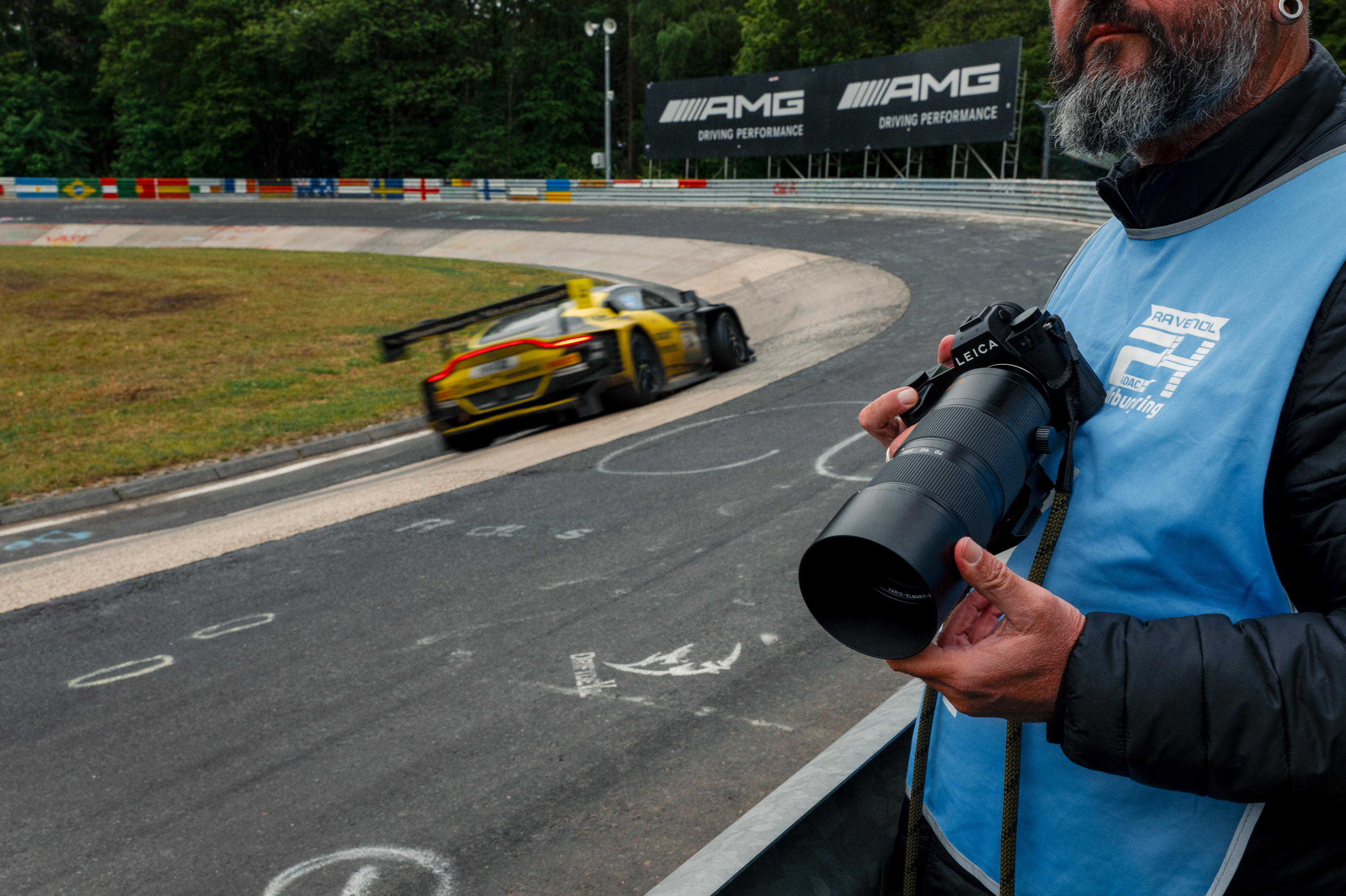
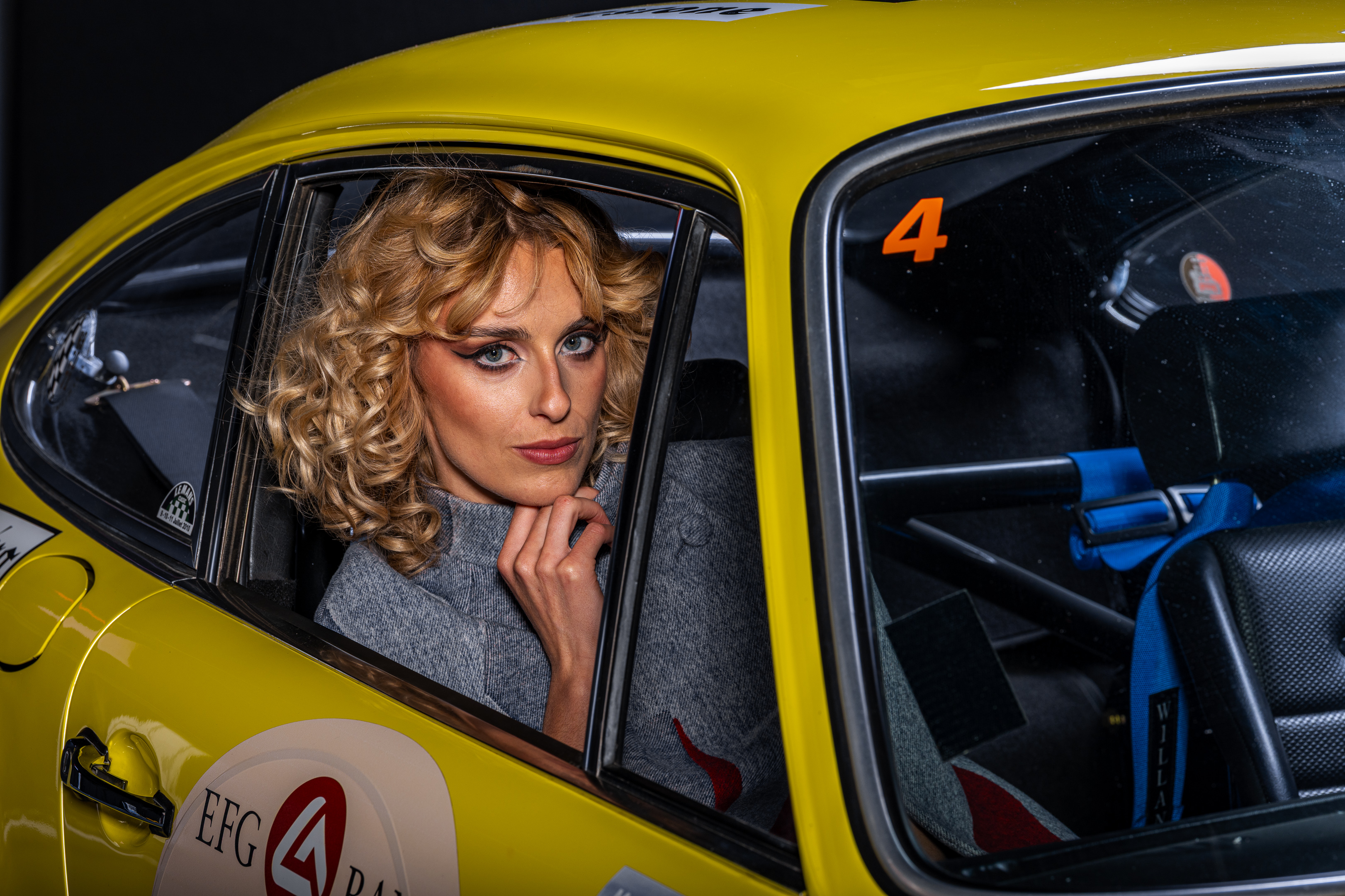
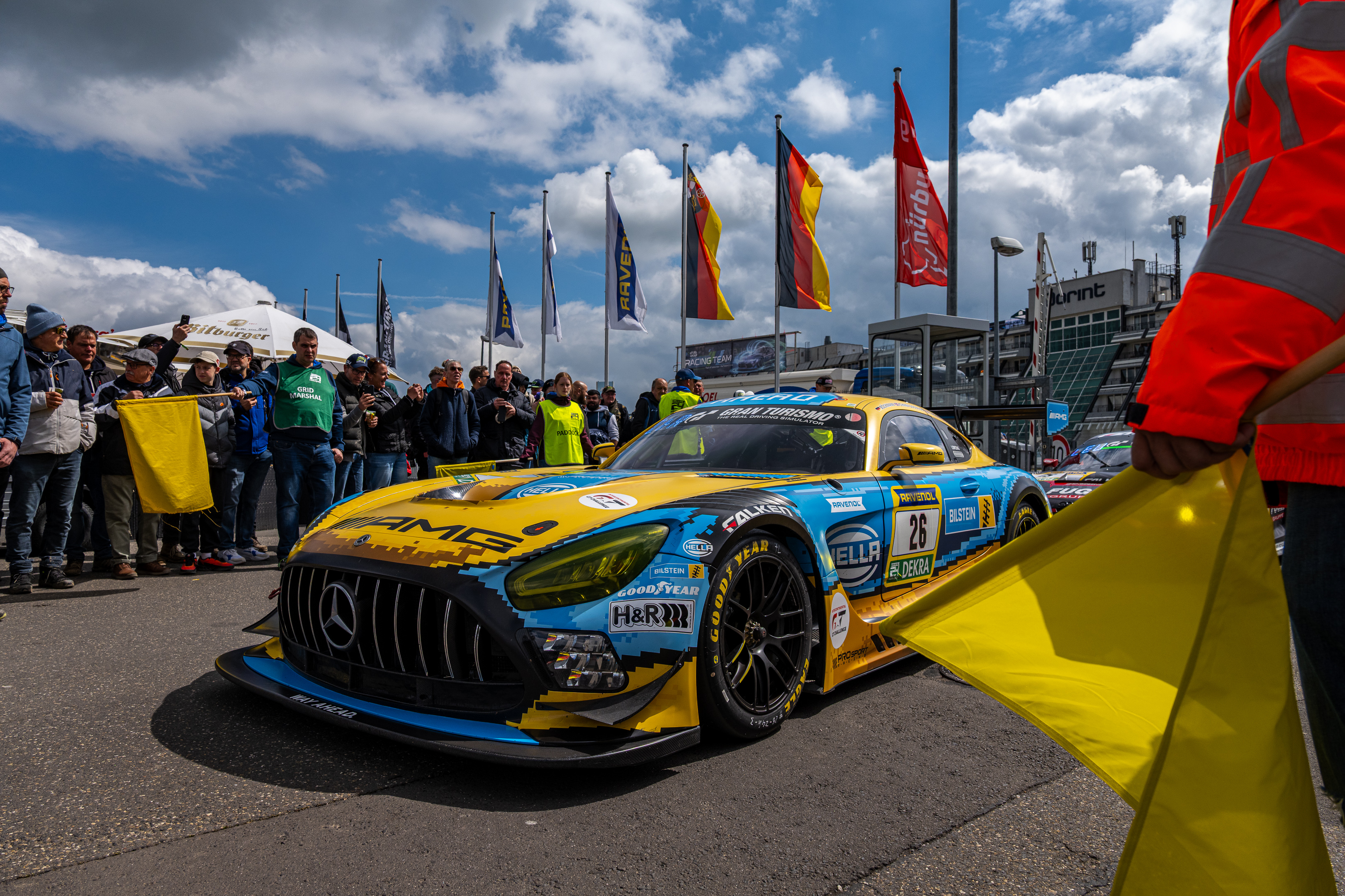
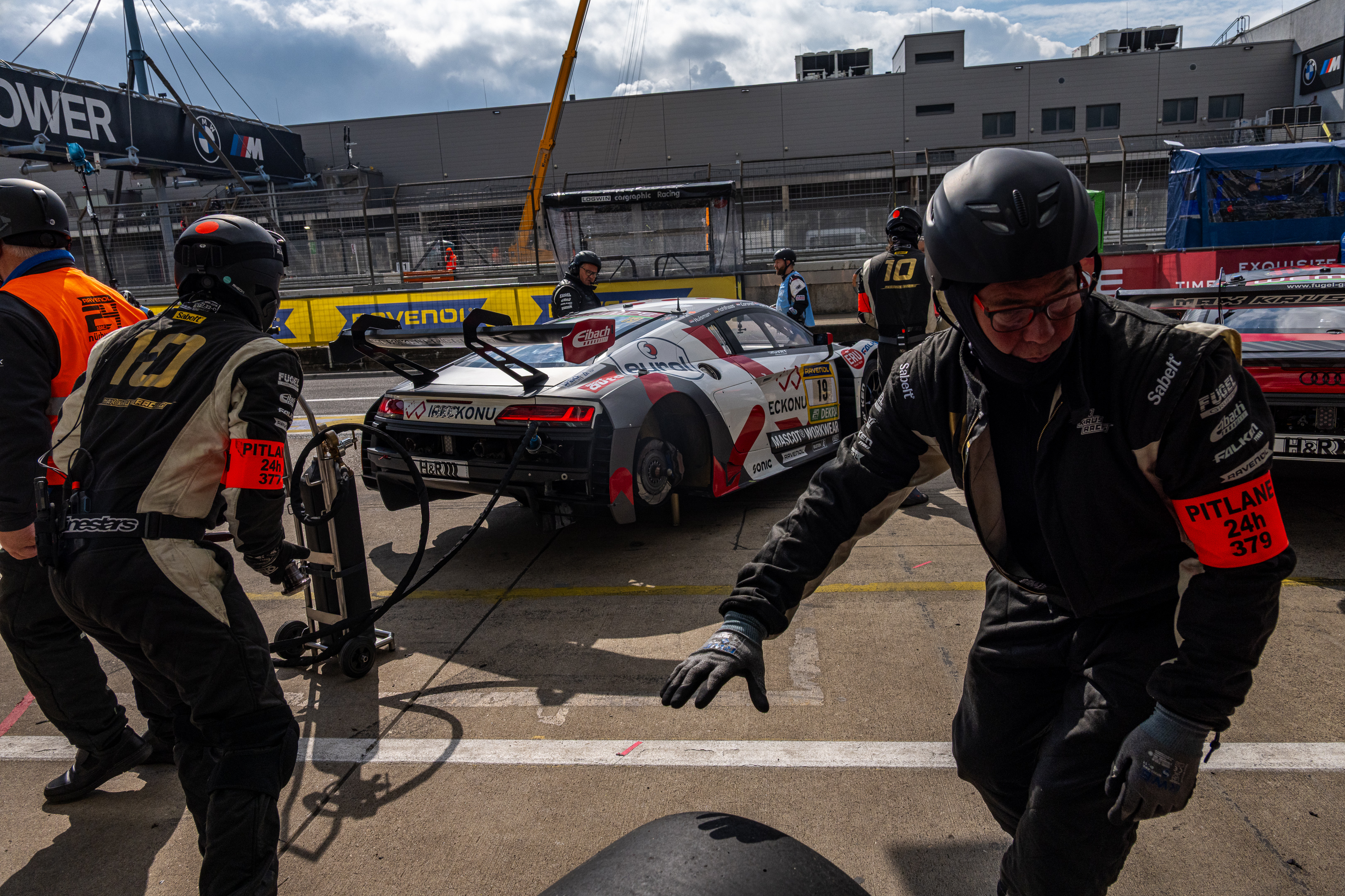
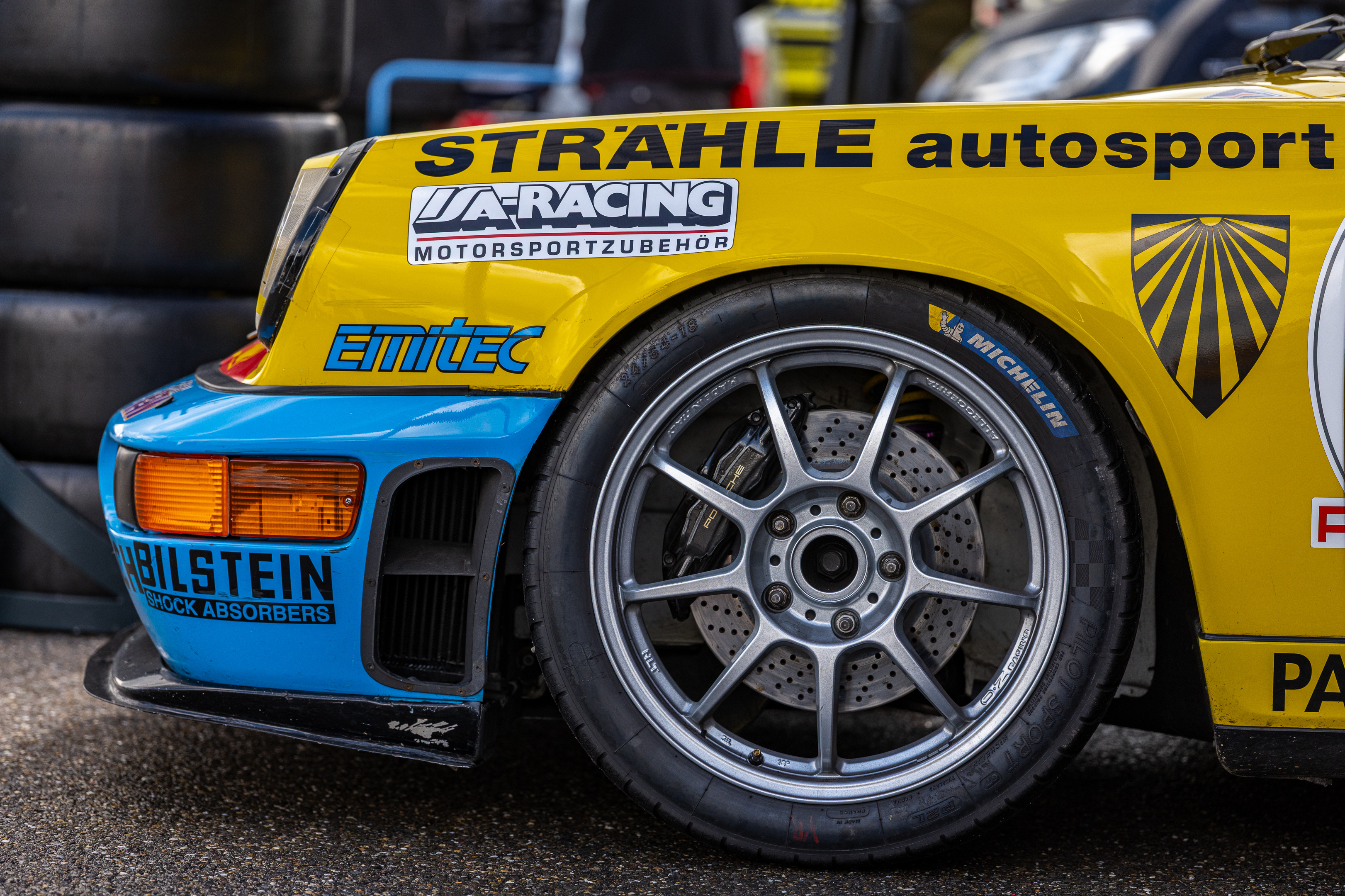
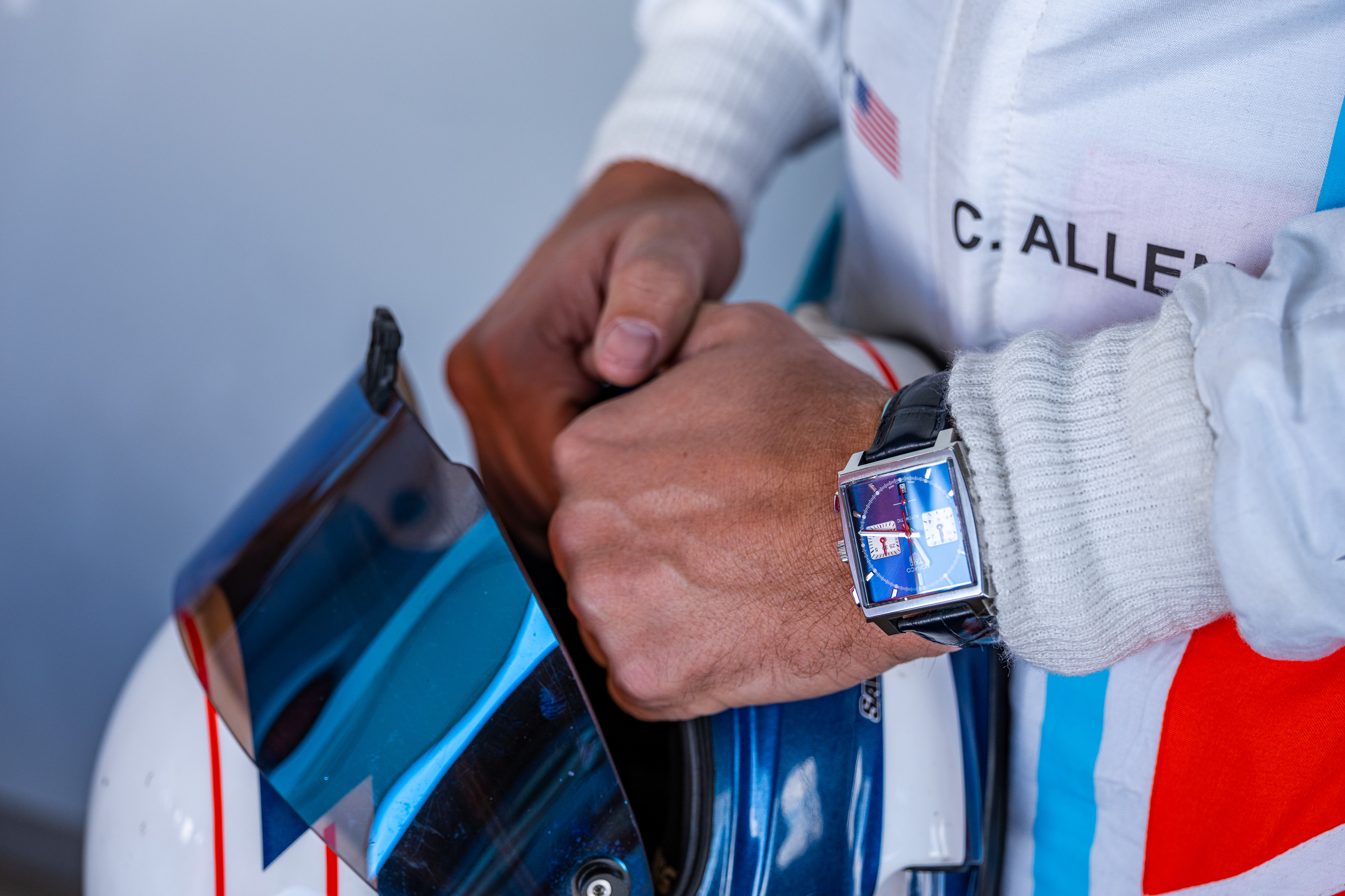
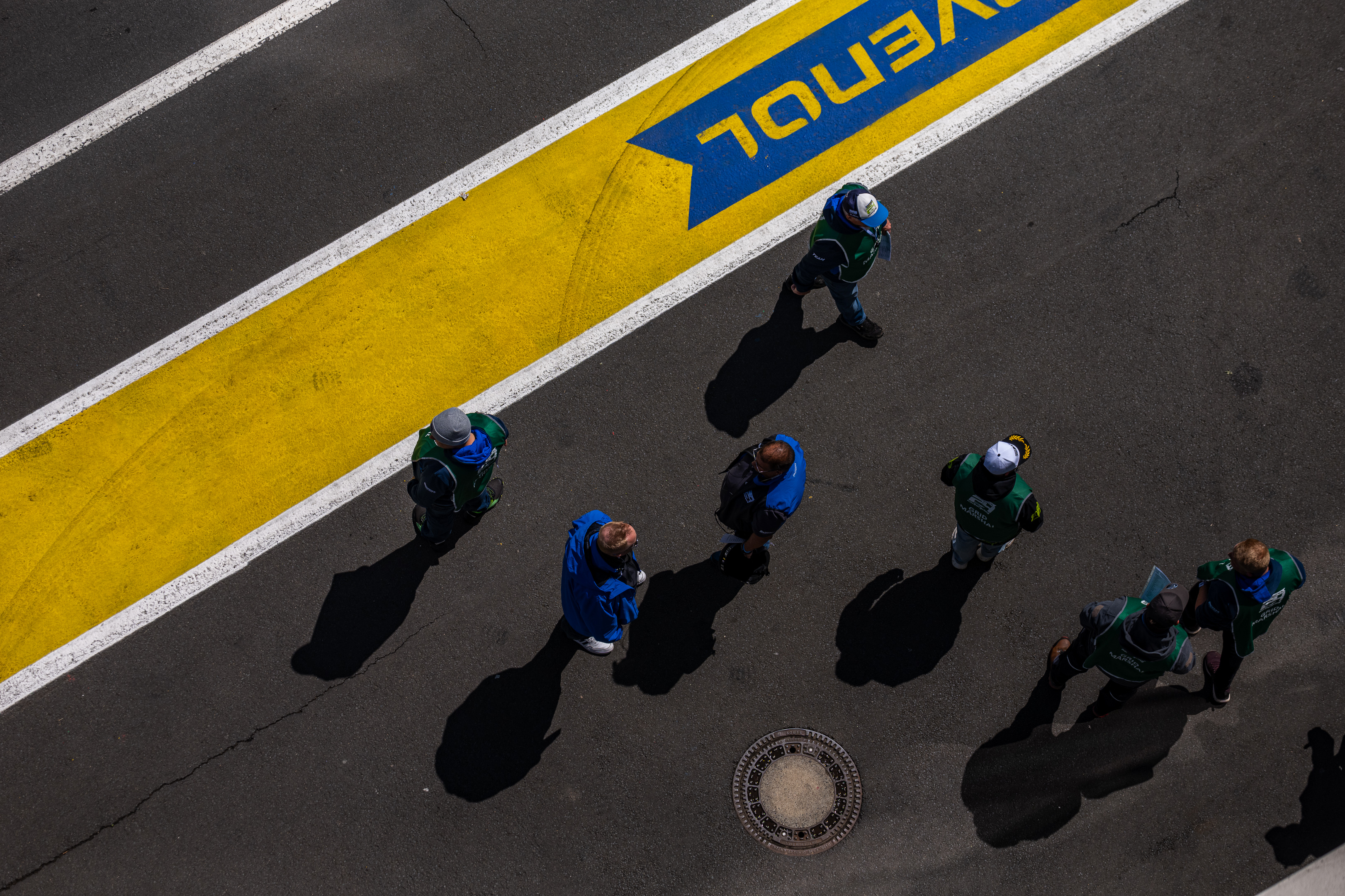
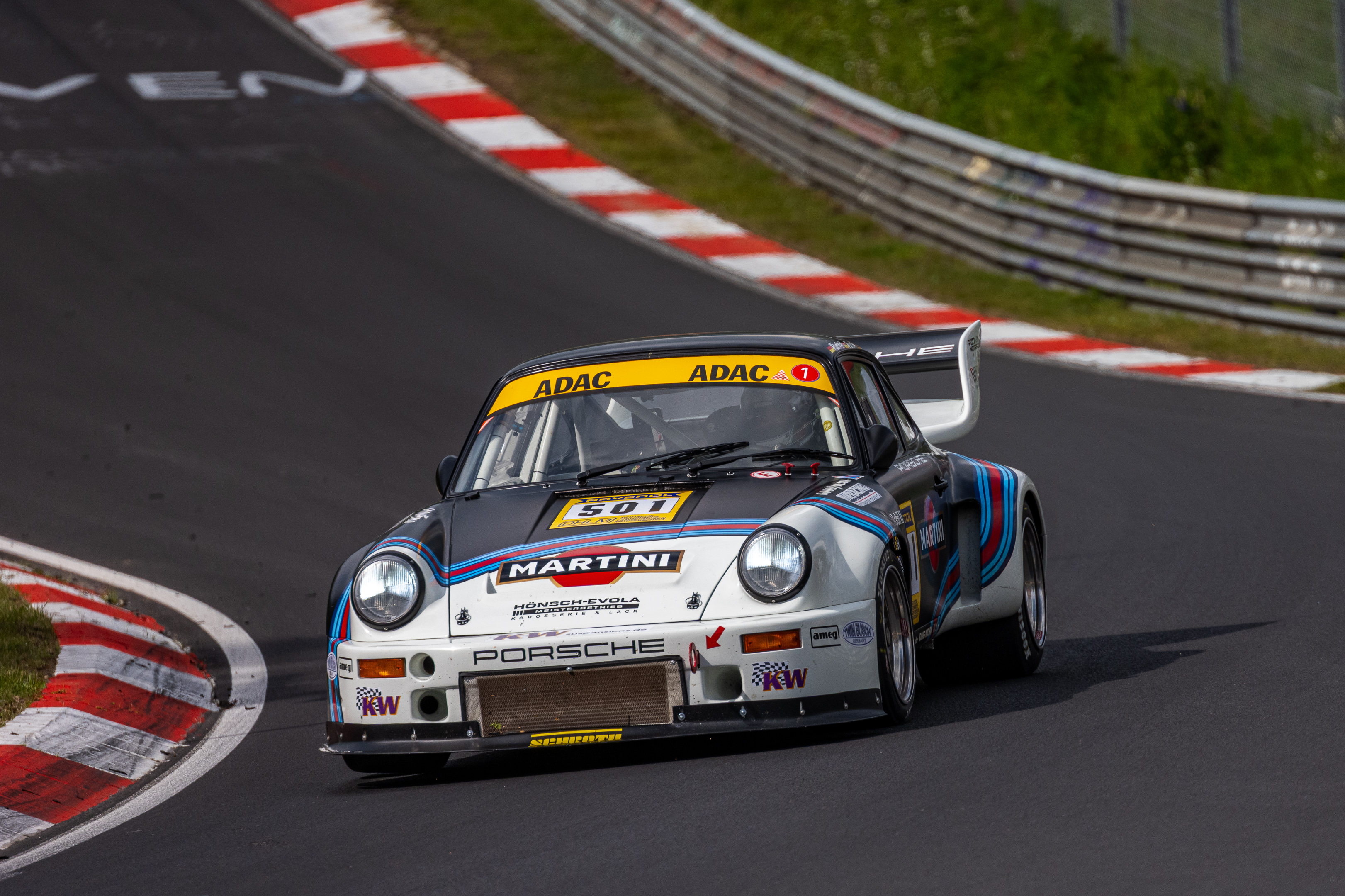
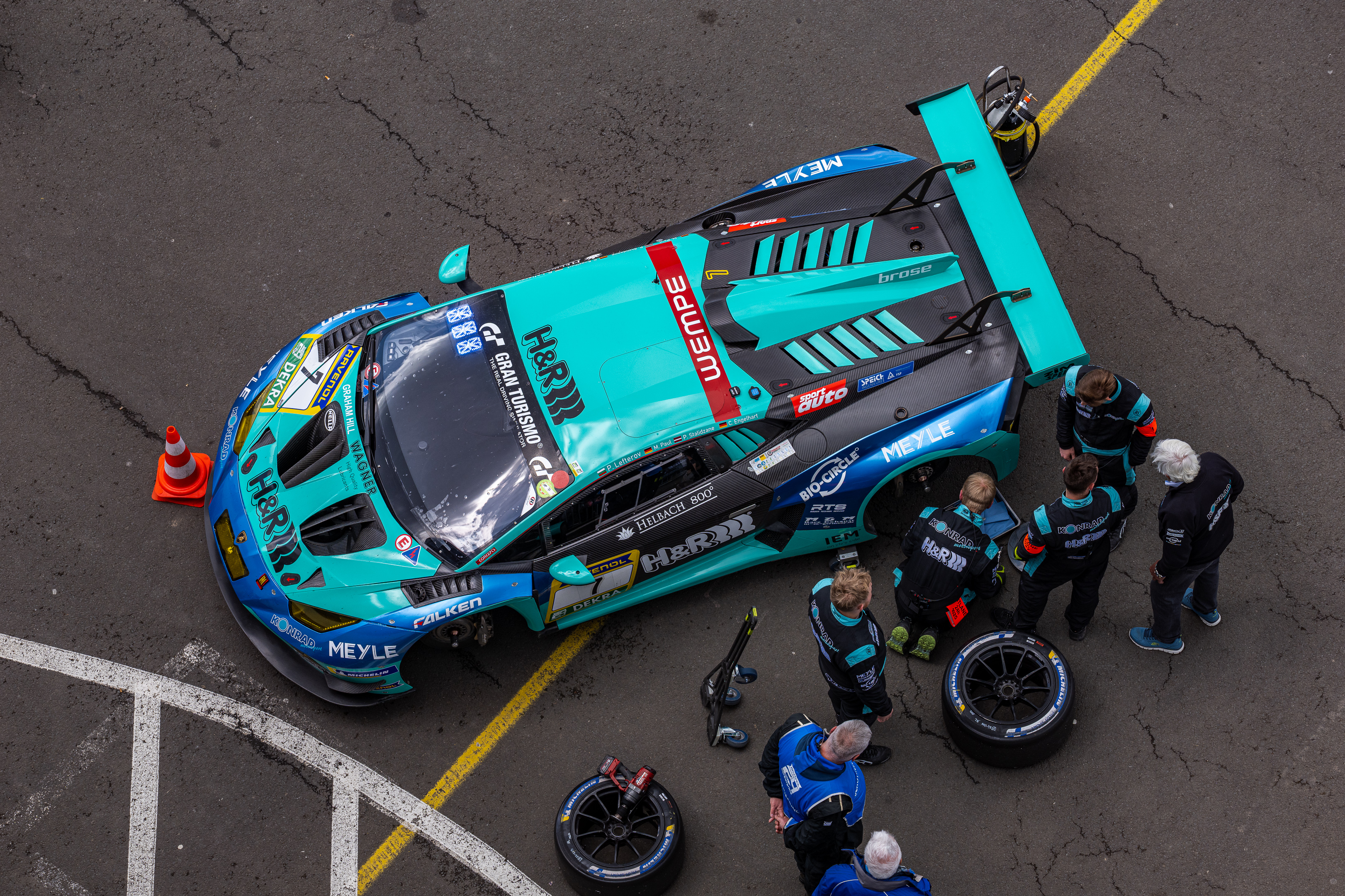
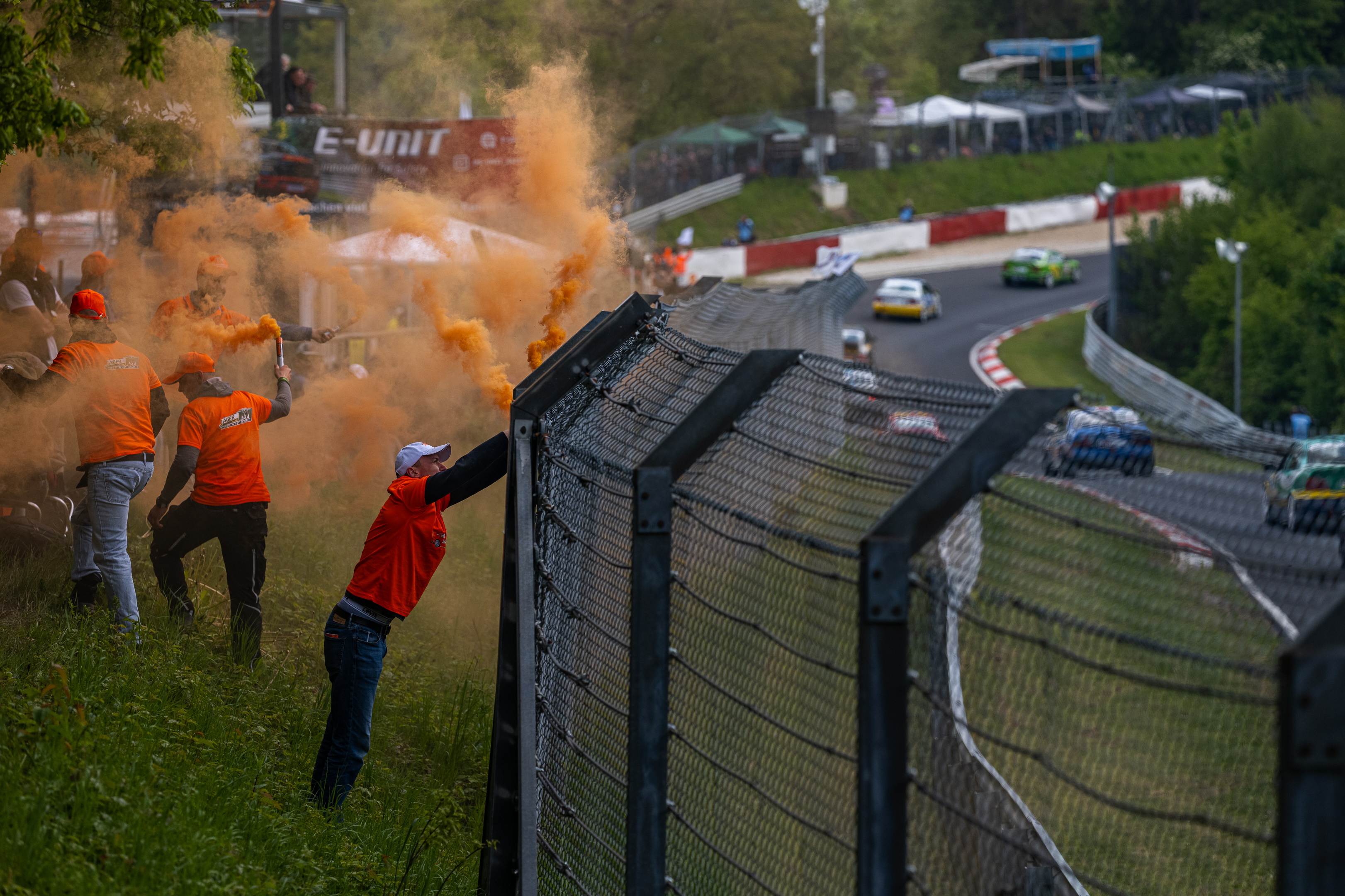
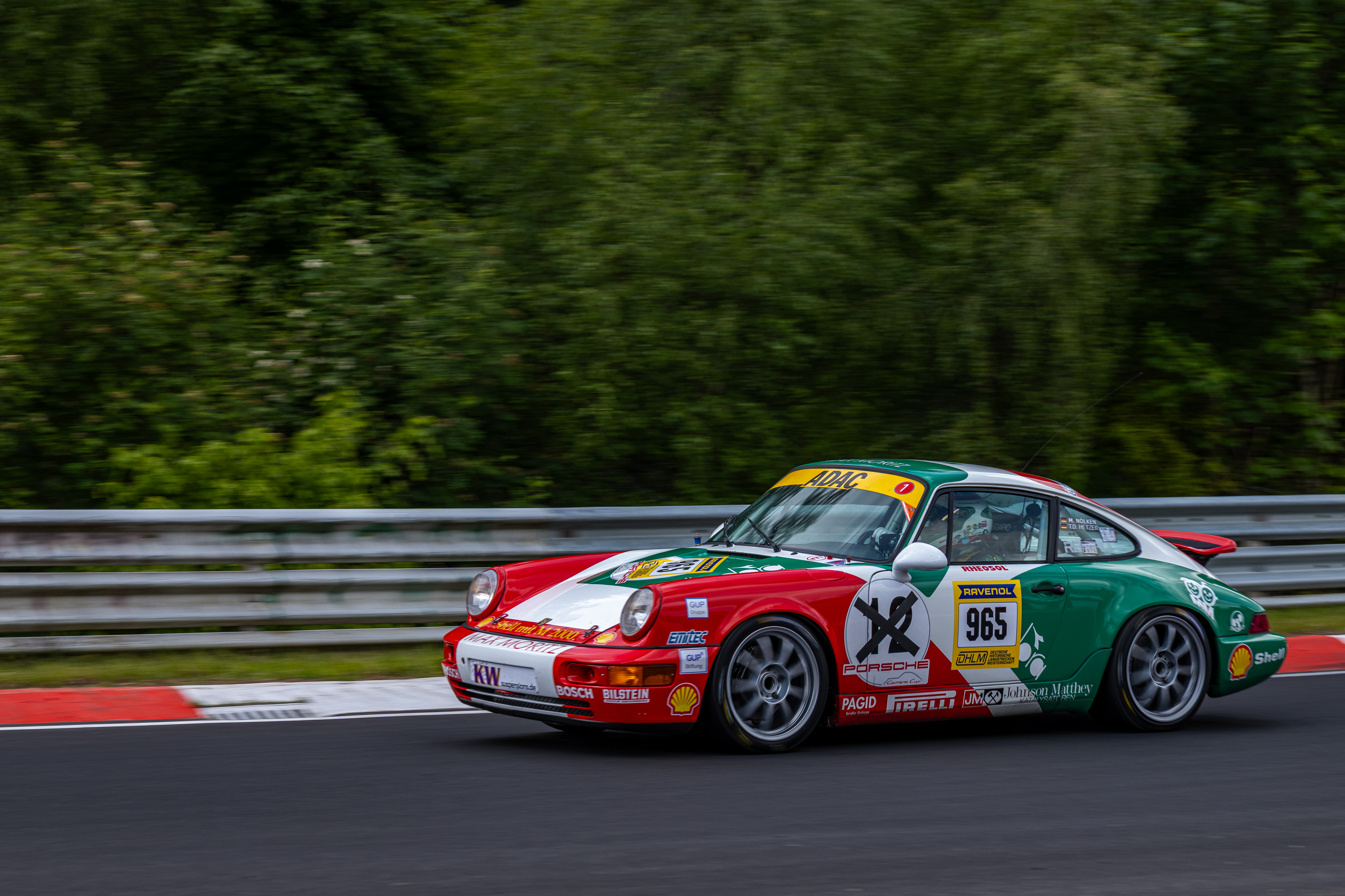
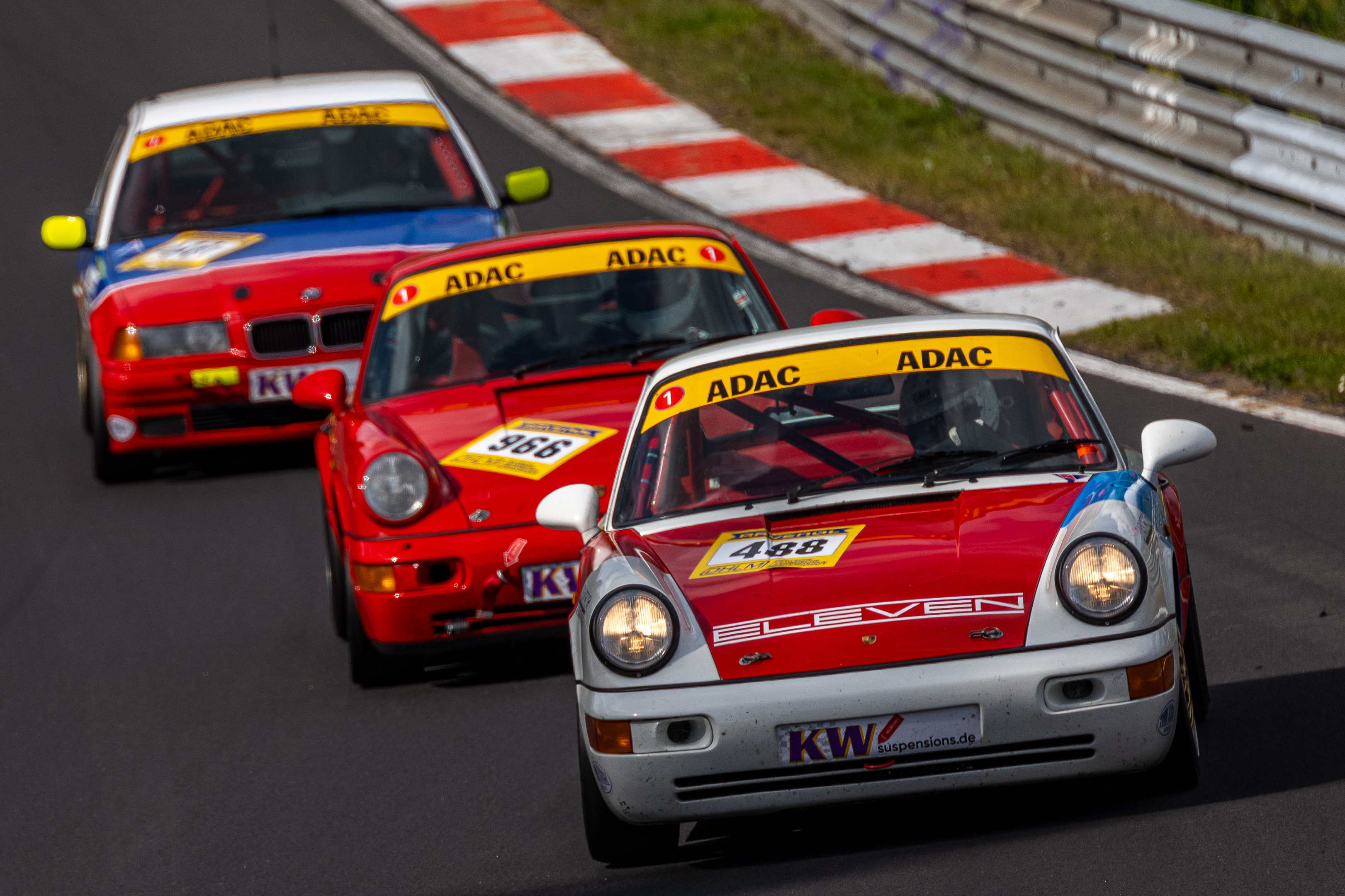
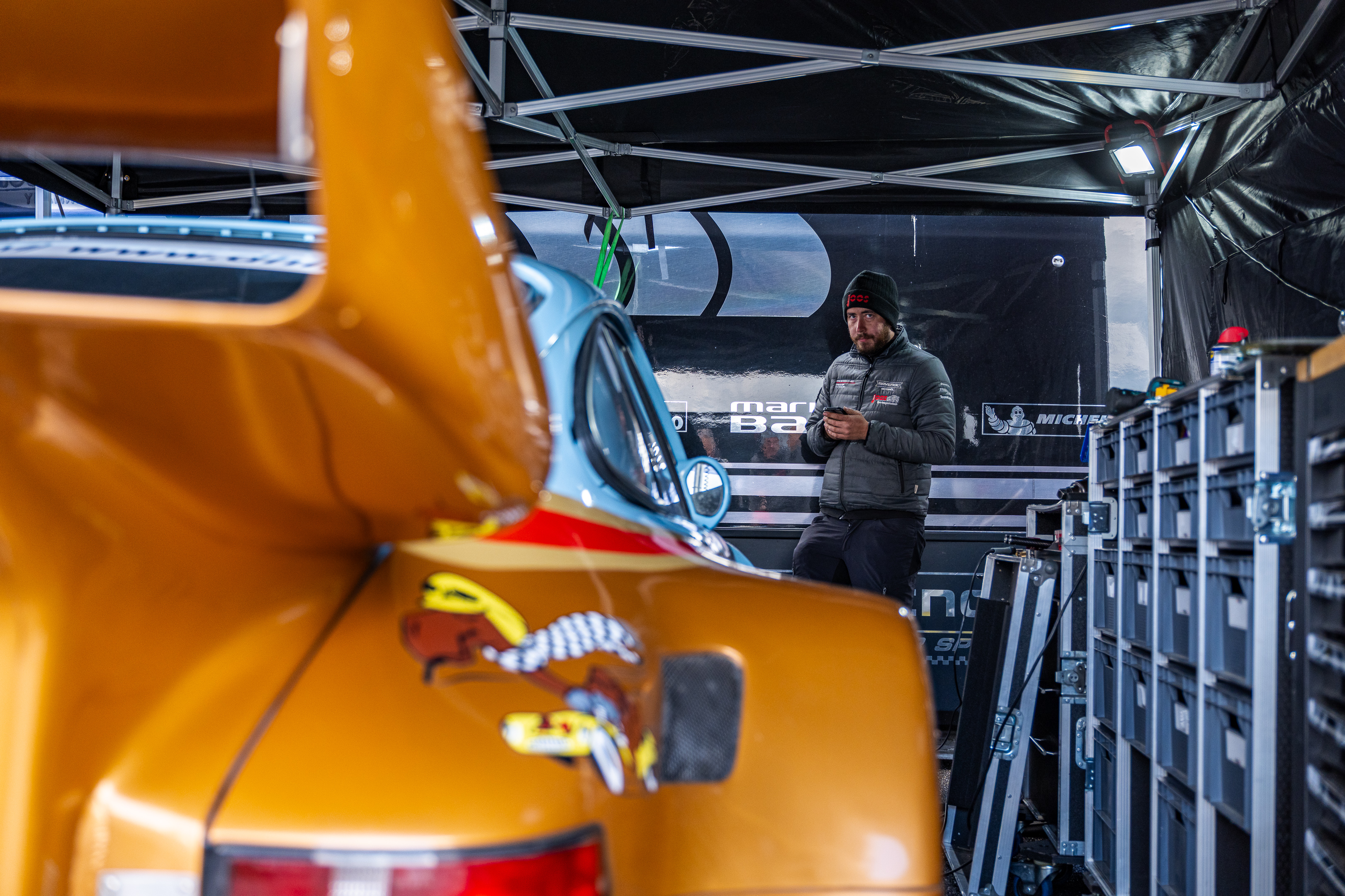
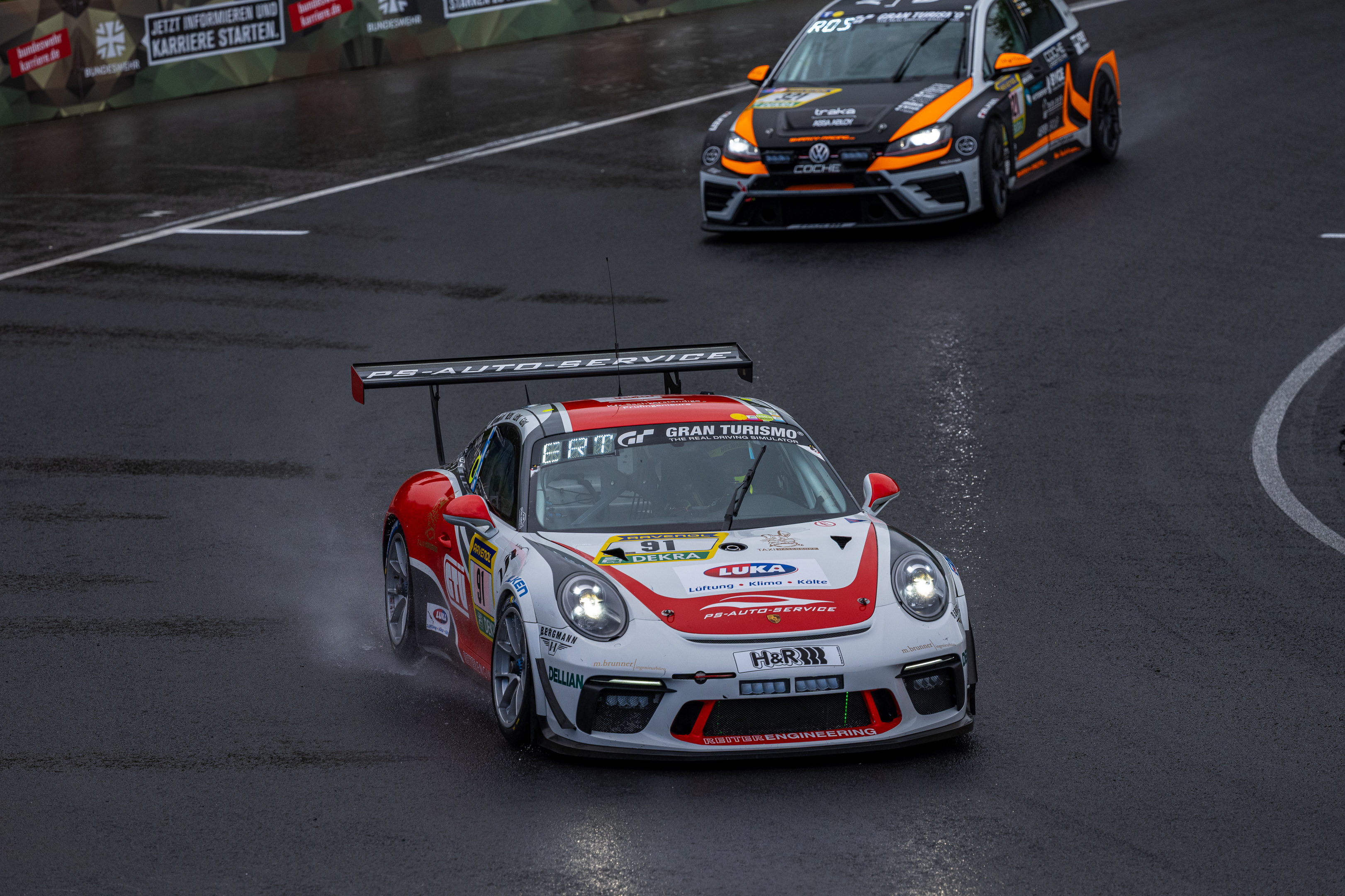
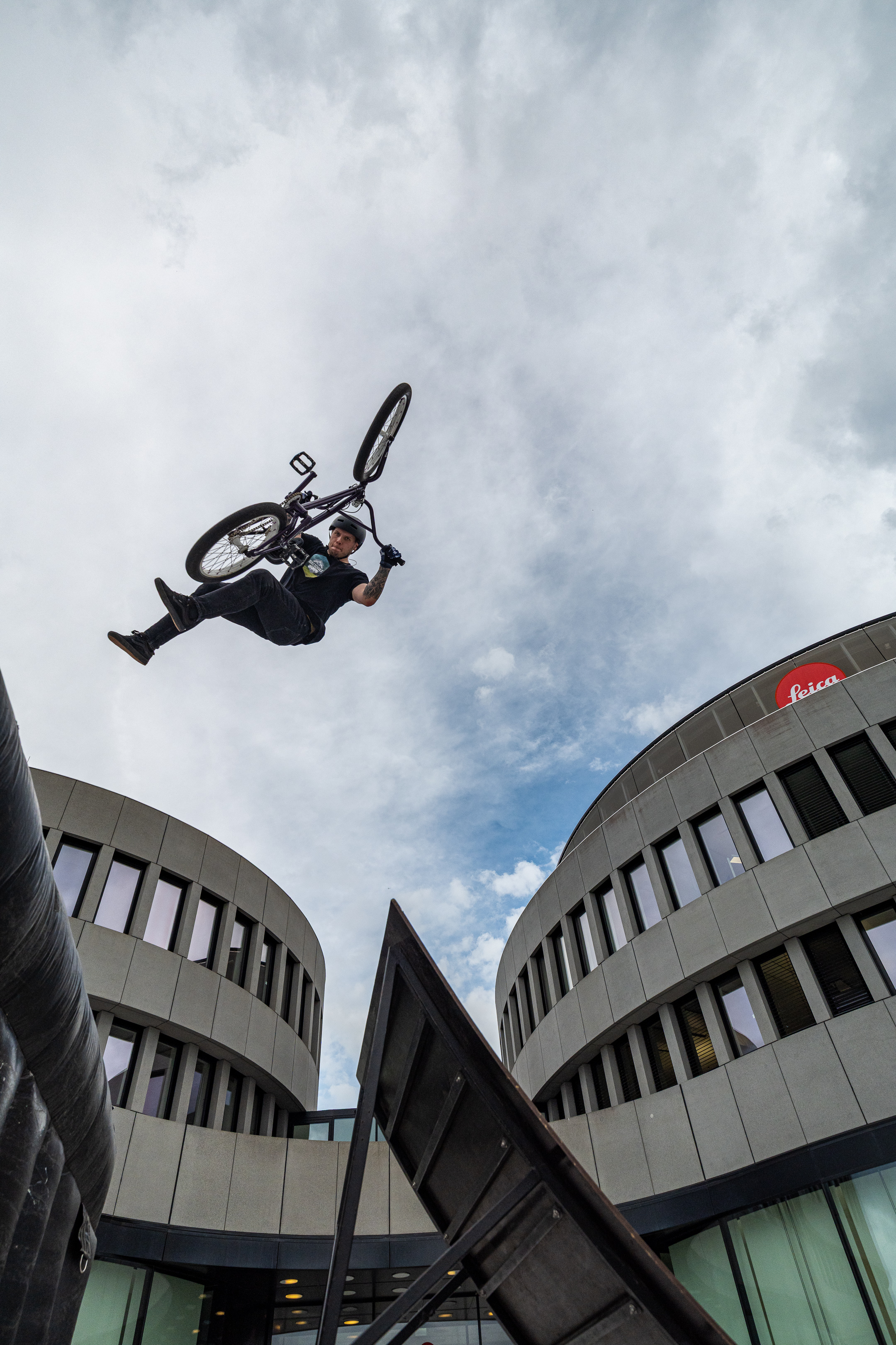
We were fortunate to be invited to Germany to try out the SL3-P first hand. Leica clearly wanted photographers to experience the SL3-P in situations where speed, autofocus performance, and image quality could all be put to the test. Aftter a photo shoot in studio at Leitzpark, some BMX bikers doing jumps in front of Leica HQ and Koblenz for travel and street photography, Leica brought us to the famed Nürburgring during qualifying for the legendary 24-hour race, where we photographed everything from race cars tearing up the track to mechanics working in the pits and fans checking out cars in the paddock. That variety turned out to be the perfect proving ground for the camera.
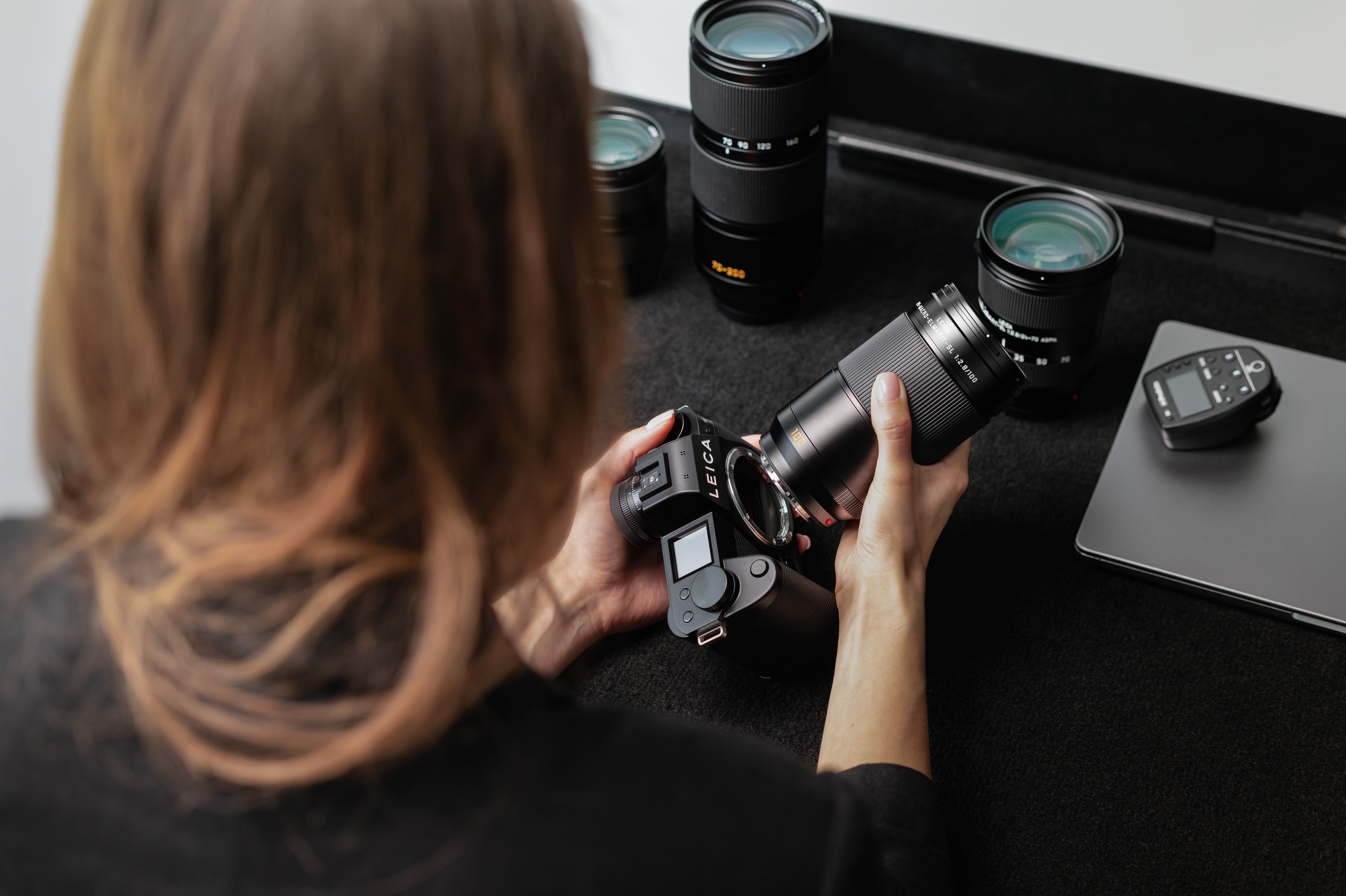
Apart from the incredible autofocus performance, which nailed shot after shot in every condition, I was blown away by color and tonality of the new sensor. Rich, true-to-life colors pop off the screen with plenty of headroom for editing. And getting to try out the upcoming 100mm APO-Macro and 50mm Summilux lenses was a real treat.
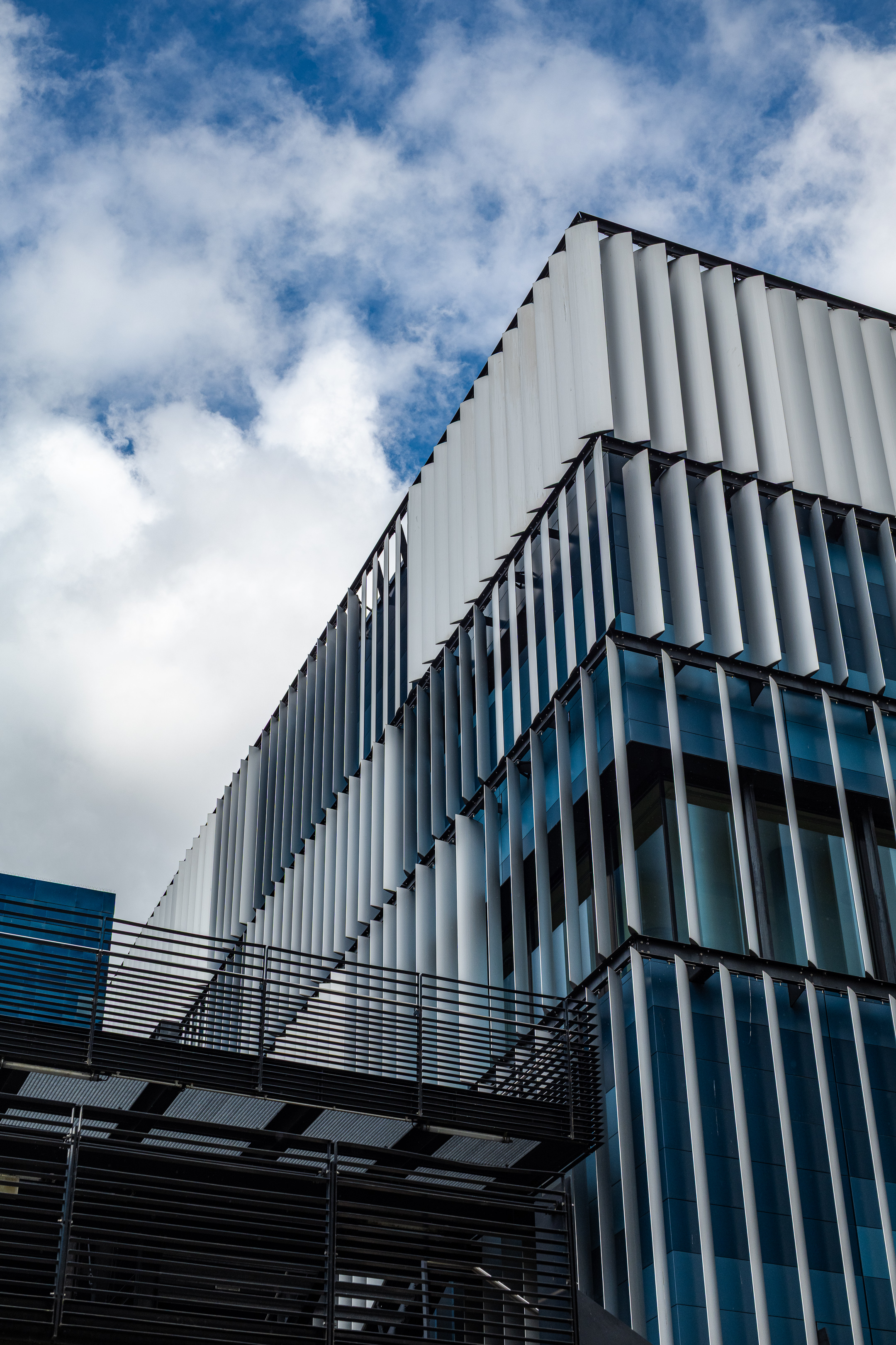
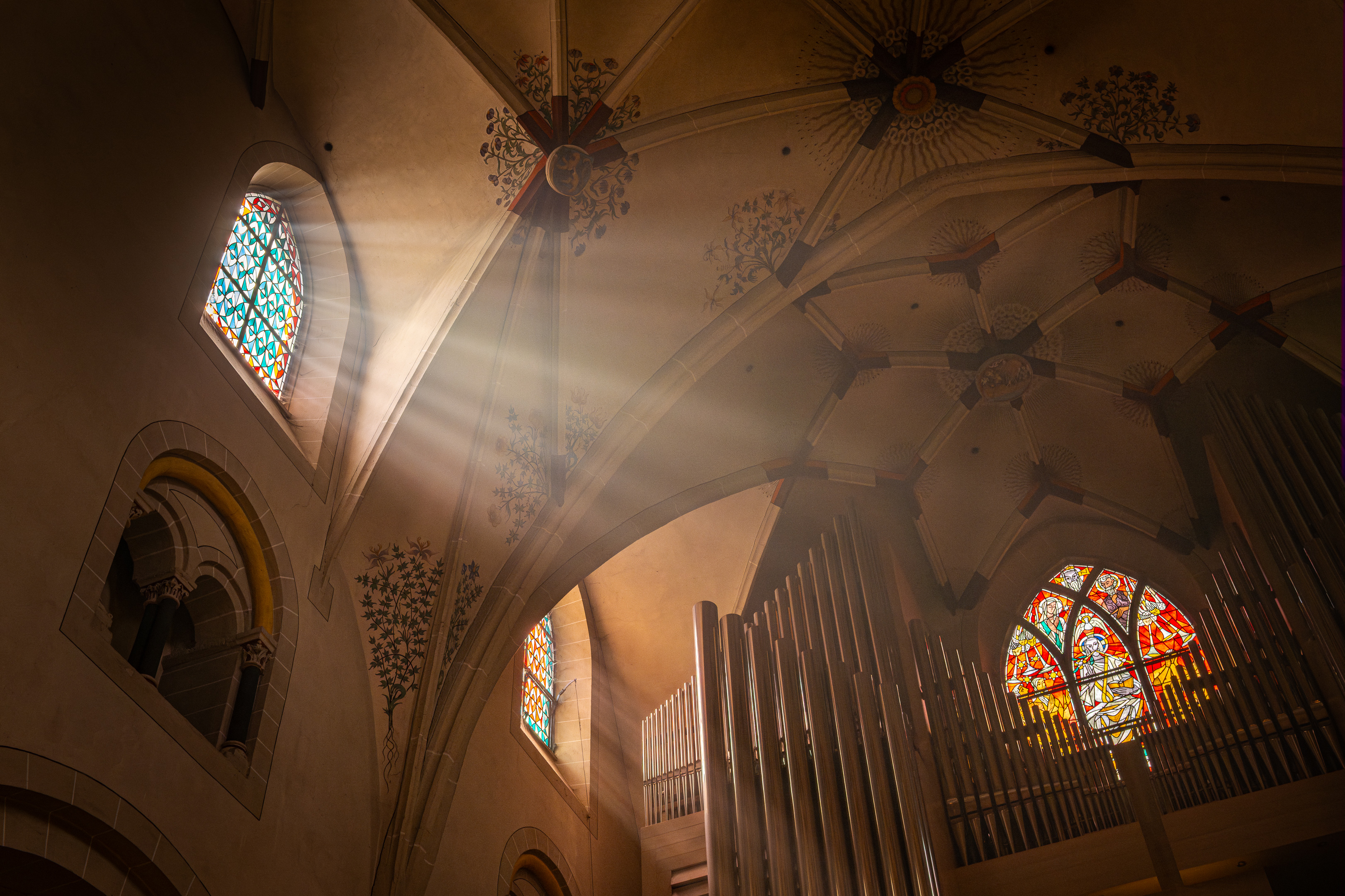
Here's a small sampling of the images I shot on the SL3-P during my time in Germany. Be sure to click on the image thumbnails for a larger view.








Check out our coverage on Red Dot Forum YouTube
Be sure to check out our launch video and join us for tonight’s live Red Dot Forum Camera Talk where we’ll take a deeper dive into the camera, show sample images and answer your questions live.
Where the SL3-P Fits in the Leica SL Lineup
The introduction of the SL3-P creates an interesting three-camera lineup within the SL family. The SL3 remains the highest-resolution option with its 60MP sensor, making it especially attractive for landscape, architecture, and studio photographers. The SL3-S focuses on speed and video performance with its 24MP sensor and excellent low-light capabilities.
The new SL3-P effectively bridges the gap between those two cameras. It offers substantially more resolution than the SL3-S while delivering significantly faster shooting speeds and autofocus performance than the SL3. For photographers and content creators seeking a true hybrid camera capable of excelling across a broad range of applications, the SL3-P may prove to be the most balanced option in the lineup.
The SL3 Family Compared
| Leica SL3-P | Leica SL3 | Leica SL3-S | |
| Sensor/Resolution | BSI-CMOS 44 MP Double Resolution (44 / 26 MP) 176 MP Multishot Mode | BSI-CMOS 60 MP Triple Resolution (60 / 36 / 18 MP) 240 MP Multishot Mode | BSI-CMOS 24 MP Single Resolution 24 MP 48 / 96 MP Multishot Mode |
| ISO Range | 50–200,000 | 50–100,000 | 50–200,000 |
| Sensor readout speed | 39.6 ms (14 bit) 20 ms (12 bit) | 100.7 ms | 51.3 ms |
| Autofocus System | PDAF / Contrast AF / Object Detection AF / 819 AF Points (+ machine learning for tracking) | PDAF / Contrast AF / Object Detection AF / 315 AF Points | PDAF / Contrast AF / Object Detection AF / 779 AF Points |
| Burst speed | 40 fps with full AF support | 15 fps 5 fps with full AFc support | 30 fps with full AFc support |
| Video Features | Advanced features, 8K Open Gate Recording, 8K HDMI-RAW, 6K, 60p, 4K/120p | Standard Features incl. 8K | Advanced features, 6K Open Gate Recording, 5.9K HDMI-RAW, 4K/60p |
| Content Credentials | Yes, without restrictions | No | Yes, not in burst mode |
Pricing and Availability
The Leica SL3-P is available immediately, priced at $6,690. As with most Leica launches, supply will be limited at launch. To purchase the Leica SL3-P, you can visit Leica Store Miami by clicking the button below, calling 305-921-4433, or sending an email to info@leicastoremiami.com. If you’re interested in trading in other Leica equipment toward this camera, please note it during the pre-order process.
If you're just getting into the SL System, Leica is also introducing three launch kits which offer significant savings compared to purchasing the components individually. If you need a lens, the kits offer savings ranging from $1,100 to 2,450 vs. purchasing a la carte:
- Leica SL3-P Vario Kit 28-70: $7,790
- Leica SL3-P Vario Kit 24-70: $8,390
- Leica SL3-P Vario Kit 24-70 & 70-200: $10,995
Tech Specs – Photo
| Designation | Leica SL3-P |
| Camera type | Mirrorless full-frame system camera |
| Type No. | 3403 |
| Order No. | 10664 (EU), 10665 (JP), 10666 (ROW) |
| RAM | 8 GB |
| Buffer memory | The number of images that can be stored in the camera’s RAM depends on the frame rate and image format. |
| Continuous shooting buffer | 2 fps, 14 bit, AF: 1000 DNG / 275 DNG + JPG / 1000 JPG 5 fps, 14 bit, AF: 180 DNG / 95 DNG + JPG / 195 JPG 7 fps, 14 bit, AF: 125 DNG / 85 DNG + JPG / 130 JPG 15 fps, 14 bit, AF: 70 DNG / 70 DNG + JPG / 70 JPG 15 fps, 12 bit, AF: 70 DNG / 70 DNG + JPG / 70 JPG 25 fps, 12 bit, AF: 70 DNG / 70 DNG + JPG / 70 JPG 25 fps, 14 bit, AF: 70 DNG / 70 DNG + JPG / 70 JPG 30 fps, 12 bit, AF: 70 DNG / 70 DNG + JPG / 70 JPG 40 fps, 12 bit, AF: 70 DNG / 70 DNG + JPG / 70 JPG Values refer to a CFe Card Type B with Leica Content Credentials off. |
| Storage medium | UHS-II (recommended), UHS-I, SD/SDHC/SDXC card + CFexpress card type B (recommended) |
| Material | Full metal housing: magnesium and aluminum, leatherette covering, splash water protected in accordance with IEC Standard 60529 (protection type IP54) |
| Lens mount | Leica L bayonet with contact strip for communication between lens and camera |
| Operating conditions | −10 to +40°C |
| Interfaces | ISO accessory shoe with additional control contacts, synch jack/timecode interface, HDMI jack 2.1 Type A, USB-C USB3.1 Gen2, Audio-Out 3.5 mm/Audio-In 3.5 mm, communication interface in the bottom cover for multifunction handgrip |
| Tripod thread | A 1⁄4 DIN 4503 (1⁄4”) with stainless steel in the base |
| Dimensions | 151.45 mm wide, 108.05 mm high, 84.6 mm deep |
| Weight | Approx. 768 g (without battery, memory cards, camera bayonet cover) |
| Sensor size | CMOS sensor, 45.8 MP / 44.9 MP (total / effective) |
| Image stabilization | 5-axis image stabilization up to 5-stops |
| Filter | RGB color filter, UV/IR filter, no low-pass filter |
| Processor | Leica Maestro series (Maestro IV) |
| File formats | Photo: DNG™ (raw data), DNG + JPG, JPG (DCF 2.0, Exif 3.00) |
| Image resolution | 35 mm JPG: L 8144 x 5424 pixels (44.2 MP), S 6336 x 4208 pixels (26.7 MP) 35 mm DNG: L 8144 x 5424 pixels (44.2 MP), S 6336 x 4218 pixels (26.7 MP) APS-C JPG: L 5360 x 3568 pixels (19.1 MP), S 4160 x 2768 pixels (11.5 MP) APS-C DNG: L 5360 x 3568 pixels (19.1 MP), S 4168 x 2776 pixels (11.5 MP) Multishot JPG/DNG: L 16288 x 10848 pixels (176.7 MP), M 11504 x 7664 pixels (88.2 MP) |
| Color depth | DNG™: 14 bit (12 bit also possible depending on the continuous shooting mode), JPG: 8 bit |
| Color space (photo) | sRGB |
| File size | DNG™: approx. 60 MB (L-DNG), depending on resolution and image content; JPG: approx. 21 MB (L-JPG), depending on resolution and image content |
| Recording modes | Photo mode: P-A-S-M; Video mode: P-A-S-M; Cine mode: M |
| Viewfinder (EVF) | Resolution: 5,760,000 dots, 60 fps or 120 fps, magnification: approx. 0.76x at aspect ratio 3:2 / approx. 0.78x at aspect ratio 4:3, frame coverage: 100%, exit pupil position: 21 mm, setting range −4/+2 dpt, with eye sensor for automatic switchover between viewfinder and LCD panel, time delay 0.005 s |
| LCD panel | 3.2” backlight LED with anti-fingerprint and anti-scratch coating, 2,332,800 dots, format 3:2, touch panel |
| Top display | 1.28” highly reflective trans-reflective monochrome LCD, 128 x 128 pixels, viewing angle 120°, anti-fingerprint coating |
| Shutter type | Electronically controlled focal plane shutter |
| Shutter speeds | Mechanical shutter: 30 min to 1⁄8000 s; electronic shutter function: video to 1⁄10000 s, photo 14 bit to 1⁄8000 s, photo 12 bit to 1⁄16000 s; flash synchronization up to 1⁄200 s |
| Shutter button | Two-stage: first stage activates camera electronics including autofocus and exposure metering; second stage takes the picture |
| Self-timer | Delay time: 2 s, 6 s, 12 s or 30 s |
| Drive Mode | Single, Continuous Shooting, Interval Shooting, Exposure Bracketing, Multi-Shot |
| Continuous shooting | 2 fps, 5 fps, 7 fps, 15 fps, 25 fps, 30 fps and 40 fps with AFc support, depending on bit depth and shutter type |
| Focus mode | Automatic or manual; with manual setting, optional magnifying glass function and Focus Peaking are available as focus assist |
| Autofocus system | Hybrid AF due to combination of contrast metering, depth mapping and phase comparison metering with AF metering points in the sensor |
| Autofocus modes | Intelligent AF, AFs, AFc, AF setting can be saved, optional Touch AF |
| Autofocus metering methods | Field / Spot (can be shifted and scaled), Zone / Multi-Field (can be shifted and scaled), Tracking |
| Autofocus detection | Human (Eye/Face/Body), Human (Eye/Face), Animal (Body), Animal (Eye/Body), Car, Car (Parts) |
| Autofocus metering fields | Contrast AF: 315 / Phase detection AF: 819 |
| Exposure metering | TTL (exposure metering through the lens) |
| Exposure metering methods | Spot, Center-Weighted, Highlight-Weighted, Multi-Field |
| Exposure modes | Program AE mode (P), aperture-priority mode (A), shutter-priority mode (S), Manual (M) |
| Exposure compensation | ±3 EV in 1⁄3 EV increments or 1⁄2 EV increments |
| Automatic bracketing | 3 or 5 frames, graduations between shots up to 3 EV, in 1⁄3 EV increments, additional optional exposure compensation up to ±3 EV |
| ISO sensitivity range | Photo Auto ISO: ISO 100–200,000 Photo Manual ISO: ISO 50–200,000 |
| Dual Basis ISO settings | Photo Low Basis ISO: ISO 50–360 Photo High Basis ISO: ISO 400–200,000 |
| White balance | Automatic (Auto), Daylight, Cloudy, Shadow, Tungsten, HMI, Fluorescent warm, Fluorescent cool, Flash, Gray Card, Gray Card pipette, Color Temperature 2000 K to 11500 K |
| Flash unit connector | Via the accessory shoe |
| Flash synchro socket | For flash synchronization, photo mode only |
| Flash sync time | 1⁄200 s, slower shutter speeds available, automatic switchover to TTL linear flash mode with HSS-compatible Leica system flash units if sync time is undercut |
| Flash exposure metering | Using center-weighted TTL pre-flash metering with Leica flash units SF 26, SF 40, SF 58, SF 60, SF 64 or system-compatible flash units, remote controlled flash SF C1 |
| Flash exposure compensation | SF 40: ±2 EV in 1⁄2 EV increments SF 60: ±2 EV in 1⁄3 EV increments |
| Microphone | Stereo internal + microphone input 3.5 mm stereo jack |
| Speaker | Mono internal + headphones output 3.5 mm stereo jack |
| WLAN | The Leica FOTOS app is required to use the WLAN function. The Leica app is available from the Apple App Store or Google Play Store. |
| 2.4 GHz WLAN | IEEE802.11b/g/n: Channel 1–11 (2412–2462 MHz) |
| 5 GHz WLAN | Client mode and access point + client mode, depending on region |
| Encryption method | WLAN-compatible WPA2™, WPA2™/WPA3™ and WPA3™ |
| Bluetooth | Bluetooth 5.0 LE: Channel 0–39 (2402–2480 MHz) |
| GPS | Not available everywhere due to country-specific legislation; can be added via the Leica FOTOS app. Data is written to Exif header of the picture files. |
| Menu languages | English, German, French, Italian, Spanish, Portuguese, Russian, Japanese, Simplified Chinese, Traditional Chinese, Korean |
| Battery | Leica BP-SCL6 lithium-ion rechargeable battery |
| Charging via USB | During operation: 9 V / 3 A, min. 27 W; with camera switched off: 5 V / 1500 mA, 2.5 W or greater |
| Scope of delivery | Leica SL3-P, Body Cap, Battery, USB-C cable, carrying strap, Quick Start Guide |
| Warranty | 2 years, extendable to 3 years |
Tech Specs – Video
| Video file formats | MP4: H.265 AAC 48 kHz / 16 bit MP4: H.264 AAC 48 kHz / 16 bit MOV: H.265 LPCM 48 kHz / 24 bit MOV: H.264 LPCM 48 kHz / 24 bit ProRes: LPCM 48 kHz / 24 bit RAW: LPCM 48 kHz / 24 bit |
| Recording modes | Photo mode: P-A-S-M; Video mode: P-A-S-M; Cine mode: M |
| Video resolution | 8K OG, C8K, 8K, 7.2K OG, 7.2K, 6.4K OG, C6K, 6K, 4.8K, 4.7K, C4K, 4K, Full HD and proxy resolutions |
| Frame rates | Up to 8K/30p, 6K/60p and 4K/120p, depending on resolution, codec and recording mode |
| HDMI RAW | Up to 8K Open Gate |
| ProRes | Apple ProRes internal recording up to 5.8K |
| Bit rate | 8 bit / 10 bit for recordings on SD and CFe card, 10 bit for HDMI output |
| Video Gamma | Rec. 709, Rec. 2020 (L-Log & HLG) |
| LUTs | Leica Pure, Leica Cine and custom LUT profiles |
| Video tools | False Color, HDMI Mirroring and redesigned Video Profile menu |
| Recording media | SD UHS-II, CFexpress Type B and USB-C SSD recording |
| Recording time | Recording times depend on storage capacity, sensor temperature and available power |
| ISO sensitivity range – Video | Auto ISO: ISO 100–100,000 Manual ISO: ISO 50–100,000 |
| ISO sensitivity range – L-Log | Auto ISO: ISO 200–50,000 Manual ISO: ISO 200–50,000 |
| ISO sensitivity range – L-Log (DRB) | Auto ISO: ISO 400–50,000 Manual ISO: ISO 400–50,000 |
| ISO sensitivity range – HLG | Auto ISO: ISO 400–100,000 Manual ISO: ISO 400–100,000 |
| Dual Basis ISO – Video | Low Basis ISO: ISO 50–360 High Basis ISO: ISO 400–100,000 |
| Dual Basis ISO – L-Log | Low Basis ISO: ISO 200–720 High Basis ISO: ISO 800–50,000 |
| Dual Basis ISO – L-Log (DRB) | Low Basis ISO: ISO 400–1440 High Basis ISO: ISO 1600–50,000 |
| Dual Basis ISO – HLG | Low Basis ISO: ISO 400–1440 High Basis ISO: ISO 1600–100,000 |
| HDMI | HDMI jack 2.1 Type A |
| Audio | Stereo internal + microphone input 3.5 mm stereo jack; headphones output 3.5 mm stereo jack |
Press Release
New: The Leica SL3-P
Leica is expanding its SL-System for performance-oriented photography and videography with the release of its most advanced full-frame camera to date, accompanied by two new SL lenses, offering greater creative freedom.
Teaneck, June 25, 2026 – When it launched the SL-System in 2015, Leica set a new standard for creative photography and video production. Based on the L-Mount, the system combines technological innovation with the precision and quality that the company is known for. Developed in close consultation with professional users, the SL-System continues to be refined, drawing on practical experience. The result is an expanding full-frame system that meets the highest photographic and cinematic standards, while also offering non-professional users easy access to high-quality image and video production thanks to its convenient, intuitive operation.
Looking to the future, Leica is now significantly strengthening the SL-System by presenting the Leica SL3-P, the brand’s most comprehensive full-frame camera to date, alongside the innovative Summilux-SL 50 f/1.4 ASPH. and APO-Macro-Elmarit-SL 100 f/2.8 lenses.
The New Leica SL3-P
At the heart of the SL3-P’s features are a new sensor and a new hybrid autofocus system. The 44-megapixel BSI full-frame sensor provides an ideal balance of high resolution and exceptional image quality. With a dynamic range of up to 14 aperture stops, even the finest tonal gradations are captured. The Multishot mode delivers extremely high-resolution, detailed images with up to 176 megapixels. The ISO range of 50 to 200,000 ensures high image quality and flexibility, even in challenging lighting conditions.
The new hybrid autofocus system combines three focus technologies – phase detection (PDAF), depth mapping (object detection AF), and contrast detection (contrast detection AF) – to achieve quick, precise, and reliable focusing. With continuous shooting at up to 40 frames per second with full autofocus support, improved tracking performance with 819 AF points, and smart subject recognition, the SL3-P can handle even the most dynamic of subjects with ease.
In terms of video, the latest addition to the SL3 family enables recording at resolutions of up to 8K. This includes 8.1K Open Gate in 3:2 format at up to 24p, HDMI RAW 8K Open Gate, and 8K at 30p. For smooth motion rendering, the camera offers 5.9K recording at up to 60 frames per second as well as detailed slow-motion footage in 4K at 120p. Integration of the Apple ProRes codec at up to 5.8K guarantees outstanding image quality. Together with the two new in-camera LUTs – Leica Pure and Leica Cine – for the L-Log color space, this provides maximum freedom in professional post-production. This not only makes the SL3-P suitable for demanding film productions but also for high-quality hybrid workflows. It allows footage to be optimized for various channels and formats, and framing to be determined retrospectively without any loss of quality.
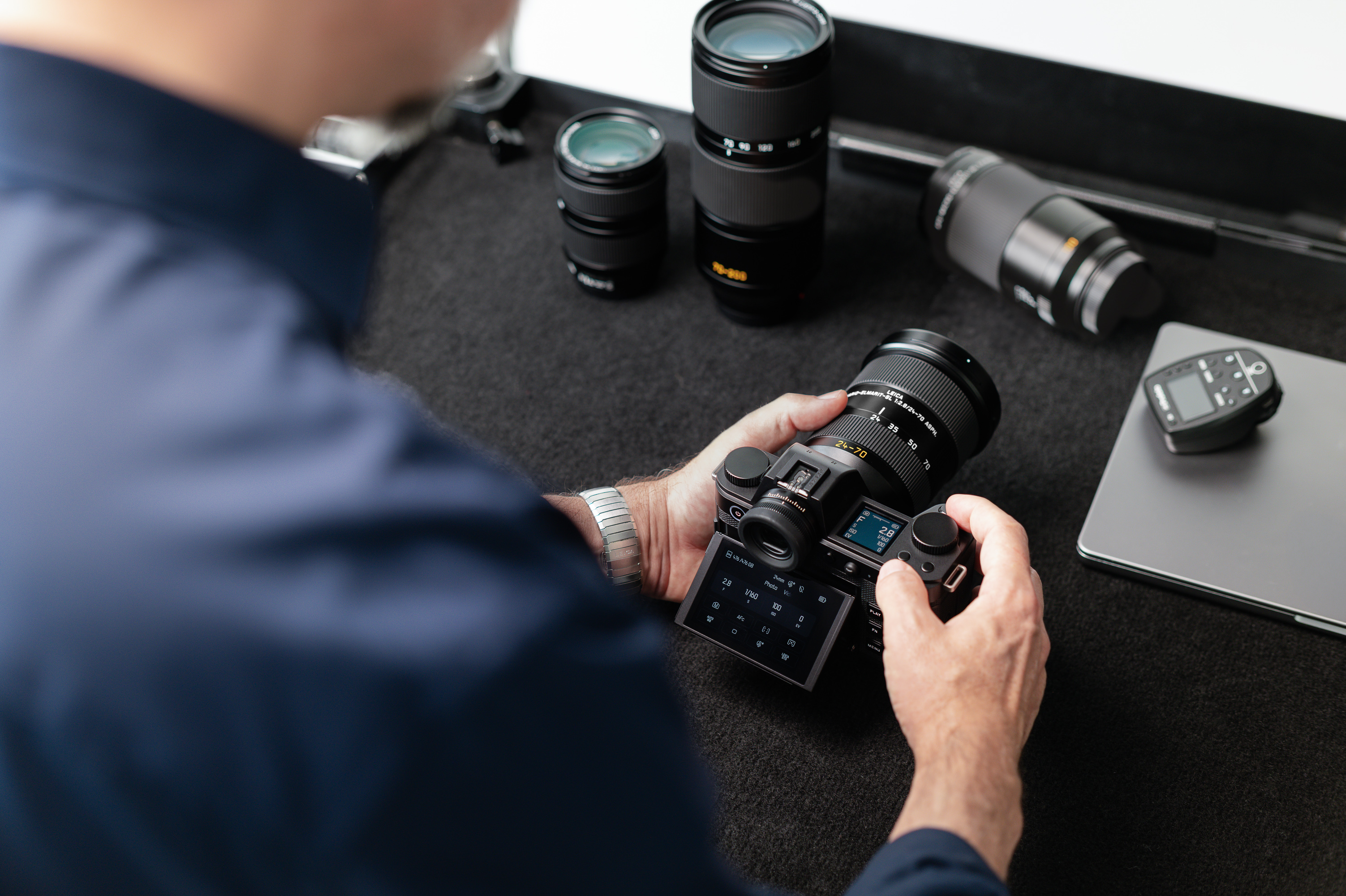
Manufactured in Germany, the SL3-P features a deliberately minimalist design with black control elements and without the red Leica logo. Its solid, full-metal body ensures maximum stability and reliability, while IP54 certification provides effective protection against dust and water splashes. The SL3-P also features the L-Mount, offering maximum flexibility for photography and filming with the exceptionally wide range of compatible lenses from L-Mount Alliance partners.
The SL3-P offers a unique combination of outstanding image quality, precision, feel, reliability, and speed as well as an unrivalled Leica user experience. This is based on well-conceived ergonomics, fully customizable controls, and a captivatingly clear user interface. The minimalist icon and menu design, which strictly separates photo and video modes, ensures particularly efficient navigation. A special color code – red for photos and yellow for videos – visually distinguishes between the two modes. In addition, the user interface automatically adapts to the camera’s orientation, displaying all information clearly and legibly on the high-resolution tilting screen in both vertical and horizontal positions.
The exceptional Leica user experience is maintained through ongoing, uncompromising development. Regular firmware updates based on customer feedback are conveniently made available for the SL3-P via the Leica FOTOS App. This means that the camera embodies both modernity and longevity – from the choice of materials and continuous software improvements. It is a future-proof investment that offers a complete Leica experience from the very first use.
The SL3-P’s comprehensive connectivity ensures a seamless professional workflow. The Leica FOTOS App uses fast Wi-Fi and Bluetooth connections to link the camera directly to mobile devices. This enables fast downloads of DNG, JPG, and video files as well as full remote control via a smartphone or tablet.
Leica Looks can be applied as soon as the shutter is released, and their intensity can be adjusted either in the camera or later in the Leica FOTOS App. Native tethering support for Lightroom Classic and Capture One provides a stable, direct connection between the camera and computer, facilitating immediate image review in the studio. With Camera-to-Cloud via Adobe Frame.io, photos and videos can be transferred directly from the camera to the cloud, making them available for post-production immediately.
In addition, the SL3-P is equipped with pioneering Content Credentials technology, developed in line with the Content Authenticity Initiative (CAI), which enables images to be signed with tamper-proof metadata if desired, thereby protecting creative professionals’ intellectual property.
Leave a Reply