
Today, Leica has announced the Summicron-M 66 f/2, a modern reinterpretation of one of the rarest and most unusual lenses in Leica history. Based on the ELCAN 66mm f/2 developed by legendary optical designer Dr. Walter Mandler at Ernst Leitz Canada in the late 1960s, the new lens brings the once-secret military optic into the modern era as a limited edition of just 660 individually numbered lenses worldwide.
The original ELCAN 66mm f/2 wasn’t designed for the general public. Developed under a classified contract for U.S. Naval Intelligence, the lens was produced specifically for covert reconnaissance photography, where compact dimensions and extremely high resolution were critical. Only around 200 examples were ever built, making the ELCAN one of the rarest lenses in the history of the Leica M-System.
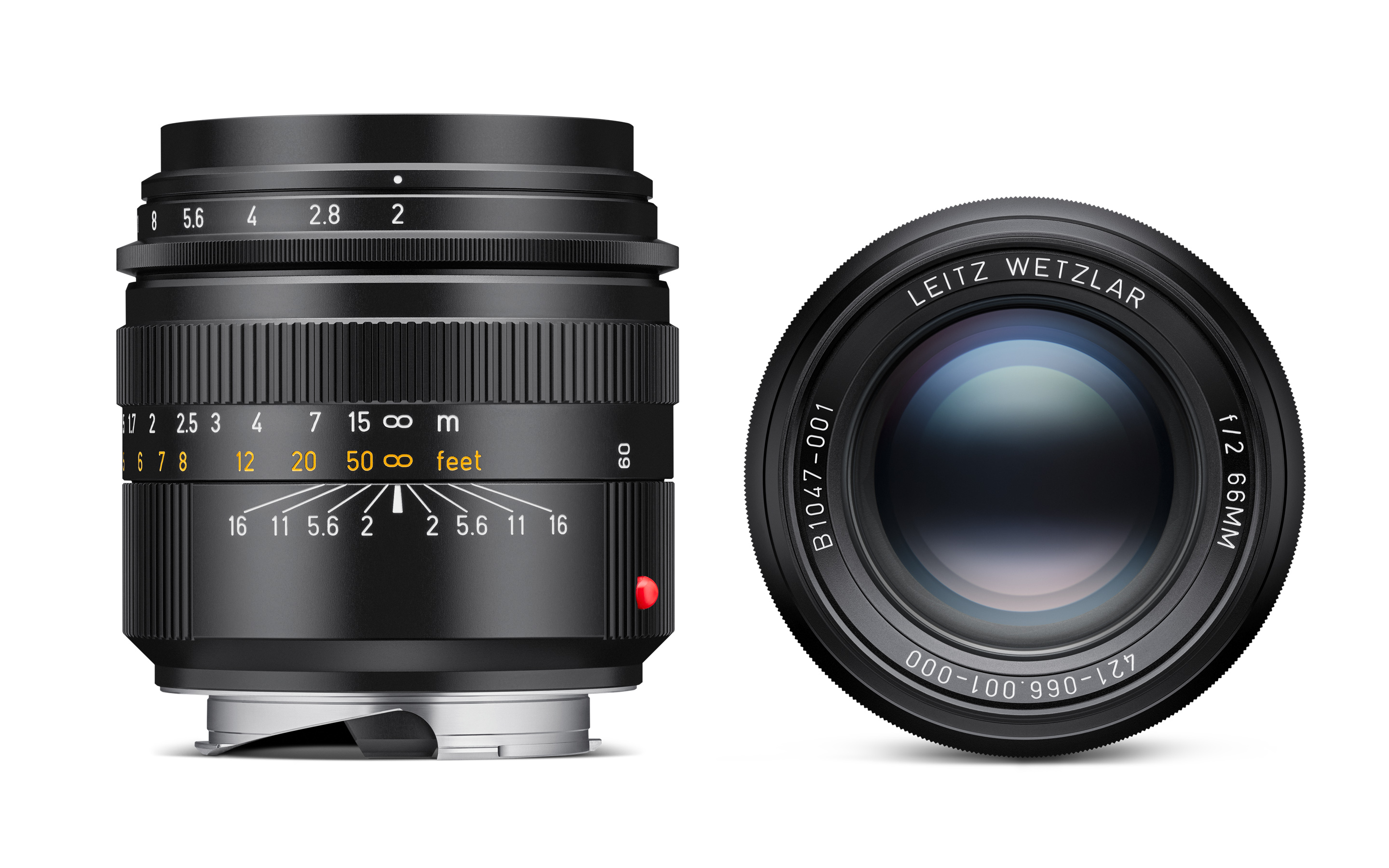
Rather than simply recreating the original lens cosmetically, Leica has gone further. The Summicron-M 66 f/2 is the first Leica limited-edition lens designed from the ground up, not a variant of an existing production model. While the optical design is based on Mandler’s original ELCAN, the lens has been optimized and adapted to meet modern standards. Leica has retained many of the original lens’s unique mechanical details and military-inspired markings, and of course, the 66mm focal length. The result is one of the more interesting additions we’ve seen to Leica’s Classic Line.
From Classified Reconnaissance to the Leica M
In the late 1960s, Dr. Walter Mandler was heading optical development at Ernst Leitz Canada in Midland, Ontario when the company received an unusual commission from the U.S. Navy. According to Mandler, the requirement was straightforward, if technically challenging, “The Naval Intelligence Service wanted a lens that looked like any other but delivered an unparalleled level of resolution.”

The resulting ELCAN 66mm f/2 was designed specifically for covert reconnaissance photography. Even the unusual focal length was driven by the requirements of the project. Rather than choosing one of the established 50mm or 90mm focal lengths, Mandler settled on 66mm as a precise balance between maximum resolution, fine contrast rendition and compact dimensions.
Only around 200 lenses were produced. Many ELCAN 66mm f/2 lenses are associated with the also-rare Leica KE-7A, a special military version of the Leica M4. Historical accounts also suggest that equipment of this type found its way beyond the original U.S. Navy commission to Western allied partners during the Cold War.
Another particularly fascinating detail in the history of the original sets was that the supplied instruction manual included directions for destroying the camera and lens in the event of capture. Definitely a dramatic origin story for an M lens.
A Modern Interpretation of the ELCAN 66mm f/2
The new Summicron isn’t an exact reproduction of the ELCAN version. Most of the original glass types are no longer available. So, like previous releases in the Classics Line, Leica engineers had to work to recreate the vintage rendering with modern optics.

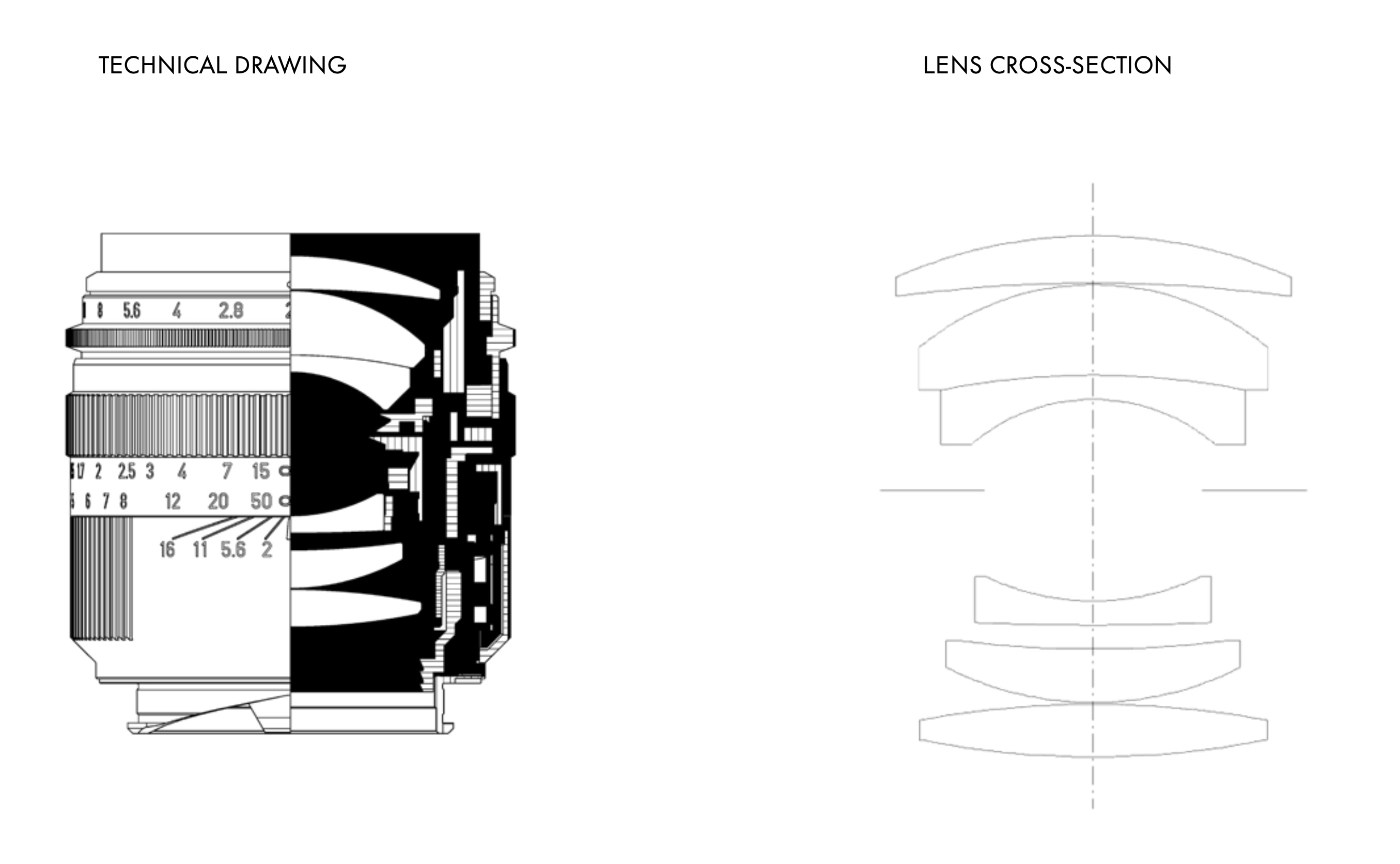
Similar to the original, the optical construction is remarkably straightforward. The Summicron-M 66 f/2 uses just six lens elements arranged in five groups, with no aspherical or APO elements in the mix. Instead, the lens remains true to its predesceor with a classic spherical design. But that simplicity doesn’t mean Leica is positioning the 66mm as a vintage novelty. Quite the opposite. The original ELCAN existed specifically because of its unusually high resolving power, and Leica has attempted to retain that dual personality in the new lens.
Wide open at f/2, results have high contrast paired with soft, creamy bokeh. Stop the lens down to f/5.6 and the historical purpose becomes increasingly apparent, sharpening up considerably across the frame. Contrast, detail and uniformity are all impressive for a vintage lens. And because of the 9-blade aperture, bokeh balls go from round to slightly more geometric when stopping down.
MTF and Performance
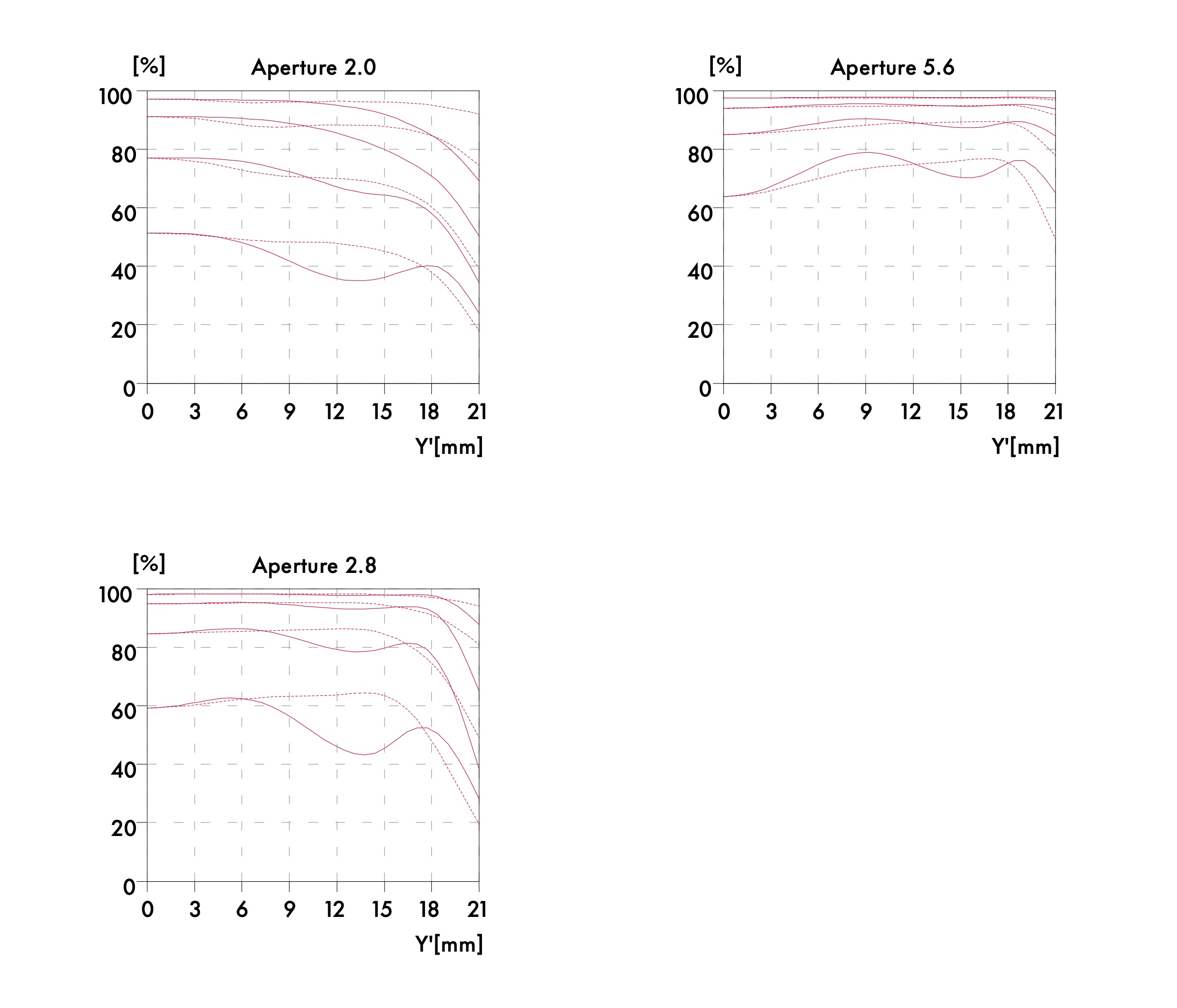
Looking at the MTF charts for the new lens, you can see this play out. At f/2, contrast for the lower frequencies remains very high through much of the image field, while the 20 and particularly 40 lp/mm curves sit noticeably lower and show increasing falloff toward the outer image area. In practical terms, this results in solid overall contrast and subject definition wide open, but with fine details redered softly.
Stopping down changes the picture considerably. At f/2.8, fine-detail performance improves, and by f/5.6 the 5, 10 and 20 lp/mm curves all register over 80% contrast across the entire frame. The highest-frequency 40 lp/mm response improves significantly as well before dropping toward the extreme corners. For a design from the 1960's, this would have been cutting-edge performance, and well-matched for the best film emulsions of the day.
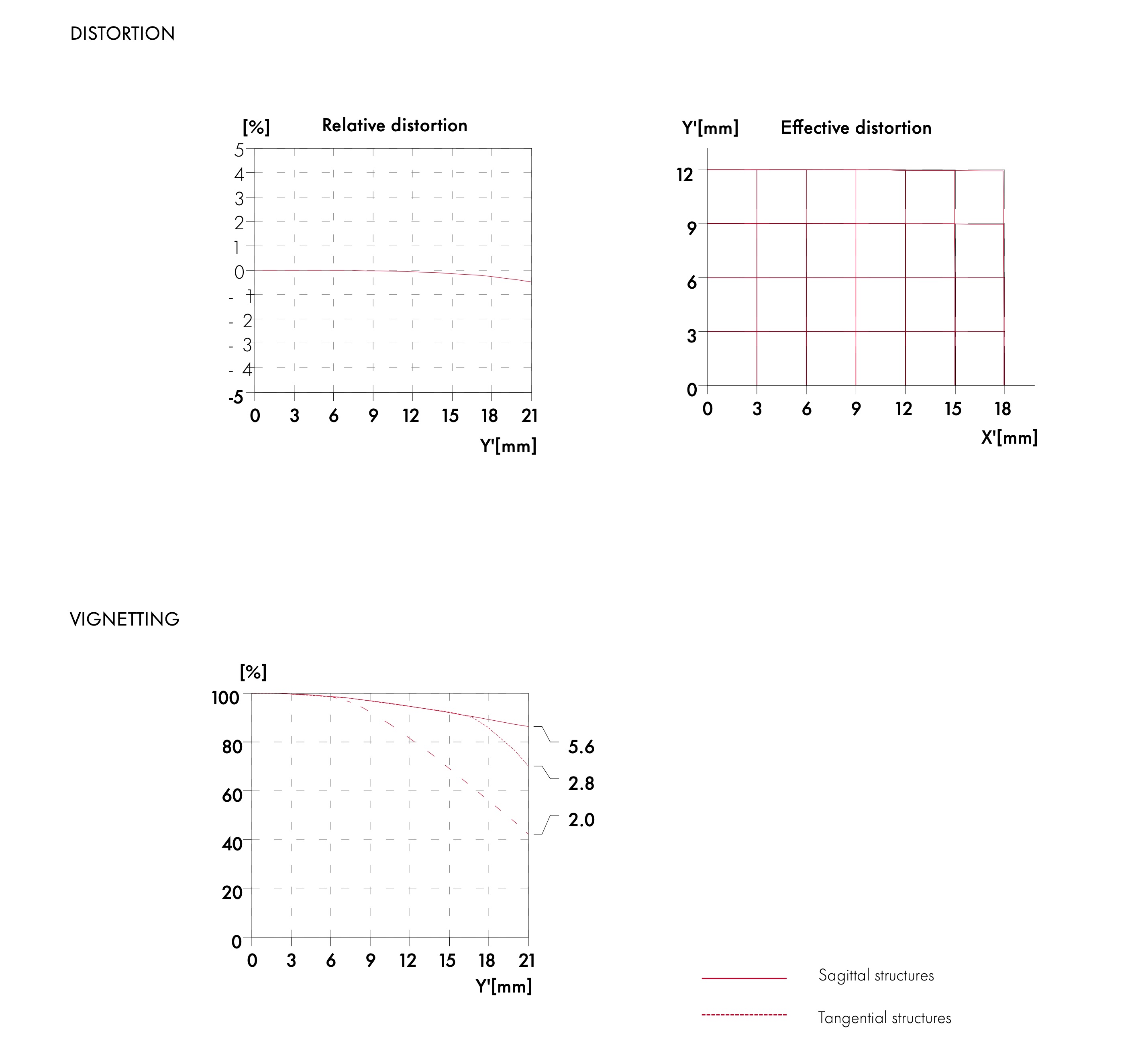
Distortion is also exceptionally well controlled, with values remaining close to zero through most of the image field. As a spherical design, there is a decent amount of vignetting at f/2, but progressively improving stopping down to f/2.8 and again at f/5.6.
An Unusual 66mm Focal Length
At 66mm, the Summicron sits squarely between a traditional 50mm normal lens and 75mm short telephoto. For portraits, the slightly longer-than-normal focal length offers the more flattering perspective and subtle compression of a short telephoto without feeling as tight as a 75mm. And for general-purpose, the focal length could be interesting for photographers who find 50mm just a little too wide.
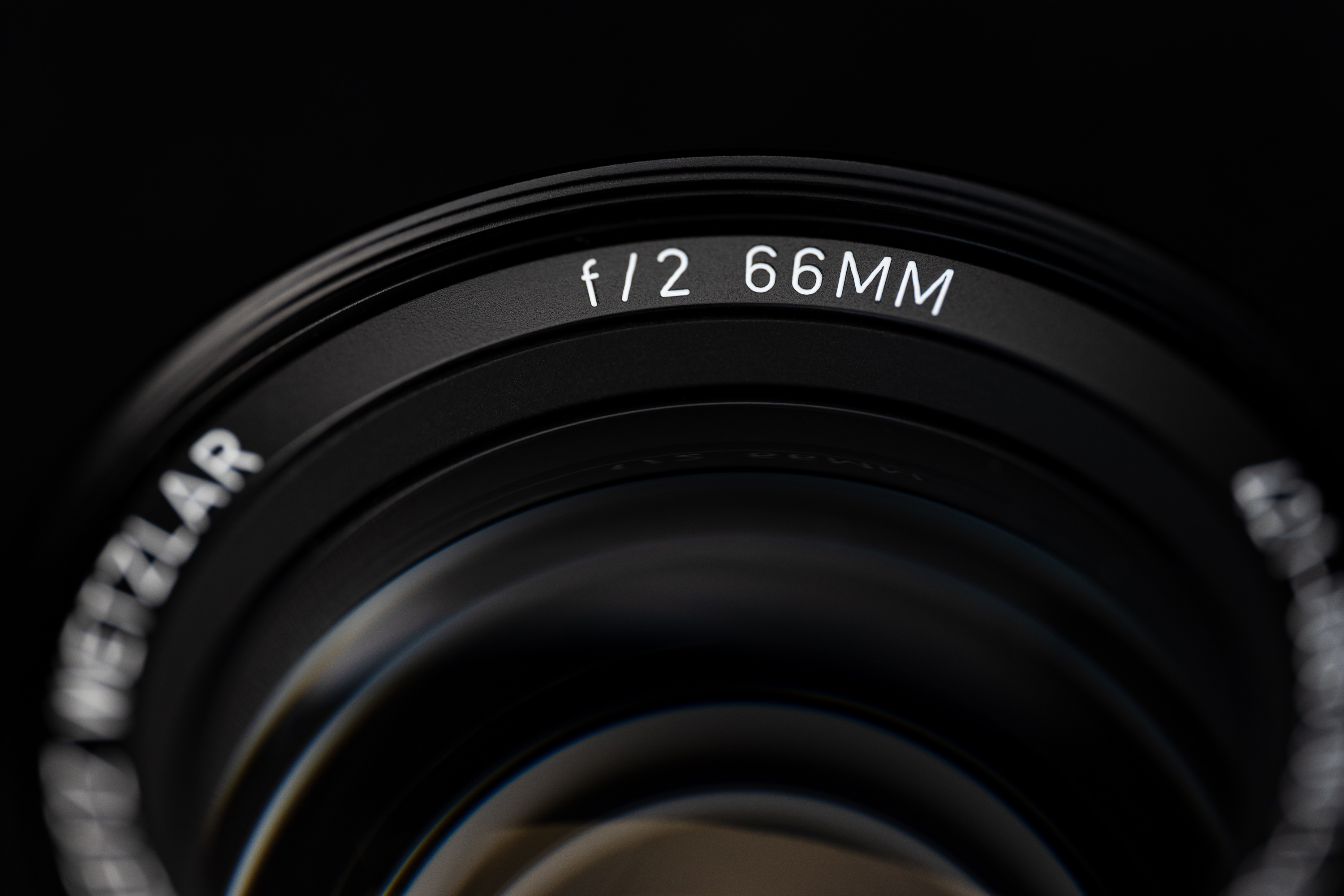
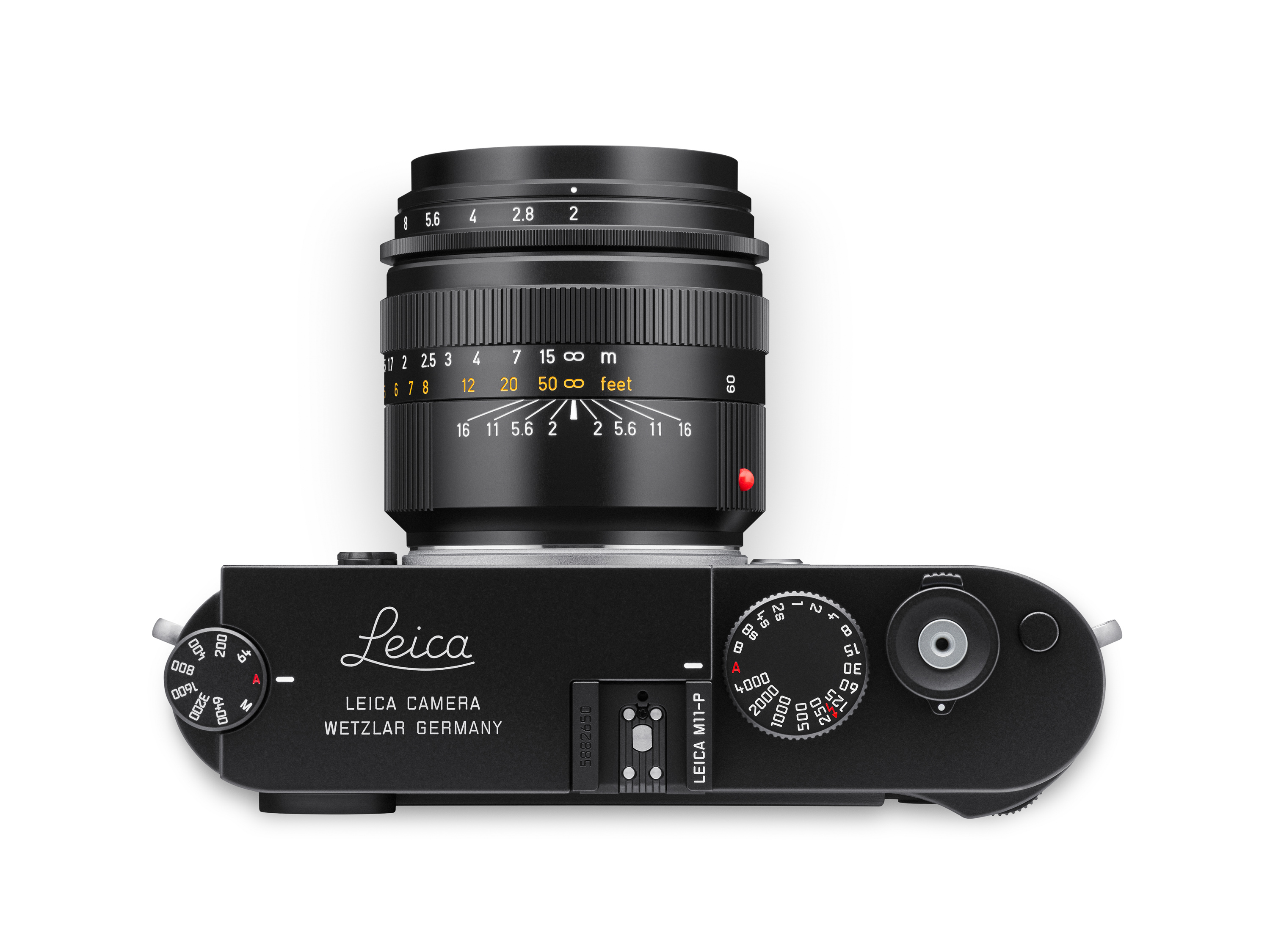
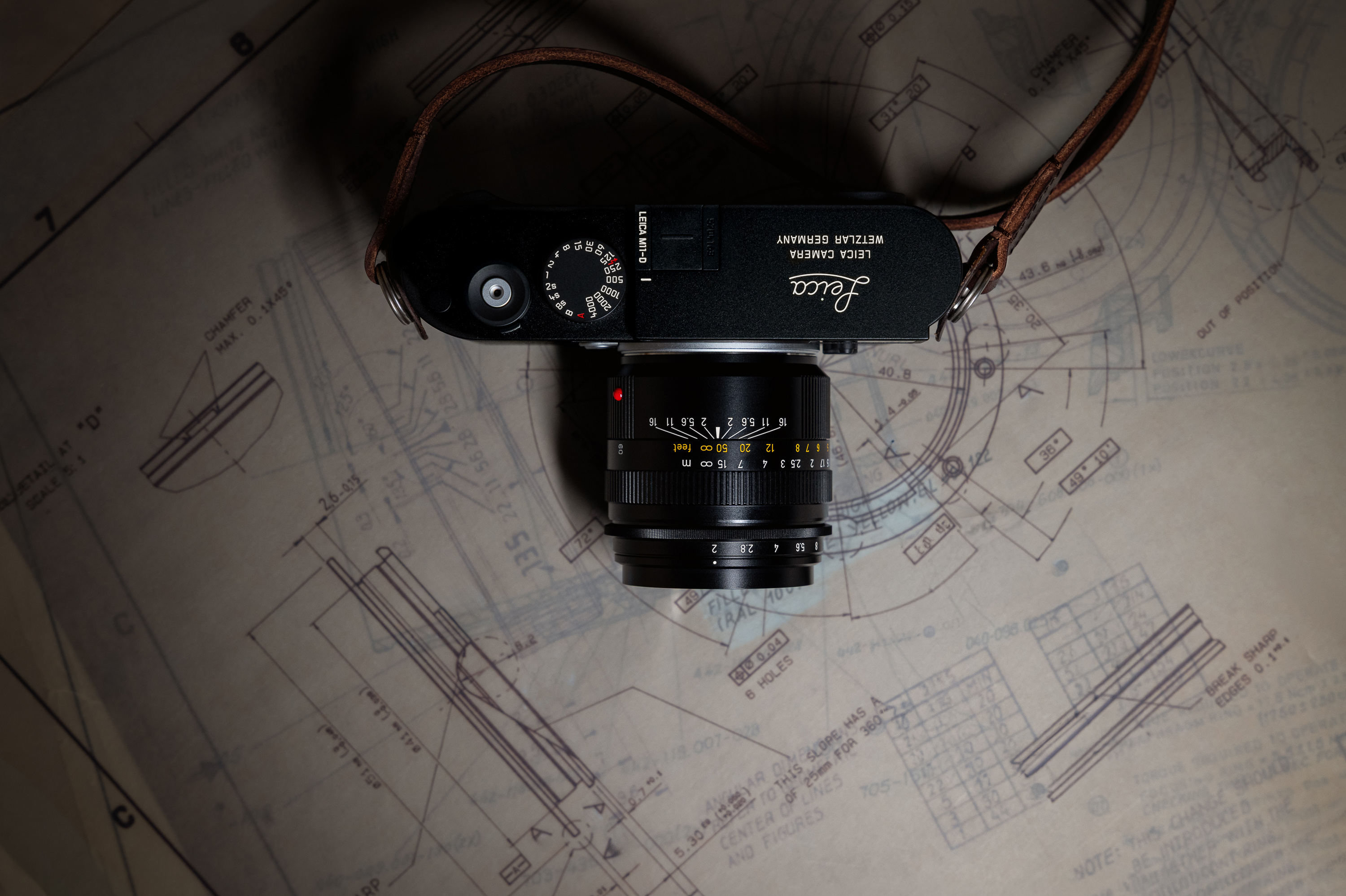
Of course, no Leica M camera ever made has 66mm framelines, which poses a small, but easily managable issue. Mounting the lens activates the 50mm and 75mm frameline set. Since the 66mm field of view falls between the two, photographers will need to mentally visualize their final frame. The 50mm frameline provides the wider boundary while the 75mm frameline shows the tighter one, with the actual captured area somewhere in-between.
If you want more precise framing, the lens would be a perfect fit on the M EV1 since the EVF provides a what-you-see-is-what-you-get view through the lens. Or, simply use a Visoflex on an M10 or M11.
No 6-Bit Coding
In another unusual departure from contemporary Leica M lenses, the Summicron-M 66 f/2 is not 6-bit coded. Given the lengths Leica has gone to in recreating the appearance and mechanical details of the original ELCAN, leaving off the modern 6-bit coding feels consistent with the overall concept. For digital M users, though, it does mean remembering to manually select the appropriate lens profile in the menu if you want proper 1/f Auto ISO settings and optical corrections.
Military-Inspired Controls and Engravings
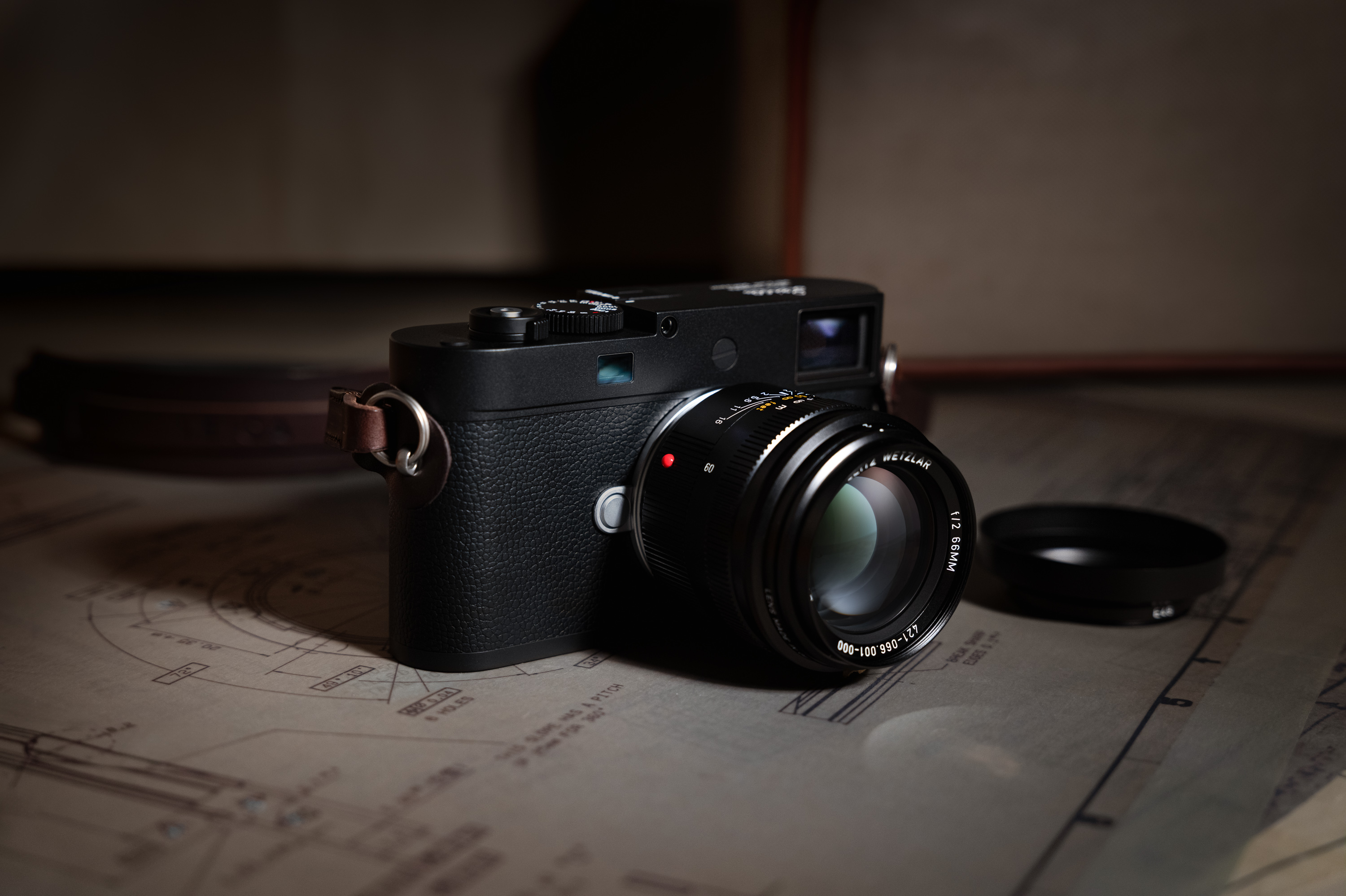
Apart from the optics, the lens has some interesting historically-accurate quirks. The aperture ring rotates in the opposite direction from a standard Leica M lens, recreating the behavior of the original ELCAN. Meter and feet focusing scales on the barrel are reversed as well, following the military specifications of the original optic.
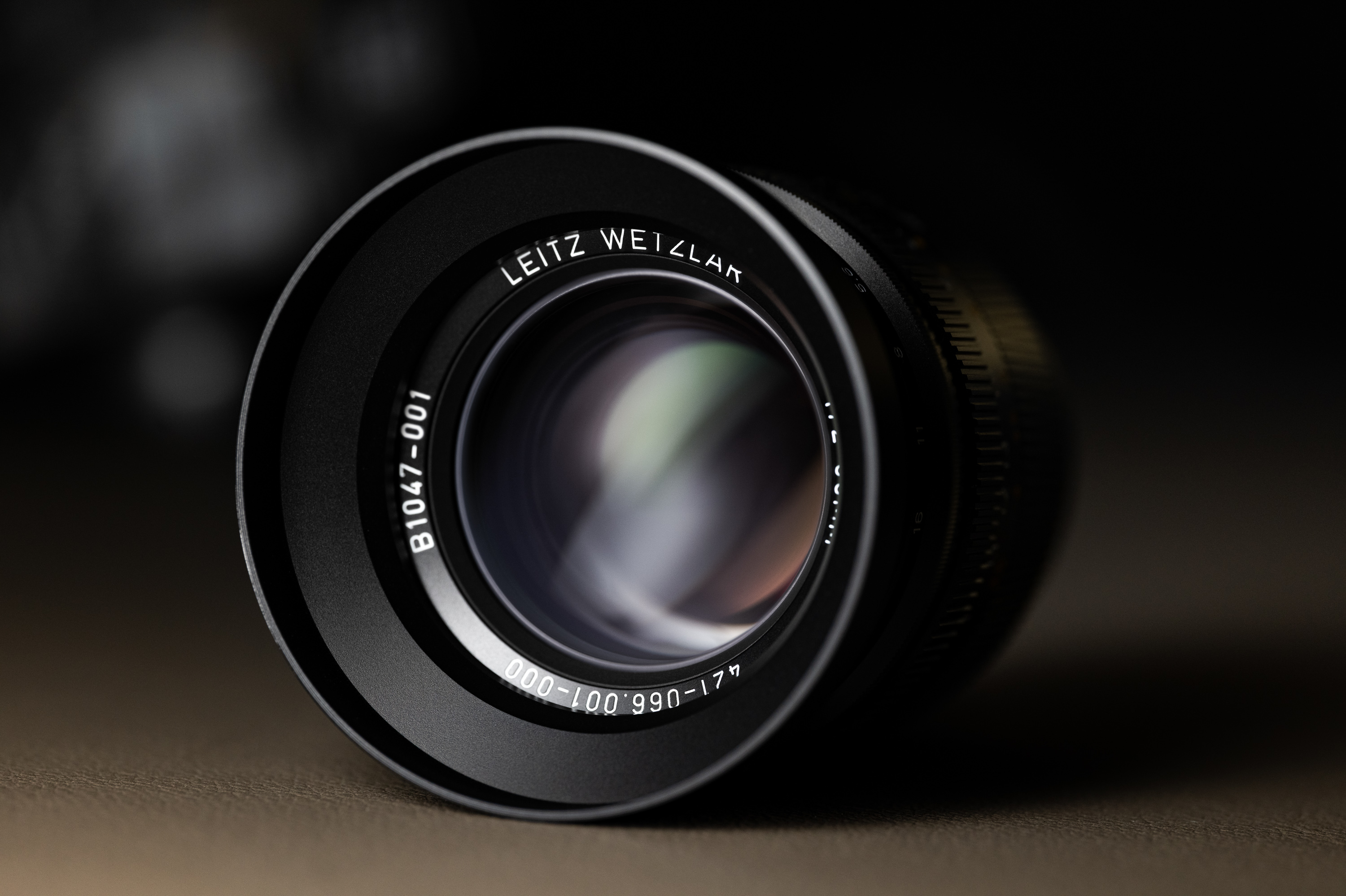
The engravings are also unique. On the front ring is an optical calculation number B1047 (B is for Berek, Leica's first optical designer), Leica’s 12-digit internal material number and the individual edition number. These markings reference the original ELCAN, which carried a C283 optical calculation number along with its production number and 13-digit U.S. Navy order number. But veering from history a little, the new lens carries a prominent LEITZ WETZLAR engraving rather than the original ELCAN designation.
There's one more charming throwback. A small “60” is engraved into the barrel. This isn’t an edition number. On precision lenses of the period, the precisely measured focal length was indicated using the digit before and after the decimal point, without actually engraving the decimal. Here, “60” signifies a precisely measured focal length of 66.0mm.
Size, Handling and Close Focus
Measuring 60.1mm long and 60mm in diameter, the 66mm is realtively compact. Of course, this was its original intention. For modern convenience, the lens takes E49 filters and comes with a screw-on lens hood. If you use a filter, the hood will screw into the front of the filter and will work without visible vignetting.
Minimum focusing distance is a decidedly traditional 1 meter, resulting in a maximum reproduction ratio of 1:13.4. So, despite being a newly designed lens, don’t expect the 0.7m or closer focusing capabilities of most modern M lenses. This was the same story on the 35mm Steel Rim and the 50mm f/1.2 Noctilux re-issues as well.
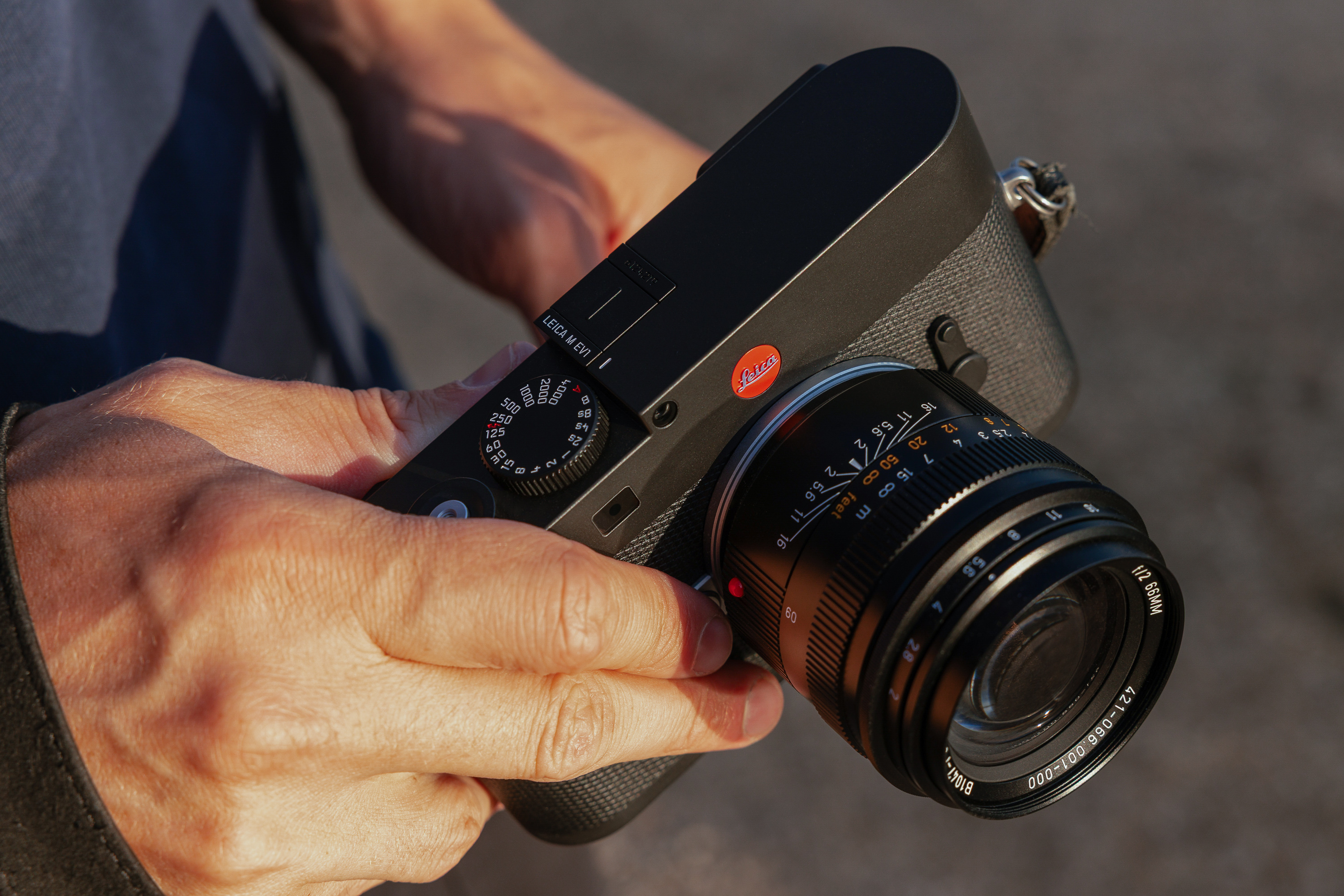
At 456 grams, the lens definitely has a heft to it. The original ELCAN may have been developed with compactness as one of its design requirements, but the modern 66mm isn’t an ultralight lens.
Limited to 660 Lenses Worldwide
The Summicron-M 66 f/2 will be produced as a worldwide limited edition of just 660 individually numbered lenses. And Leica has added a twist for collectors. For the first time with any limited release, the individual edition number isn’t printed on the outer packaging. The number appears only on the lens itself, so you won’t know which of the 660 examples you’ve received until you actually open the box and take a look at the front ring.
One number won’t be showing up through regular channels though. Summicron-M 66 f/2 No. 001 will be auctioned by Leitz Photographica Auction in Wetzlar in November 2026 to one lucky collector.
Pricing and Availability
The Leica Summicron-M 66 f/2 will be available starting today, September 3, 2026, priced at $10,900. Limited to just 660 individually numbered lenses worldwide, demand is expected to far exceed supply. To purchase the Leica Summicron-M 66 f/2, you can visit Leica Store Miami by clicking the button below, call 305-921-4433, or send an email to info@leicastoremiami.com.
Tech Specs
| Lens | Leica Summicron-M 1:2/66 |
| Order Number | 11099 |
| Angle of View | 36.3° diagonal / 30.5° horizontal / 20.6° vertical |
| Lens Construction | 6 elements in 5 groups |
| Entrance Pupil Position | 31.40 mm in front of the bayonet |
| Focusing Range | 1 m to infinity |
| Distance Scale | Combined meters (m) / feet (ft) scale |
| Smallest Object Field | 321 × 481 mm |
| Maximum Reproduction Ratio | 1:13.4 |
| Aperture Setting | Click-stop diaphragm with half-stop increments |
| Minimum Aperture | f/16 |
| Diaphragm Blades | 9 |
| Bayonet | Leica M bayonet |
| Filter Thread | E49 |
| Lens Hood | Screw-on |
| Length | Approx. 60.1 mm |
| Diameter | Approx. 60 mm |
| Weight | Approx. 456 g |
| Finish | Black anodized finish |
| Edition | Limited to 660 individually numbered lenses worldwide |
| Scope of Delivery | Lens, screw-on lens hood, metal front cap, metal rear cap, leather case |
Sample Images
Leica was nice enough to provide a selection of sample images from the lens from the M11-P and M EV1. Be sure to click on the thumbnail images for the full images.
































Press Release
The Leica Summicron-M 66 f/2
This reinterpretation of the historic spy lens extends the Leica Classic Line by adding the unique 66mm focal length
Teaneck, September 3rd 2026 – Dr Walter Mandler developed the Elcan 66mm f/2 at Ernst Leitz Canada in the late 1960s. Designed for use by the US Navy, only around 200 units were produced. This makes the lens one of the rarest in the Leica M-System, giving it special optical and historical significance. To honor this lens, Leica Camera AG is presenting a reinterpretation, by expanding its Classic Line with the new Summicron-M 66 f/2.
Dr Mandler was already regarded as a leading authority in optical design back then. He developed a bespoke lens for covert reconnaissance photography in response to a US Navy commission. According to Dr Mandler, Head of Development and Vice-President of Ernst Leitz (Canada) Ltd. in Midland, Ontario, at the time: “The Naval Intelligence Service wanted a lens that looked like any other but delivered an unparalleled level of resolution.” The unusual focal length of 66mm was no coincidence, but rather the result of striking a precise balance between maximum resolution, fine contrast rendition and a compact design. This extraordinary, rare spy lens, with a purely military history, embodies one of the most extraordinary chapters in the history of the Leica M.
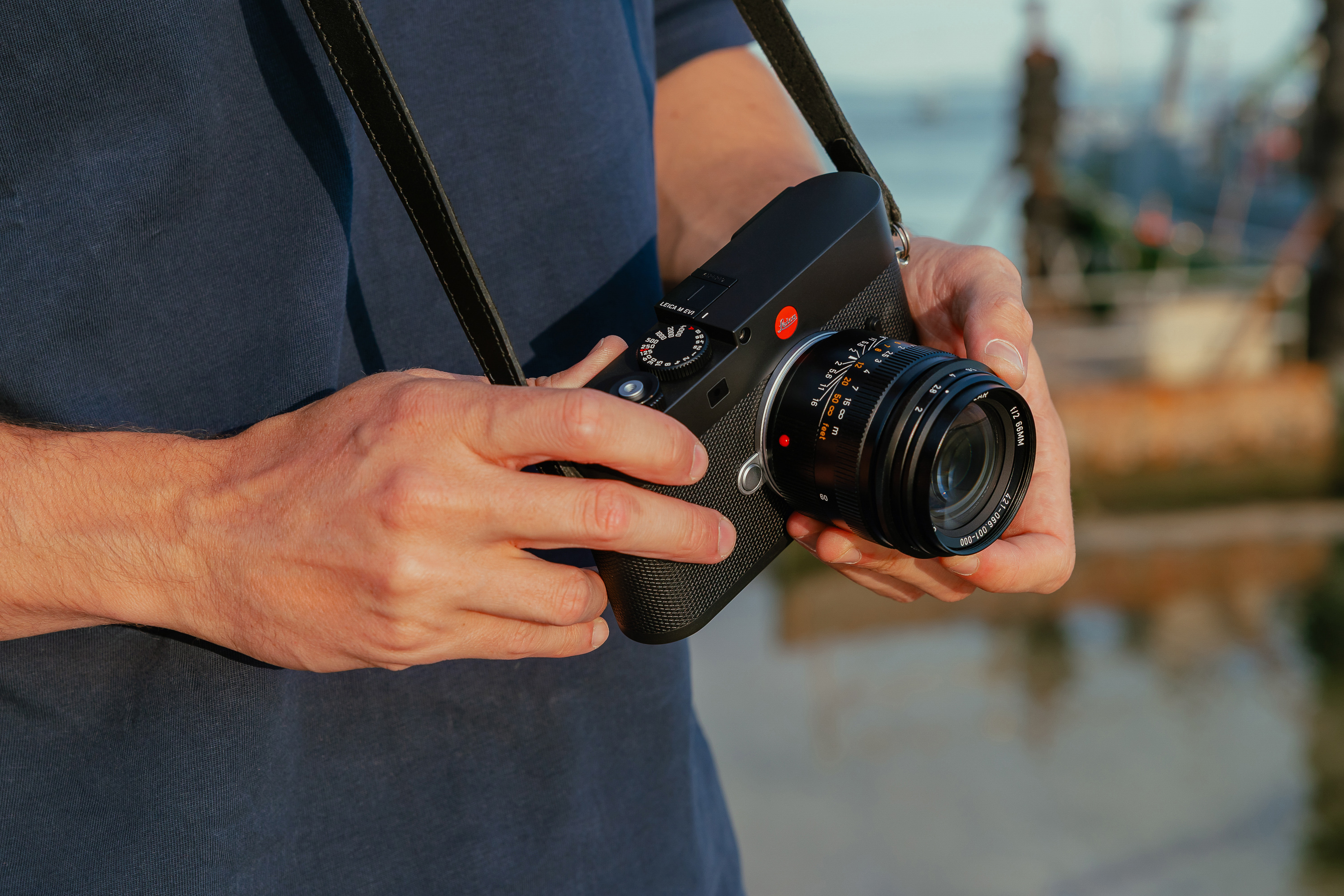
Historical accounts also suggest that equipment of this type found use beyond its original US Navy commission, among Western allied partners during the Cold War. Many Elcan 66mm f/2 lenses are also associated with the Leica KE-7A, the special military variant of the Leica M4. Together, camera and lens formed compact sets for discreet photography in situations where exceptional detail was essential.
The original sets were supplied with an instruction manual that explained how to destroy the camera and lens in the event of capture. Striking in retrospect, this detail reflects the sensitivity of the assignments for which the equipment was created, while the lens itself remains remarkable for the optical performance that made such use possible.
The new Summicron-M 66 f/2 continues this story and represents the first time that Leica is making this focal length available to all photography enthusiasts. While the optical design is based on the original, it has been optimised and adapted to meet today’s standards, just like the lens body. As with the Elcan, the Summicron-M 66 f/2 differs mechanically from standard Leica models: its aperture ring rotates in the opposite direction to that of standard M-Lenses, and the distance scale arrangement follows military specifications. The engravings are reminiscent of the original design and have been reinterpreted for the Summicron-M 66 f/2. Thanks to a visibly finer typeface, the new 66 mm focal length stands out from current Leica lenses.
The Summicron-M 66 f/2 range is being released in a limited edition of 660 units. The special serial number is engraved on the front ring alongside the optical calculation number B1047 and the 12-digit internal material number. This is similar to the original, which featured the production number and the initial calculation number C283, as well as the 13-digit US Navy order number, in the same position. Additionally, the ‘Leitz Wetzlar’ engraving on the front ring replaces the previous model name ‘Elcan’, which stood for Ernst Leitz Canada back then. Another stand-out detail is that the small, engraved number ‘60’ on the side of the lens indicates the exact focal length. This was customary for precision lenses at the time and is testament to the Leica factory’s precise manufacturing. In order to specify the focal length with the utmost accuracy, the digit before and after the decimal (without a decimal point) were also engraved on the lens. Therefore, the marking ‘60’ stands for a precisely measured focal length of 66.0 millimetres.
With a maximum lens speed of f/2, the Summicron-M 66 f/2 produces images with distinctive rendering, as do all lenses in the Leica Classic Line. This is characterised by the interplay of soft bokeh and high contrast. When stopped down, its original purpose becomes apparent: maximum resolution for clearly reproducing the finest details. With a focal length between that of the classic 50mm lens and longer portrait focal lengths, it offers a natural perspective and subtle image compression. This reinterpretation of a classic carries its own history into the present, capturing today’s moments in exceptional quality.
The Leica Summicron-M 66 f/2 will be available worldwide starting on September 3rd, 2026 at Leica Stores, on the Leica Online Store and from authorized dealers. The price of the lens is $10,900.00.
In November 2026, the Summicron-M 66 f/2 with serial number 001 will be auctioned at Leitz Photographica Auction in Wetzlar. As the first-numbered lens in the worldwide limited edition of 660 units, it holds a special position. The auction offers a unique opportunity to acquire this exceptional example of contemporary Leica history.
Leica Introduces Summicron-M 66 f/2 Limited Edition Homage to a Rare Cold War Spy Lens
Leica has introduced the Summicron-M 66 f/2, a limited-edition M-mount lens inspired by the exceptionally rare Elcan 66mm f/2 developed by Dr. Walter Mandler at Ernst Leitz Canada in the late 1960s. The original lens was created under a U.S. Navy commission for covert reconnaissance photography, with only around 200 examples produced. fairgo casino
The Leica Summicron-M 66 f/2 limited edition is an interesting example of how modern camera design can draw inspiration from a very unusual piece of photographic history. The connection to a rare Cold War-era spy lens gives the release an extra layer of character, especially for photographers who appreciate the stories behind classic equipment. It is fascinating how a relatively obscure piece of optical history can become the inspiration for a contemporary collector-oriented lens.
I also like when manufacturers preserve some of the visual and technical character of historic designs while adapting them for modern photographers. Limited editions can appeal to collectors, but they can also encourage people to explore the history of photography and the technology that came before today’s digital systems. In between reading about cameras and vintage optics https://vegastars-australien.net/ can be a simple way to take a short break and switch topics. The story behind this lens is almost as interesting as the lens itself.