
In 2025, the “Leica 100” celebrations crossed the globe, recognizing the first one hundred years since Leica production cameras were introduced to the market. With the focus on this centennial year, another major Leica milestone quietly slipped by, the 10th anniversary of the release of the modern, mirrorless, digital Leica SL system. Introduced on October 15, 2015, as Leica’s next generation technology, the Leica SL system has a much deeper heritage than just the last ten years of digital excellence.
Introduced in 1964 as a response to photographers seeking a more contemporary reflex-style camera from Leitz, the original Leicaflex film camera marked a decisive departure from Leica’s iconic rangefinders. Four years later, Leica refined this direction with the Leicaflex SL, developed under the direction of Heinrich Broschke, Werner Holle, and Werner Wiessner at Ernst Leitz Optische Werke in Wetzlar. The “SL” designation stood for Selective Light, referencing a new through-the-lens metering system that enabled more accurate, light-sensitive exposures. This innovation was not merely technical. It fundamentally changed how photographers engaged with light through the viewfinder, shaping a new way of seeing and visualizing photographs. The concept reached its ultimate expression with the more advanced Leicaflex SL2 in 1974. Nearly half a century later, when Leica introduced the digital SL system, it revived this Selective Light lineage, translating the same emphasis on clarity, precision, and visual immersion into a modern electronic viewfinder experience. Whether film or digital, Selective Light systems have had a profound influence on my creative life for more than thirty years.
The “SL” designation stood for Selective Light… Nearly half a century later, when Leica introduced the digital SL system, it revived this Selective Light lineage, translating the same emphasis on clarity, precision, and visual immersion into a modern electronic viewfinder experience.
My grandfather spent over forty years as an avid Leica photographer. During the last decade of his life, he collected and used every Leicaflex camera, lens, and most accessories of the Leicaflex SL system before tragically losing his eyesight. All his beloved cameras went into boxes and onto shelves where they sat untouched for nearly twenty years. Though I was too young to know him when he passed, I had the good fortune of growing up in a home where his long unused kit rattled in drawers and lurked in closets, waiting for me to discover them. I was oddly obsessed with these dusty icons but was told not to touch. My parents gifted me disc cameras, polaroids, and point and shoots of the day but those did not distract from my inexplicable curiosity about my grandfather’s cameras. I was unaware of what Leica was, but when I was alone, I pulled out those luminous glass lenses, peering through them with childlike wonder.
A high school film photography class changed all of that. I needed a camera for class, and my father begrudgingly handed me a heavy, careworn black camera from the shelf, my grandfather’s beloved Leicaflex SL2 with his name engraved on the bottom plate. It felt like he had handed me a pair of wings. Leicaflex SL2’s were known for their especially radiant viewfinders and through that looking glass I entered a new world of photographic learning and observation.
Despite an unceasing and growing passion for the craft, my father strictly forbade my getting a photography degree. My life went in other directions, but something was always missing. Strangely, I longed for my treasured Leicaflex SL2, once again sidelined on the shelf for nearly two decades, this time by my own doing. But with the digital revolution in photography and Leica’s new focus I was drawn back in.
Over the years, I have owned and used every modern Leica digital system, from the humble Digilux to the top-tier S, searching for the one camera, but always missed the magic of that old Leicaflex SL2. I had already been trekking and photographing in the Himalayas for a couple of years, trying different systems on each expedition, when in October of 2015, Leica released the digital mirrorless Leica SL. And again, I felt I had a new set of wings. The brochure promised “Anyone looking through the EyeRes viewfinder of the SL can see it: the future of photography.” The modern SL system was marked by its stunning integrated electronic viewfinder, rugged weatherproof body, better-than-prime zooms, and reduced weight (compared to the S) that made it an ideal tool for work in the Himalayas. Each expedition challenged me to push both myself and the SL to our limits, with the camera quickly becoming my trusted go-to in everyday and expedition life.
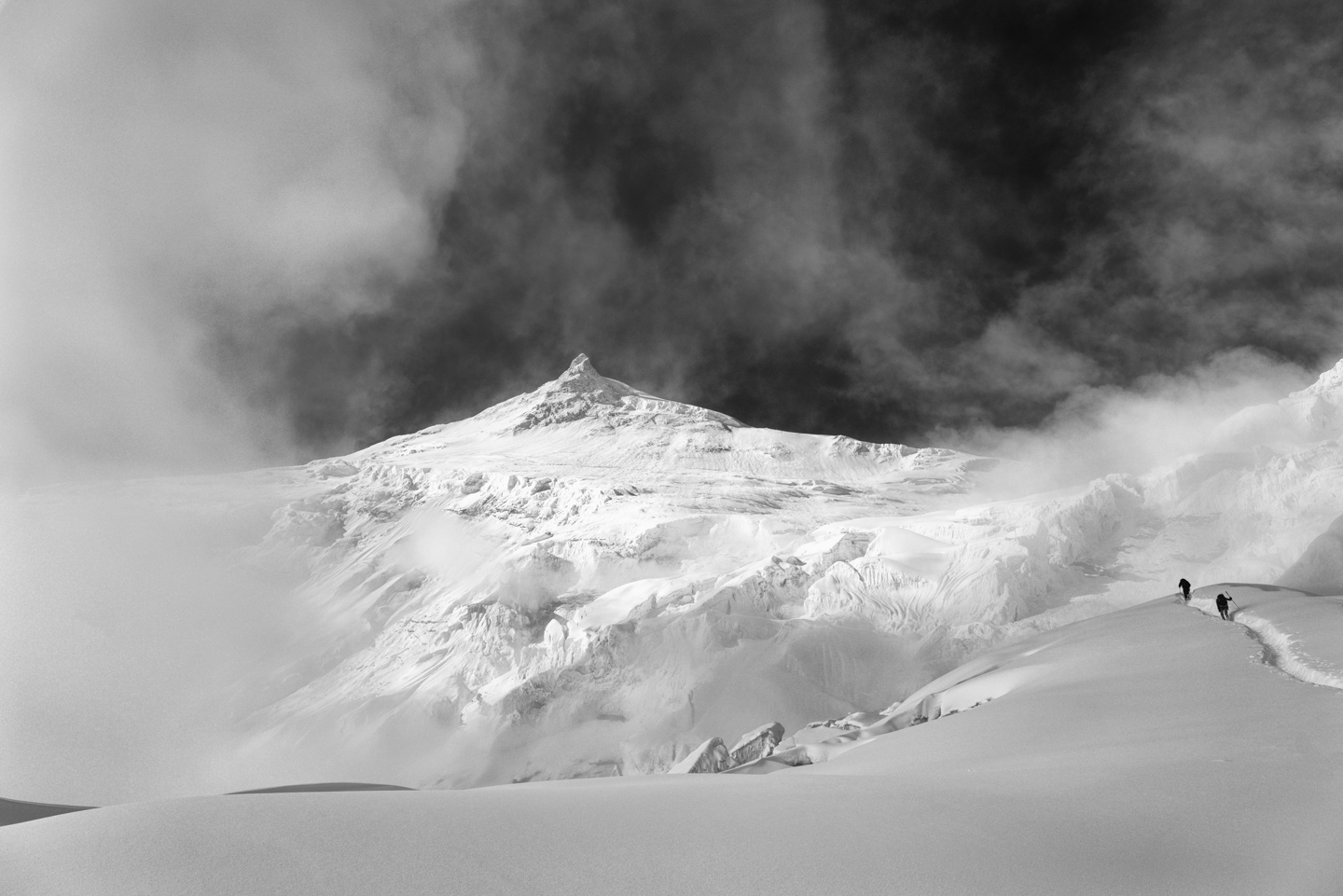
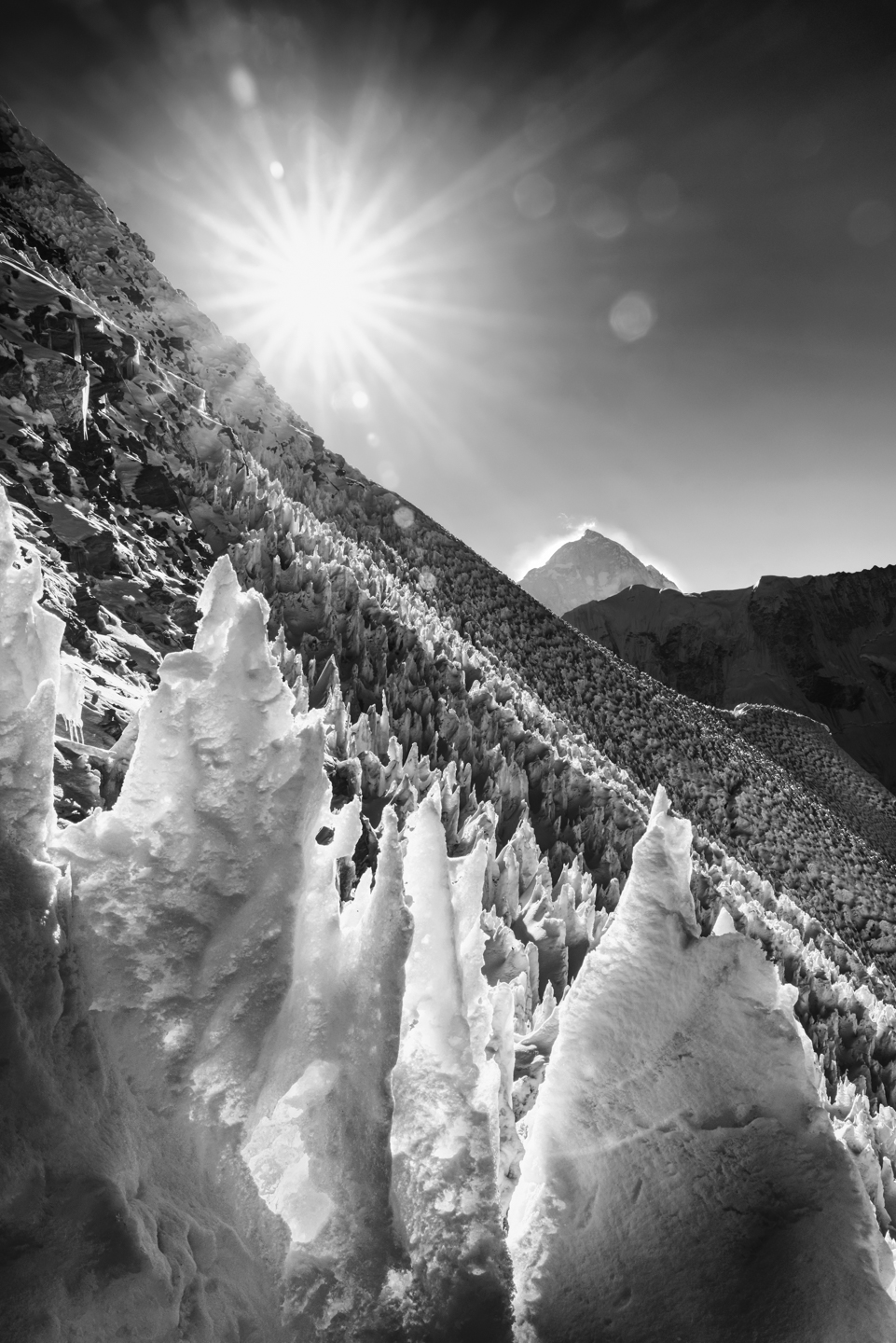
For the past decade, the Leica SL has been at my side for over two thousand miles trekking on foot in the Himalayas, crossing countless 18,000+ foot passes, and on technical climbs to 23,000 feet (beyond that elevation I switch to the Q). I have summited three Himalayan peaks with an SL. The cameras have performed admirably during weeks in -30-degree temperatures, days of 20-hour snowstorms, and being fully iced in the mountains, as well as soaked in monsoonal rainforest humidity at lower elevations. Leica cameras have accompanied me on the numerous mountains I’ve photographed, and summits reached in North America, Europe, Japan, and across the Himalayas. On high-altitude expeditions, I sleep with the SL and batteries next to my body to maintain a warm temperature in cold, low-oxygen tents. But none of my work in Nepal would have been possible without the support of expedition team members, Sherpa mountaineers, and my climbing partner, Pasang Lhamu Sherpa Akita, who repeatedly helped accommodate my all-hours photography in some of the most challenging and remote elevations on Earth. I am profoundly grateful for their support.
Each expedition challenged me to push both myself and the SL to our limits, with the camera quickly becoming my trusted go-to in everyday and expedition life.
For the past decade, the Leica SL has been at my side for over two thousand miles trekking on foot in the Himalayas, crossing countless 18,000+ foot passes, and on technical climbs to 23,000 feet.
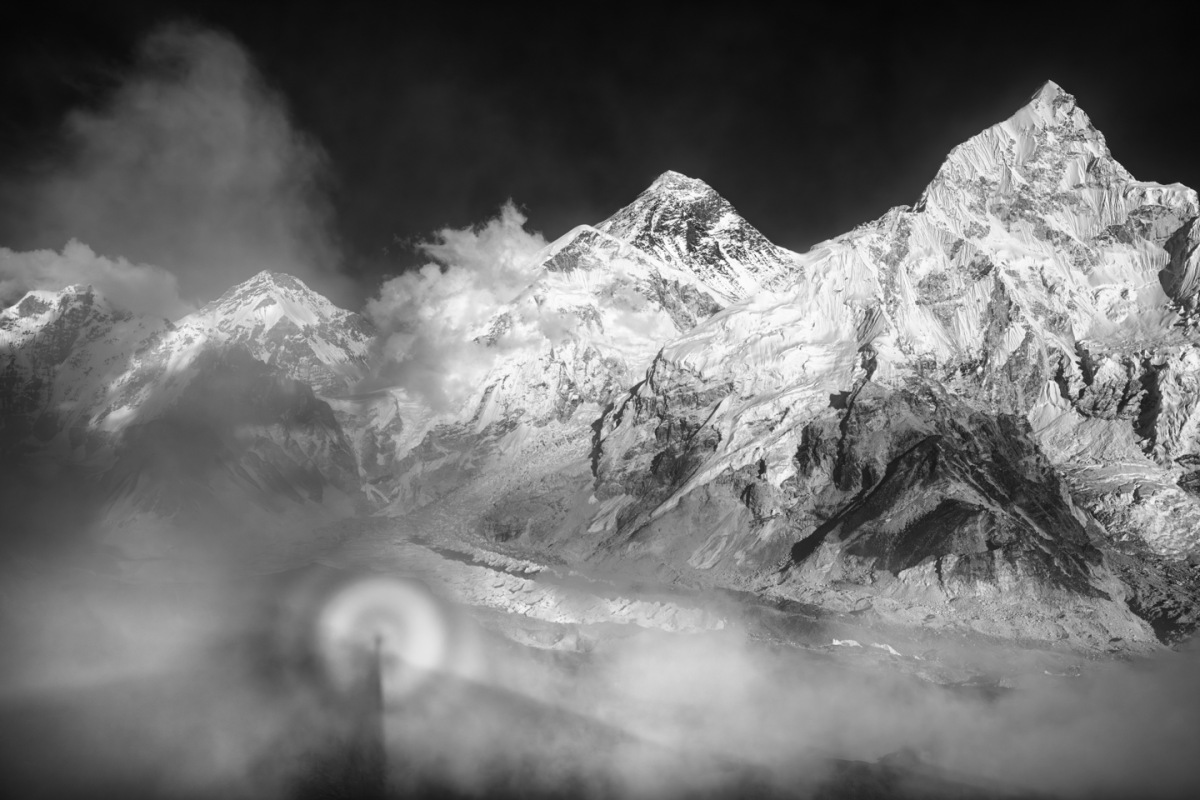
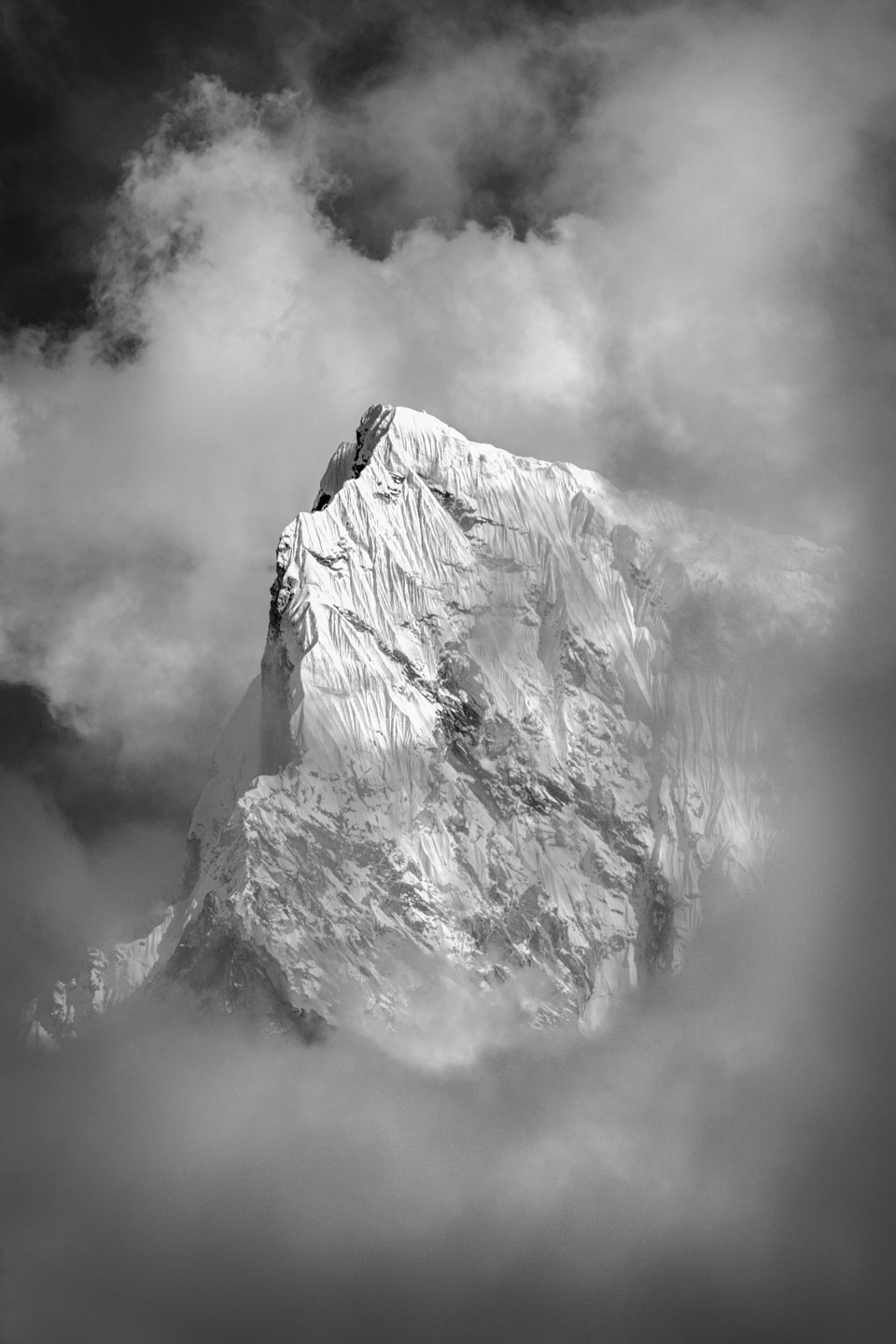
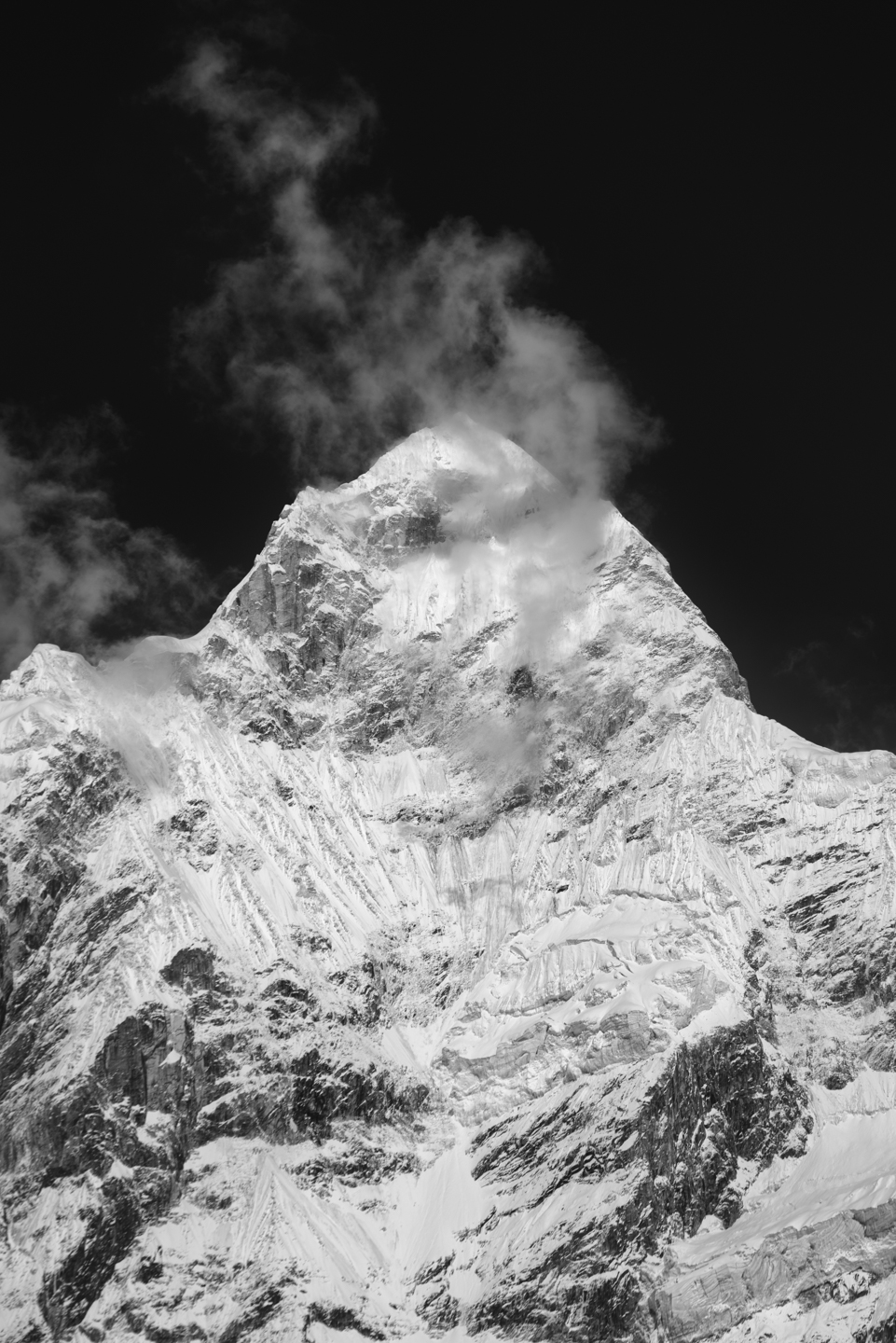
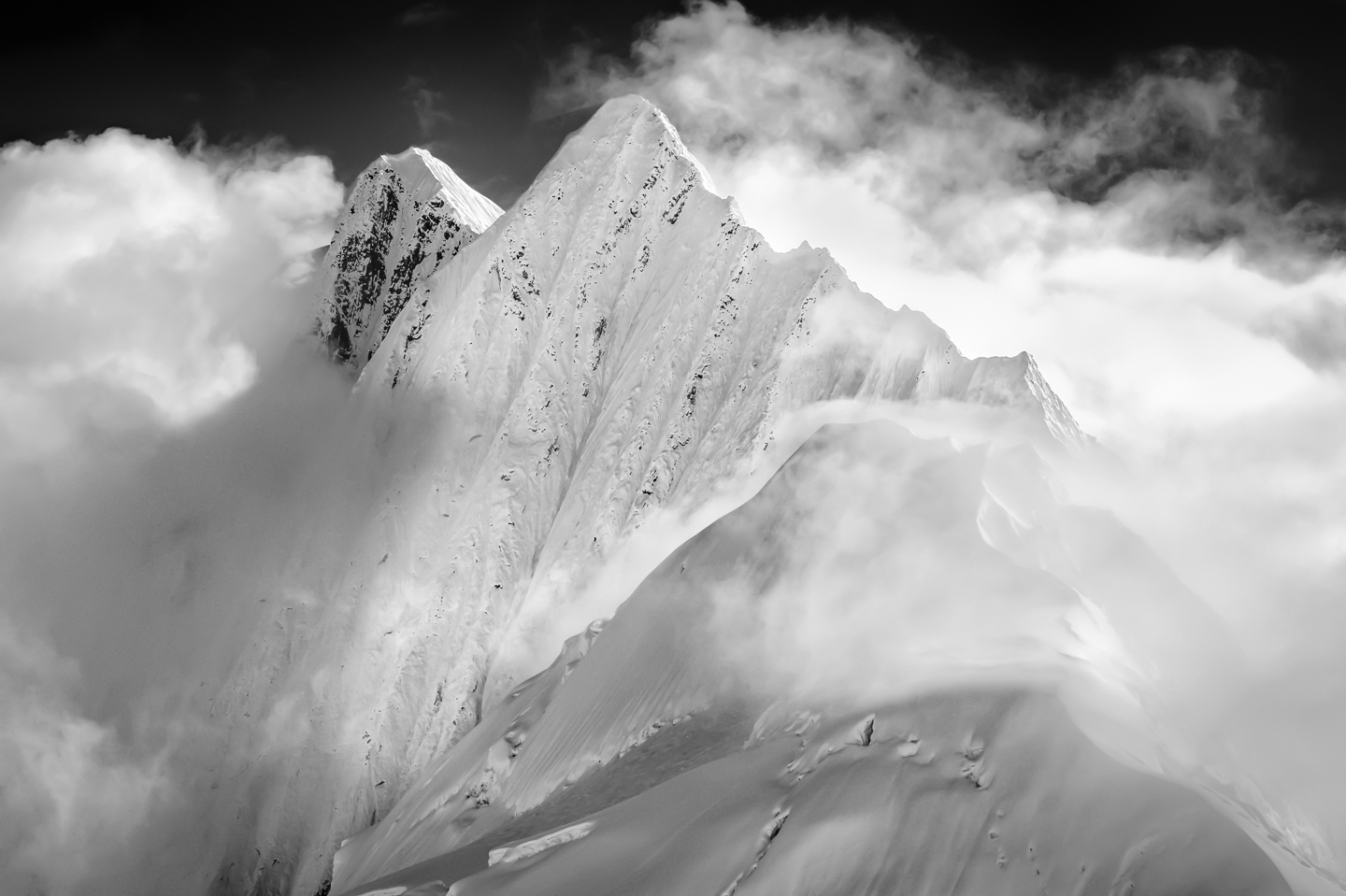
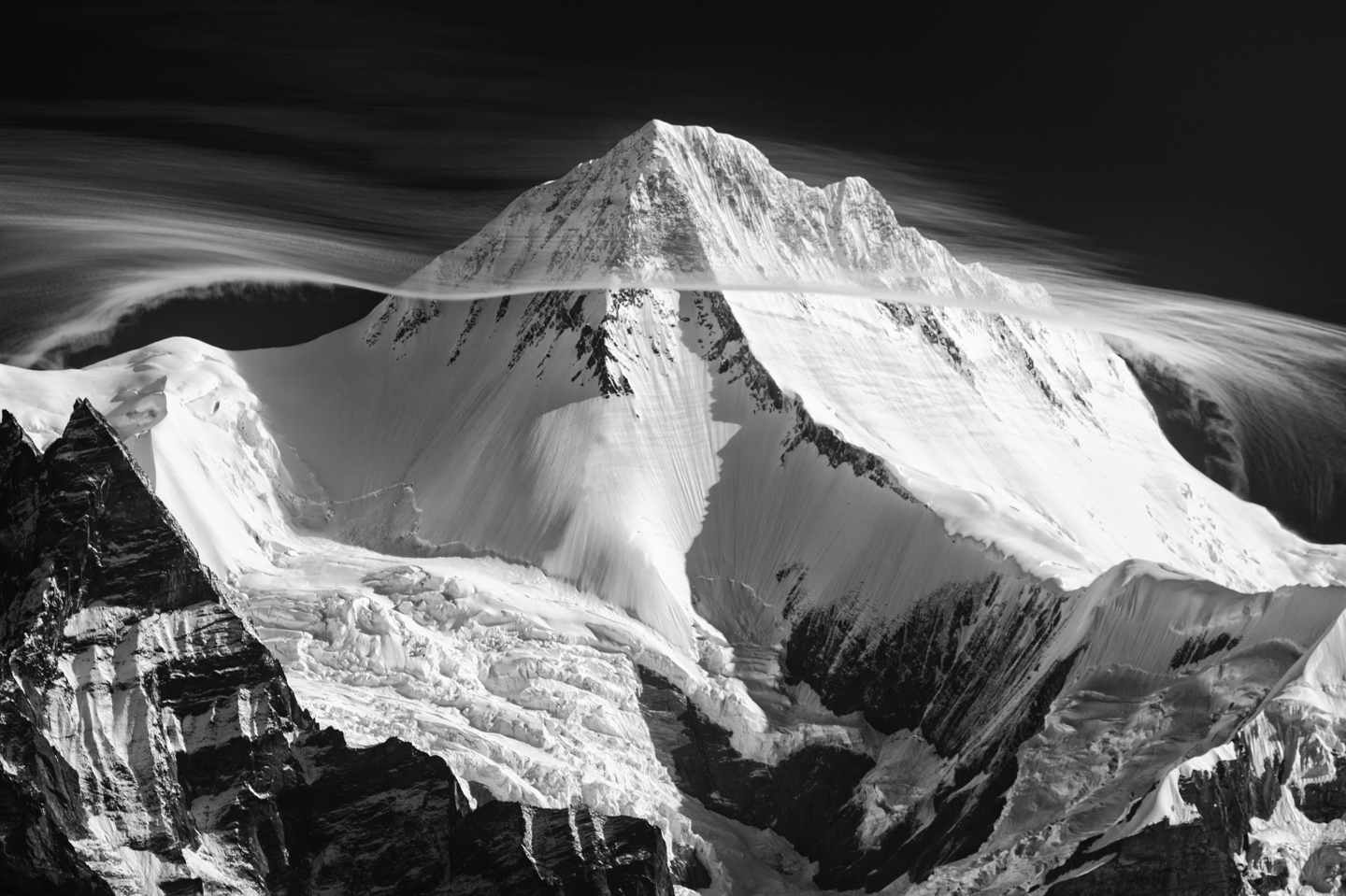
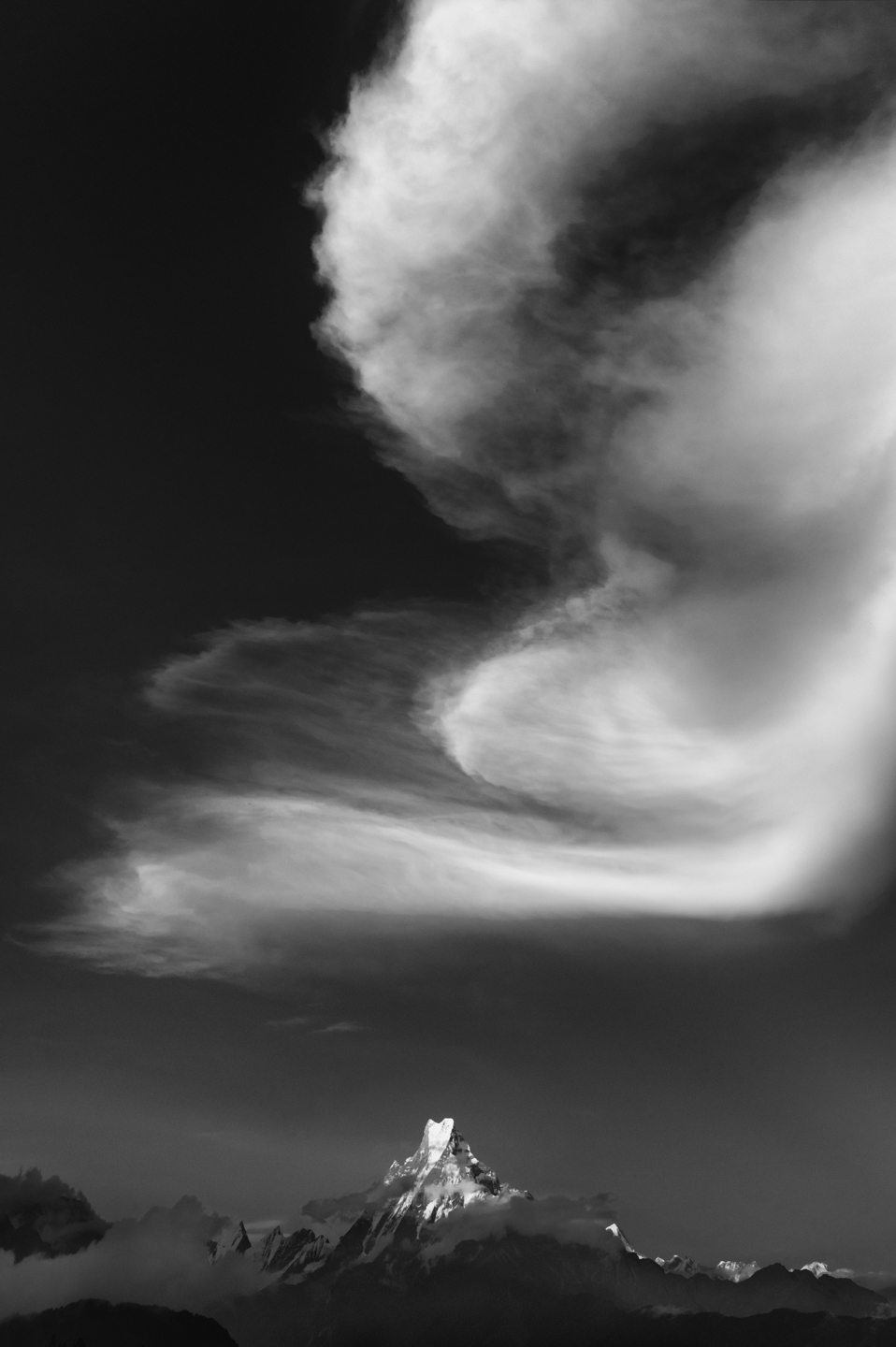
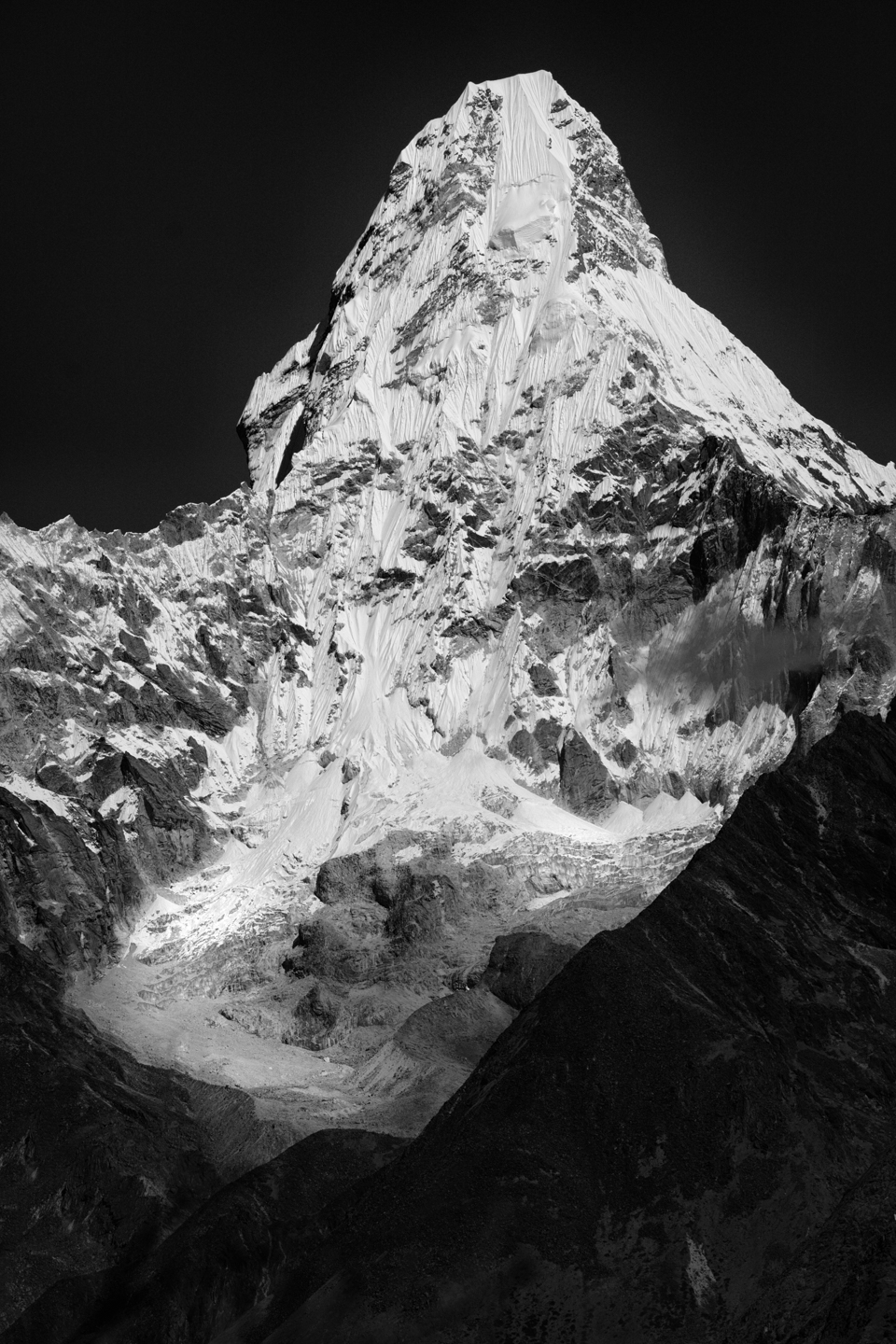
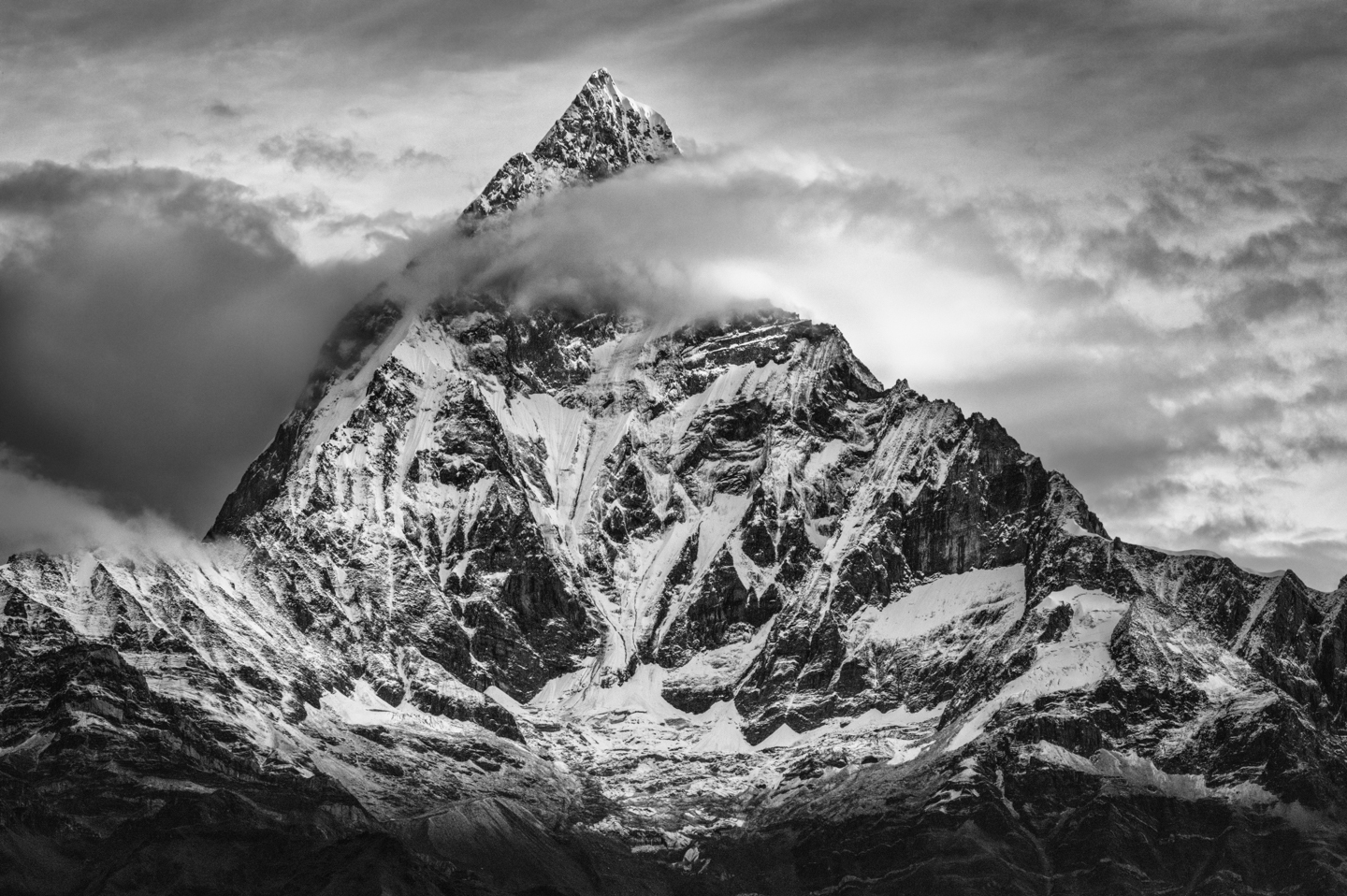
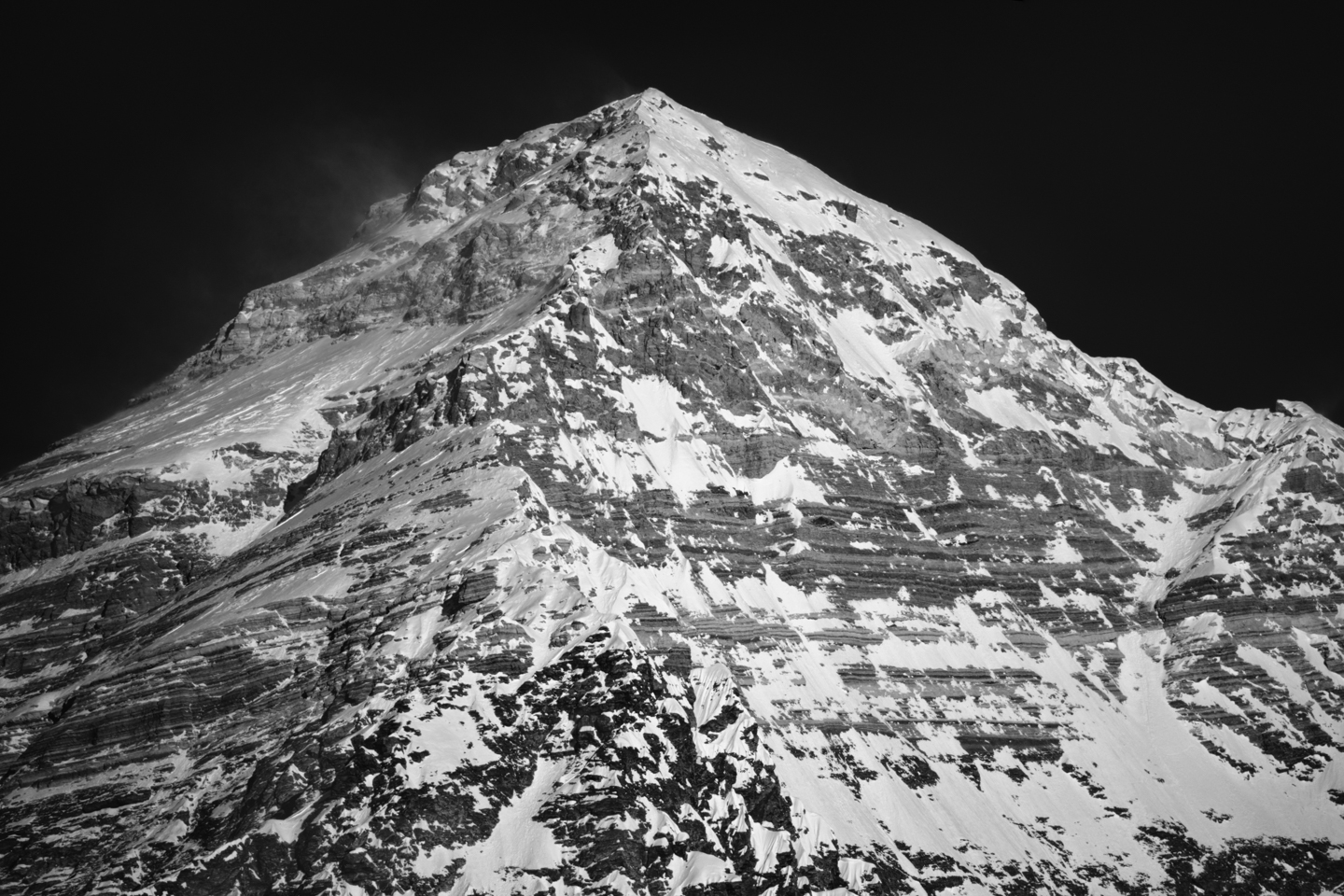
To date, there have been three iterations of the current SL system, the Leica SL (Type 601) introduced in 2015, the SL2 released in 2019, and the SL3 announced in 2024, plus the video and low-light centric SL2-S and SL3-S variants. The Leica SL can be adapted to use a century of Leica lenses ranging from the luminous Berek-designed Leitz LTM (Leitz Thread Mount) lenses, to the rich contrast of the Mandler-designed M and R optics, lightweight autofocus TL glass, the stunning weather-resistant SL system lenses, and S lenses with their lush medium-format rendering. This range of lenses enables endless creative possibilities, while the high resolution of SL sensors offers an always-reliable platform for images with truly exceptional dynamic range. I still regularly use my grandfather’s well-loved R lenses and encourage SL users to explore the extensive history of Leica lenses alongside the cutting-edge lenses of the SL system. Whether using vintage or modern glass, I most appreciate the SL’s sensitive rendering of light. “Selective Light” lends itself to capturing the sublime. A Cambridge University article offers this definition of sublime, “The paradox of the sublime arises in situations where we experience pleasure in response to something that is also found to be overwhelmingly powerful or terrifying.” This is a feeling often felt in the otherworldly realms over 20,000 ft. After using every flagship Leica camera, I’ve found that the SL system has a unique capacity for capturing images that evoke the sublime in nature, including personal dream shots like the nuances of a massive parhelion in the sky over Everest as seen in the image above.
Current weather patterns of the High Himalayas create months of thick clouds and smoggy pollution with brief moments of sublime beauty. These fleeting moments are often so ephemeral the camera captures more detail than the eye can observe. Physical suffering and extreme conditions are a norm on many expeditions. Photographing despite the challenges of exhaustion, frostbite, or oxygen depletion is just the beginning. Having a seamless, reliable system gives you confidence as you bridge the gap between ever-present obstacles and capturing an impactful image.
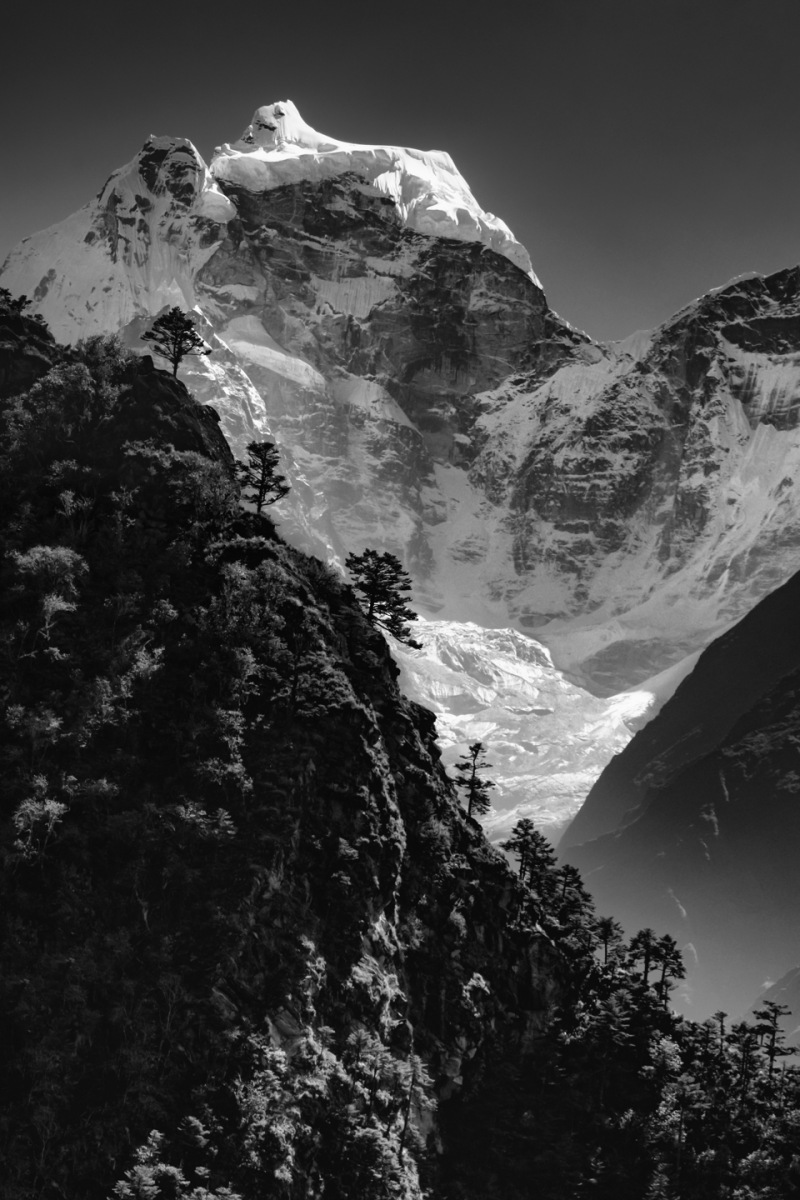
Through difficulty there is also transcendence – according to local customs and international beliefs, the Himalayas are seen as the dwelling places of powerful deities. The mountains are ringed with shrines, prayer flags, monasteries, remote retreats, and filled with acts of reverence. As impersonal as the rocks and ice may seem to some, the peaks literally resound with natural spirit and human spirituality. Over the past decade I have used the SL to create images to serve humanitarian causes, to honor the people’s enduring perseverance and to raise cultural awareness. The SL has been an admirable companion in these experiences as well, capturing the radiantly weathered faces of monks and nuns, the devotion of mothers praying for their families and the flicker of butter lamps on unrestored temple walls bearing ancient frescoes of the gods and goddesses who dwell in the mountains.
Though it is a piece of technical camera gear, the Leica SL experience has been deeply personal and profoundly inspiring for over thirty years. From my grandfather’s Leicaflex SL2 to a decade of the current digital system, the SL has allowed me to push higher and harder as an artist and endurance athlete. One of the single most surprising moments of sublime light occurred at nearly 19,000 ft elevation when my own shadow cast on fog thousands of feet below, with Everest rising in the distance. This light phenomenon, known as a brocken spectre, happened while I was framing a photo of the Everest massif and was so ephemeral I felt lucky to have six frames of this rare moment, each a little different, each a tribute to the SL and to experience it brings to life and photographic art.
Though it is a piece of technical camera gear, the Leica SL experience has been deeply personal and profoundly inspiring for over thirty years. From my grandfather’s Leicaflex SL2 to a decade of the current digital system, the SL has allowed me to push higher and harder as an artist and endurance athlete.
“Sublime Light” – A Decade Photographing in the High Himalaya
Celebrating the Leica SL
On Display at the Leica Store Miami Gallery from December 2025 – February 2026
If you would like to see more of Cira's work, please visit:
https://ciracrowell.com/
@CiraCrowell
@LeicaCrush
@dreammountainfilm

Leave a Reply