
Today, August 19th, is World Photography Day, marking the day in 1839 that one of the earliest forms of photography and the first to be publicly available was announced: the Daguerreotype.
Over the last 187 years, we’ve come a long way from tediously coating metal plates. Each generation of photographer has had a new challenge – from Barnack’s dream to build a “kleinfilmkamera” small enough to fit in your pocket to the dawn of AI in the modern era. Photography is a constantly changing art and it rewards those always willing to learn something new.
In honor of World Photography Day, our team is sharing the lessons they’ve learned along the way, from waking up before sunrise in Uzbekistan to a wasted roll of film in Central Park. Some are technical, some are personal, all are proof that the learning never really stops.
There is always something new to learn.
by Kirsten Vignes Martin | kirsten@leicastoremiami.com
Kirsten Vignes Martin has been with Leica Store Miami since 2012. After working as a Leica Specialist in our Coral Gables Store for 7 years, she moved back home to Minneapolis and began working remotely as our full-time marketing manager. Kirsten also leads several of our workshops and serves on the board of Leica Society International. When she’s not doing Leica things, you can find her paddling one of Minnesota’s 10,000 lakes, hiking with her husband, or playing trivia at a local dive bar.
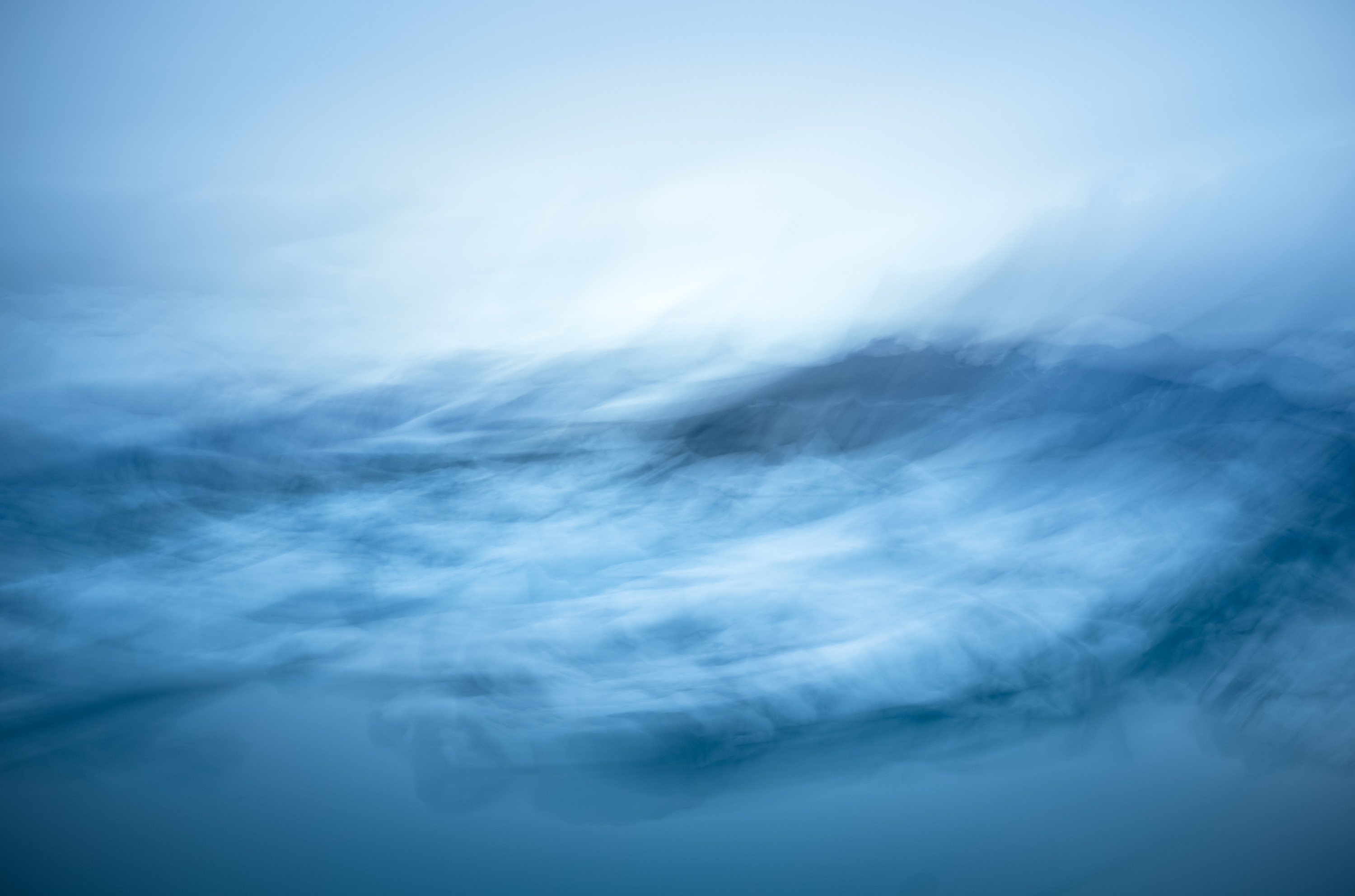
During our Summer 2022 Iceland workshop, things got a little unhinged. It was one of the last days of the trip, and dusk was settling in over the Jökulsárlón glacier lagoon. We had all captured our postcard-perfect shots with our sharp, shiny Leica lenses, but we weren’t done shooting just yet. One by one, like cranes beginning a dance, we started swinging and shaking our Leicas. Passersby looked on suspiciously. Were we hosting a silent rave? Performing a ritualistic dance to the photo gods?
We were practicing Intentional Camera Movement (ICM), a technique where you slow down your shutter speed and deliberately move the camera during the exposure. Panning, shaking, twisting, and zooming in and out can all create unique patterns and effects in-camera.
We were inspired by our photo guide, Brynjar Agustsson. I tell anyone thinking about signing up for a photo trip to take a workshop with Brynjar. He’s an incredible photographer and an even more incredible teacher and wonderful human.
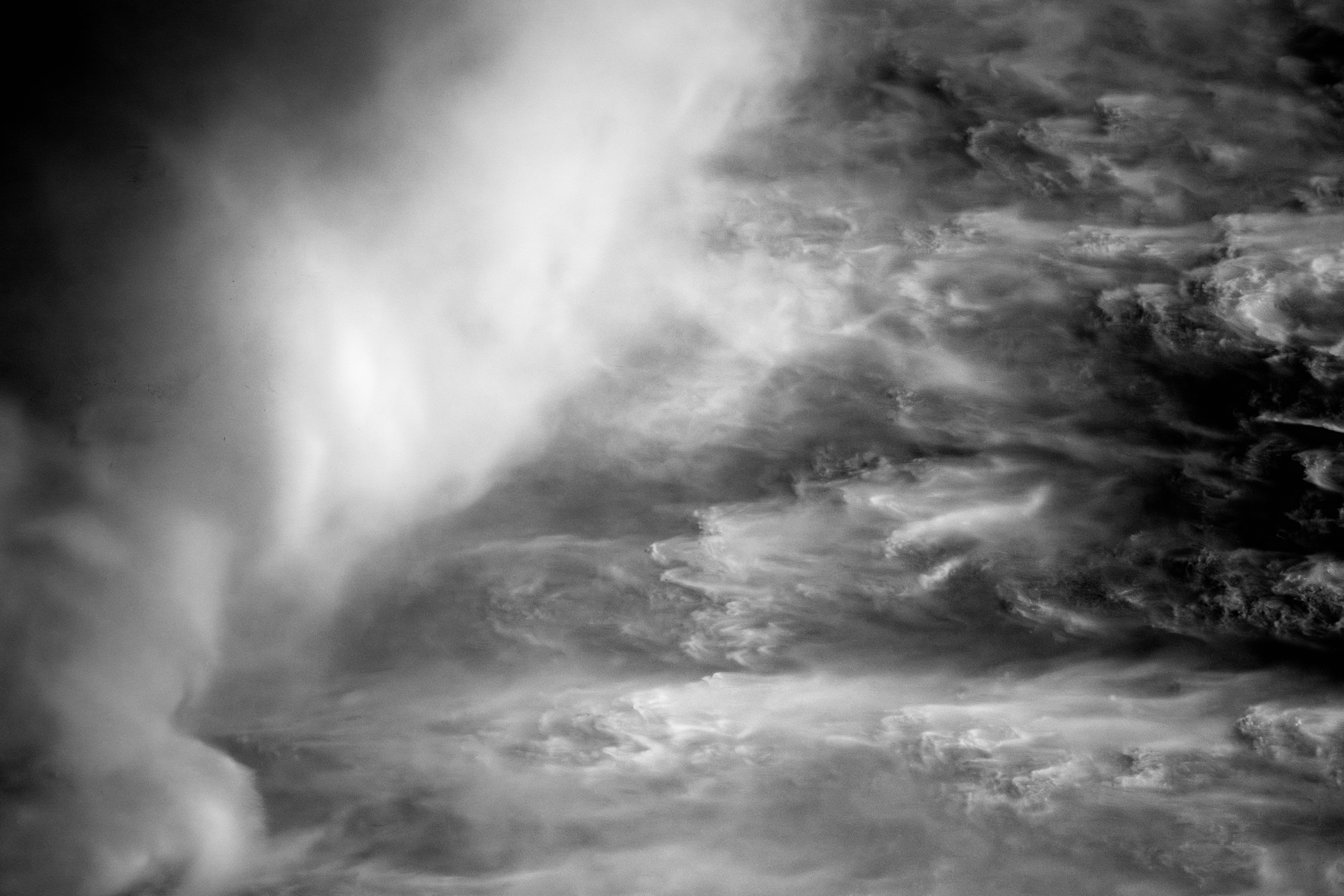
Before this trip, I felt stuck in a creative rut with my photography. But during that week in Iceland, I learned to see things differently and approach photography from a new angle (pun intended). We’d arrive at a location and photograph the landscape with tripods, careful compositions and tack-sharp focus, all the things we were taught to do. But then we learned to look closer. Zooming in, waterfall mist became beautiful abstract black-and-whites. Thrown out of focus, sunlight glistening off a creek turned into a Monet. And with a slow shutter and a little movement, the glacier lagoon transformed into something ethereal.
One of the things I love about photography is that even after 20 years of shooting, there is always something new to learn. Sometimes all it takes is a new technique, a different perspective, or someone encouraging you to break the rules you’ve spent years learning. You don’t need a fancy Leica or the most expensive lens (although those are nice to have!). With a little creative thinking and a willingness to experiment, even a familiar subject can become something entirely new.
To know your subject is to honor them.
by Brandon Woods | brandon@leicastoremiami.com | @woods.bm
Brandon Woods is the newest member of the Leica Store Miami team. Having lived in Asia and the Caribbean before moving to the States, Brandon brings a global perspective to his work. With a background as a freelance Director of Photography, he continues his pursuit of storytelling and cultural significance—always with a Leica in hand.
Over the years, I’ve had the privilege of making repeat visits to the woodworking district in Antigua, Guatemala, where one family of woodworkers has been practicing their craft for decades. I had photographed the district many times, drawn to the textures, tones and character of the environment, always consumed with the idea of finding “that one photo.”
But on my third visit, instead of chasing compositions, I started asking questions about the family and their craft.
Through conversation, I learned that their woodworking tradition stretched back four generations. The father would travel into the mountains in search of specific woods depending on what they were creating. The sons and daughters would sand and polish, while the mother would paint and design. The more we talked, the more open they became.
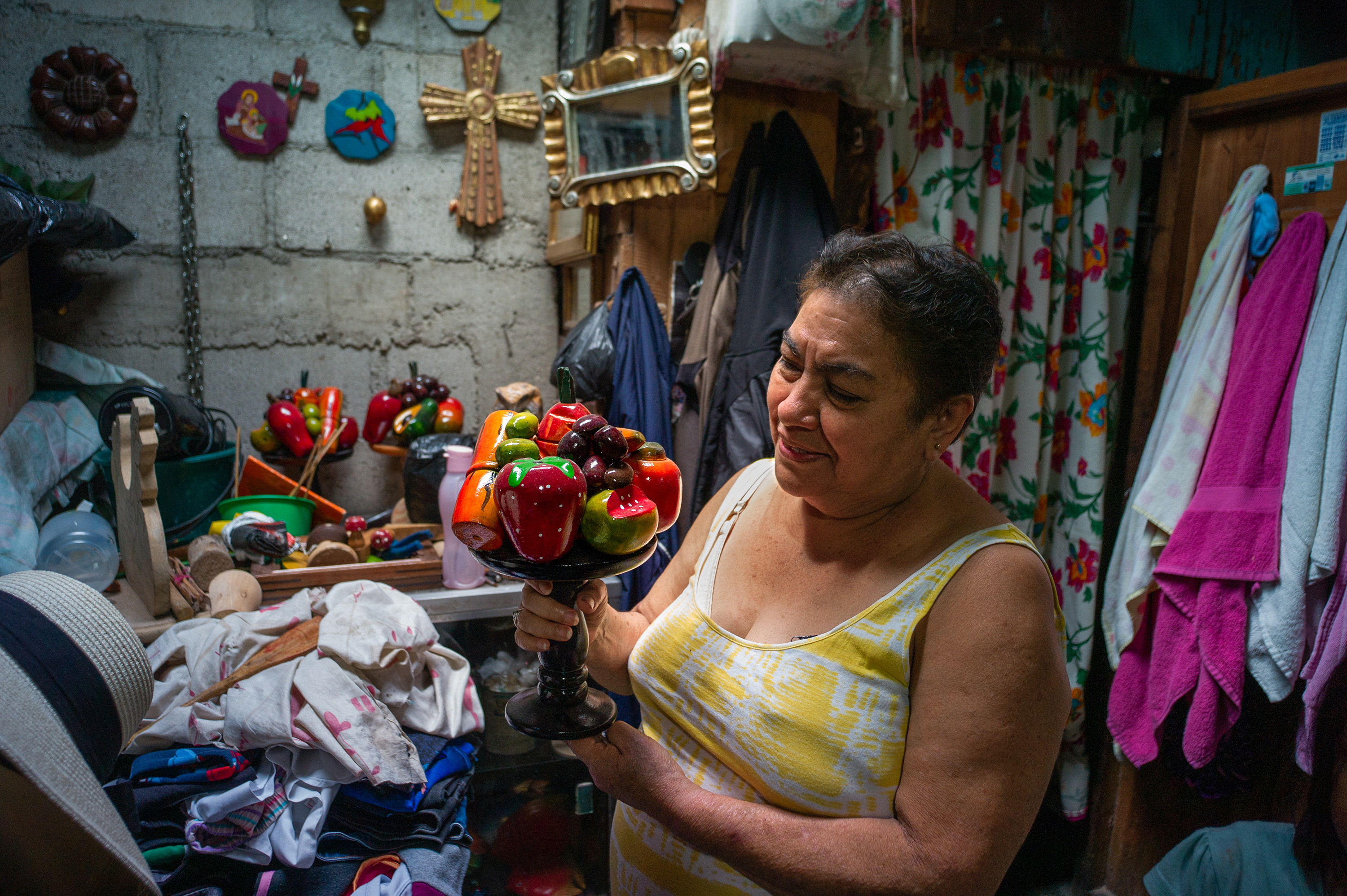
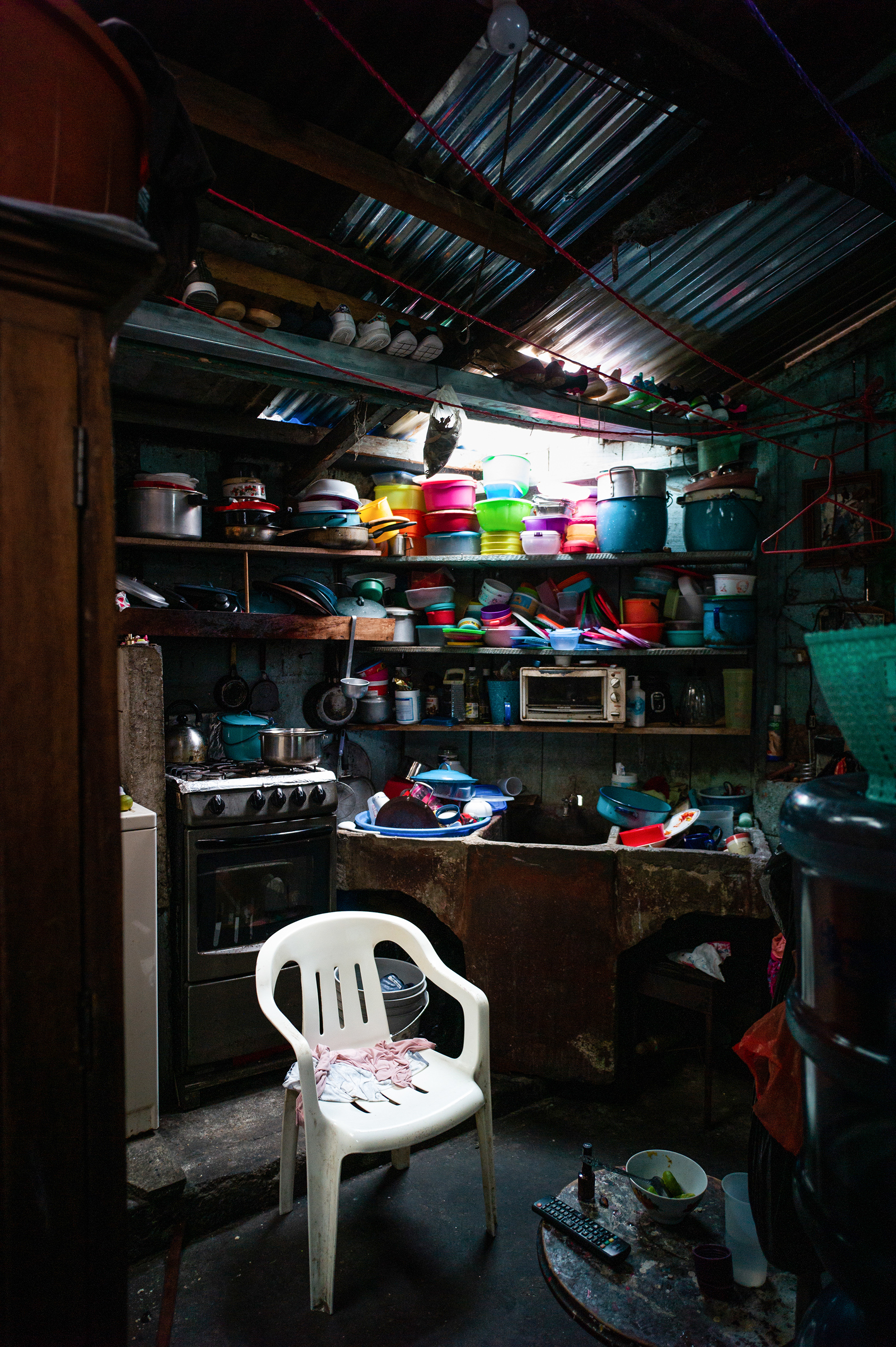
Eventually, they invited me into their home, tucked away behind the storefront. Stepping through a curtain, I suddenly found myself in their living quarters. The mother proudly showed me one of her latest finished pieces, a basket of wooden fruits freshly polished by her daughter, who stood shyly beside her. She showed me their handmade tools, stored in the kitchen where this family of seven kept much of what they owned.
And there, I found the photograph I had been searching for.
It was an image with context and meaning, a glimpse of everything important to this family beyond the curtain. It was also a photograph that had been unavailable to me on every previous visit. I could have walked through the district a hundred times looking for the perfect composition and never made it. The picture only became possible after I stopped searching for it and took the time to understand the people in front of my camera.
Photography is a form of visual storytelling, but a compelling image needs more than something interesting within the frame. It needs context. It needs a reason for being made. The better I understand the people I photograph, the better chance I have of recognizing what matters and conveying that through an image.
That experience taught me to take a genuine interest in my subjects before asking them to become part of a photograph. Learning who they are, what they do and what matters to them doesn’t just build trust. It changes what I see.
To know your subject is to honor them. And sometimes, taking the time to know them is what allows the real photograph to reveal itself.
Beat the Crowds. Find the Shot.
by Peter Dooling | peter@leicastoremiami.com
Peter Dooling has been with Leica Store Miami since 2012 and heads up the Leica Photo Workshops Program, planning and leading workshops around the globe. He was born in Philadelphia and received degrees in Geography and Philosophy from Pennsylvania State University. He fell in love with photography as he traveled the world while working for United Airlines and it has been his passion ever since. When he’s not helping people improve their photography in exotic destinations, he’s spending time with his wife, two daughters, and Goldendoodle in Carrboro, North Carolina.
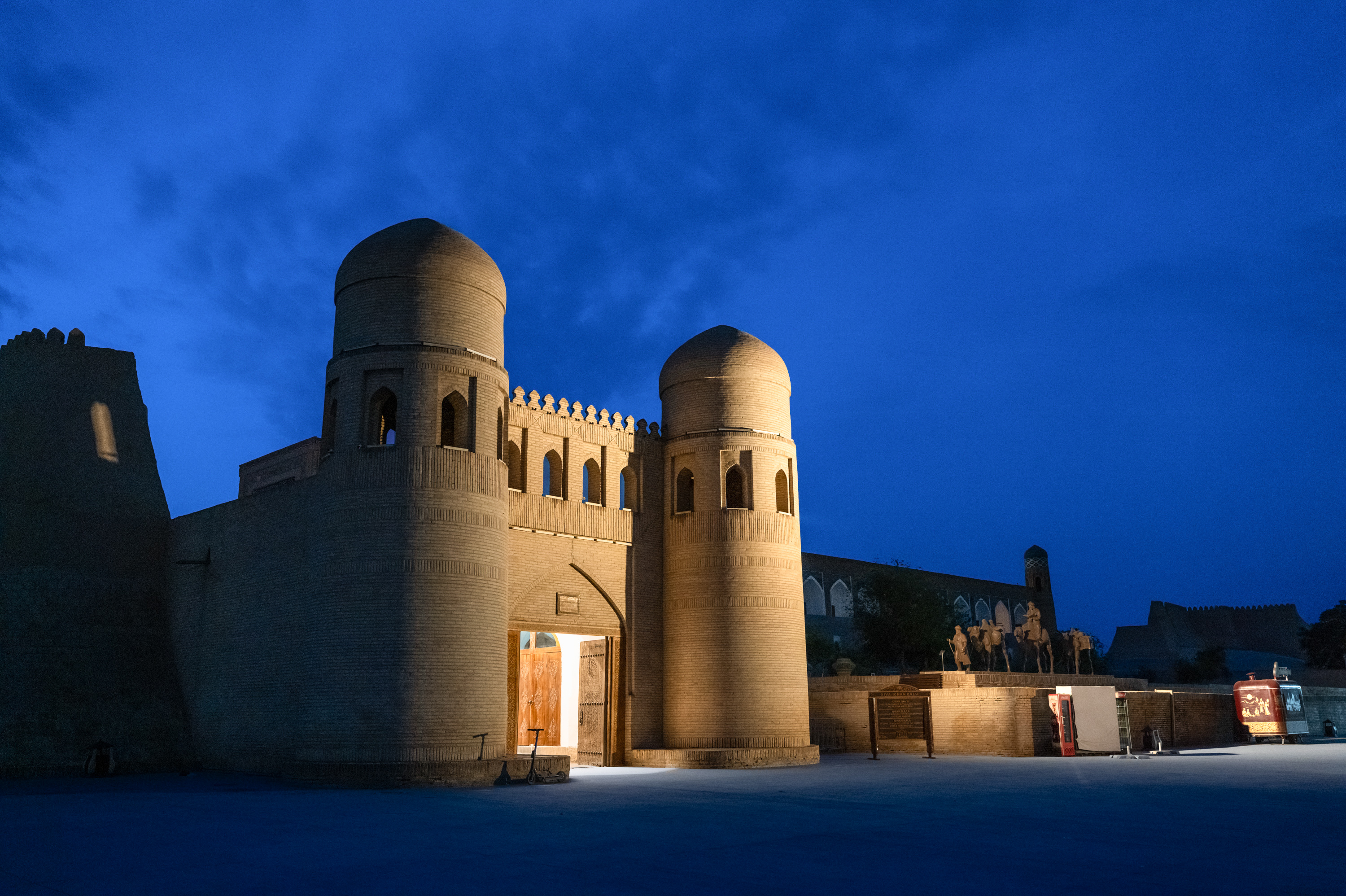
There’s a version of every great destination that most visitors never see. Not because it’s hidden, but because it exists only in a narrow window before the world wakes up. Landscape photographers know this well, but travel photographers often miss the opportunity.
I learned this on a recent Leica Photo Adventure to Uzbekistan. Khiva’s ancient walled city is extraordinary, with mud-brick streets, towering minarets and ornate tile work that feels unchanged for centuries. In high season, it’s also full of tourists. By mid-morning, every iconic viewpoint has someone standing in it.
So we started setting our alarms earlier.
Before sunrise, the city was mostly ours. The streets were quiet, the air was cool, and the light was something a midday photographer would never encounter. Without the crowds, I could slow down, explore compositions and experience the city in an entirely different way.
The lesson is simple: know when the crowds arrive and be there well before they do. Usually that means a pre-sunrise alarm and a walk through dark, unfamiliar streets. It may feel uncomfortable at first, but that discomfort has a way of sharpening your senses.
The best travel images rarely happen at noon. They happen when you’re willing to show up before anyone else.
Sometimes less is more… but sometimes, more is more.
by Colin McKinley | colin@leicastoremiami.com
Colin McKinley has been part of the Leica Store Miami team since 2016, planning and guiding Leica Photo Adventures across the US and around the world. Originally from Boston and now based in Denver, he specializes in adventure photography, landscapes, astrophotography, and music photography. When he’s not leading photo trips, you might find Colin hiking, climbing, or skiing in the Rocky Mountains of Colorado, or dancing under the stars at Red Rocks Amphitheater.
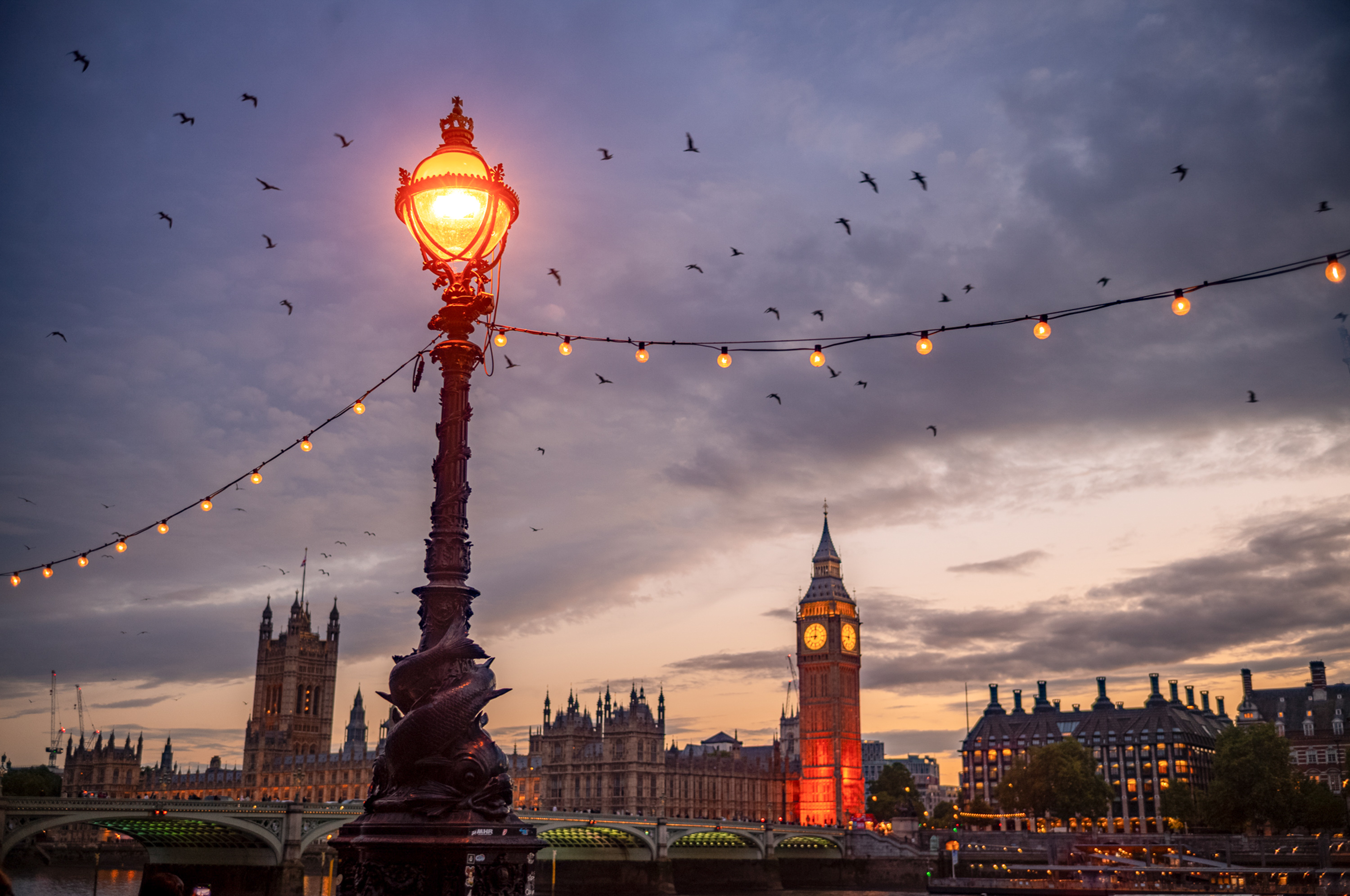
Some situations call for simplicity, while others really do benefit from bringing a full kit.
Some situations call for simplicity, while others really do benefit from bringing a full kit.
When I began my photography career shooting in the music industry, a simple setup with one body and one 50mm lens could cover a lot of ground. From recording studios and small venues to backstage portraits and more, my trusty 50mm Summilux became the core of my photographic style. Free from the distraction of swapping lenses or cameras, I could become totally engulfed in the moment. My attention was focused on the music, the performers and the scene unfolding around me.
When I went to Europe one summer, I picked up a 24mm lens to cover wider shots and general travel photography. It was refreshing to discover a new perspective, and my kit was still minimal, just slightly less so.
The big change came when I moved to Colorado and got more serious about landscape photography. Suddenly, having more options mattered. I filled my bag with weatherproof zoom lenses covering everything from 16mm to 280mm. The 24-90 became my standard go-to, with the 16-35 for wide-angle shots and the 90-280 for compressing distant landscapes. I added a wide-angle prime for astrophotography and a collection of ND and CPL filters. Before I knew it, my kit was getting pretty serious. And for the kind of landscape photography I was doing, that was exactly what I needed.
But earlier this year, I found myself packing for a trip to London for the LSI Spring Shoot. After years of traveling with my landscape bag, I decided to leave it behind and bring just an M11-P and a 35mm Summicron, the original eight-element Version 1, full of vintage character.
The freedom I felt walking the streets of London with my M was a relief. It was wonderful to simply focus on the world in front of me instead of constantly thinking, “Is this a wide shot? Maybe I’ll put the tele on next…” My back and shoulders were also thrilled to lose the weight of the big backpack.
I thought back to the early days when I would leave for a gig with only one 50mm lens. Perhaps I had more figured out than I gave myself credit for at the time.
The lesson isn’t that less gear is always better. And it certainly isn’t that carrying more gear will result in better photographs. It’s about knowing yourself, understanding the type of photography you’re going to be doing, and to pack accordingly.
Sometimes the right kit is a backpack full of lenses, filters and accessories. Sometimes it’s one camera and one lens.
The trick is knowing which one you need.
Seeing and looking are not the same.
by Josh Lehrer | josh@leicastoremiami.com | @jalehrer7
Josh Lehrer has been with Leica Store Miami since early 2010, beginning his Leica journey less than a year after graduating from RIT with a photography degree. Since then, he’s developed a strong passion for Leica collectibles, using vintage glass on modern cameras, and memorizing Leica part numbers. When he’s not chasing supercars around, you’ll find him co-hosting Red Dot Forum Camera Talk on YouTube.
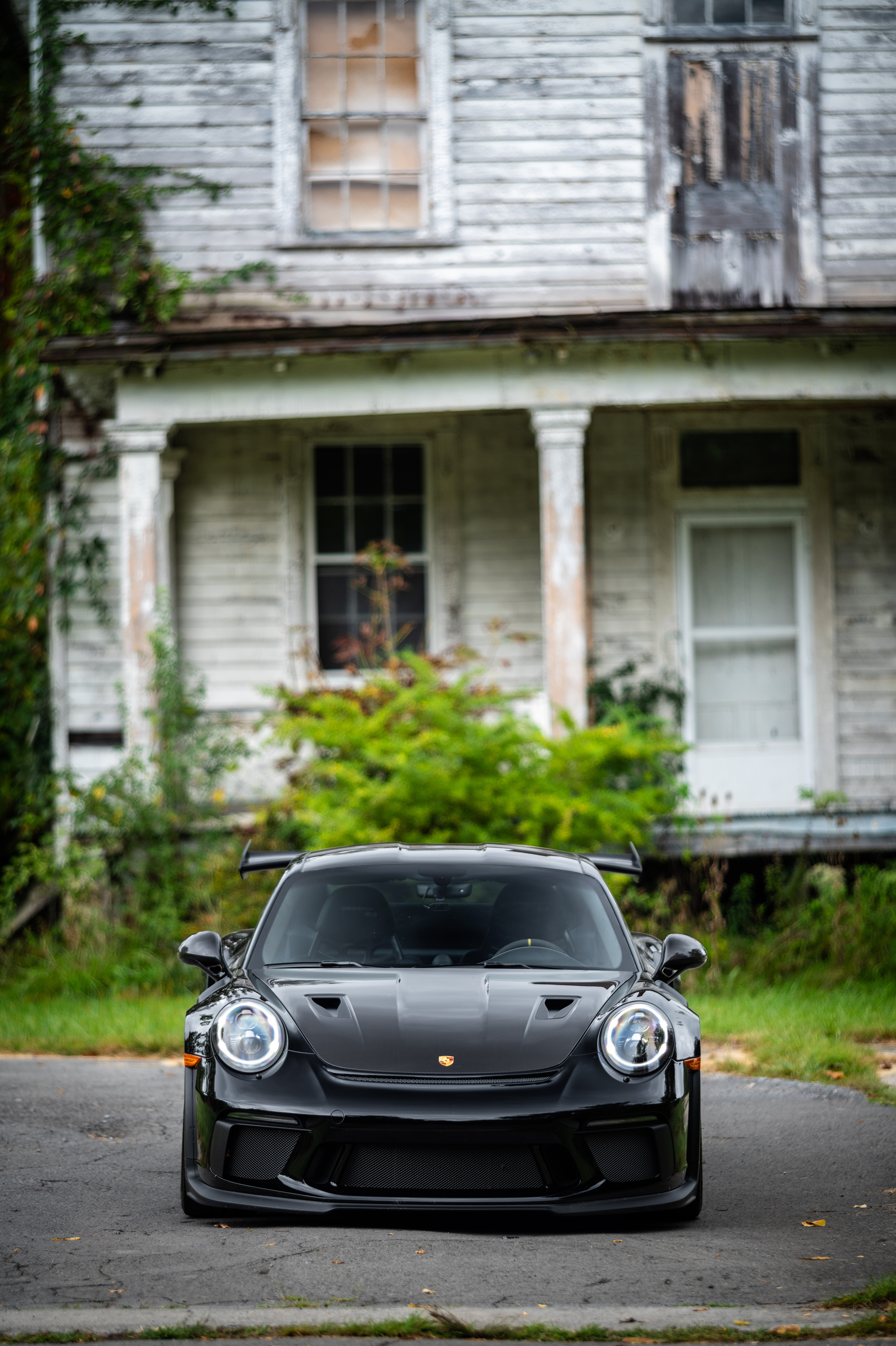
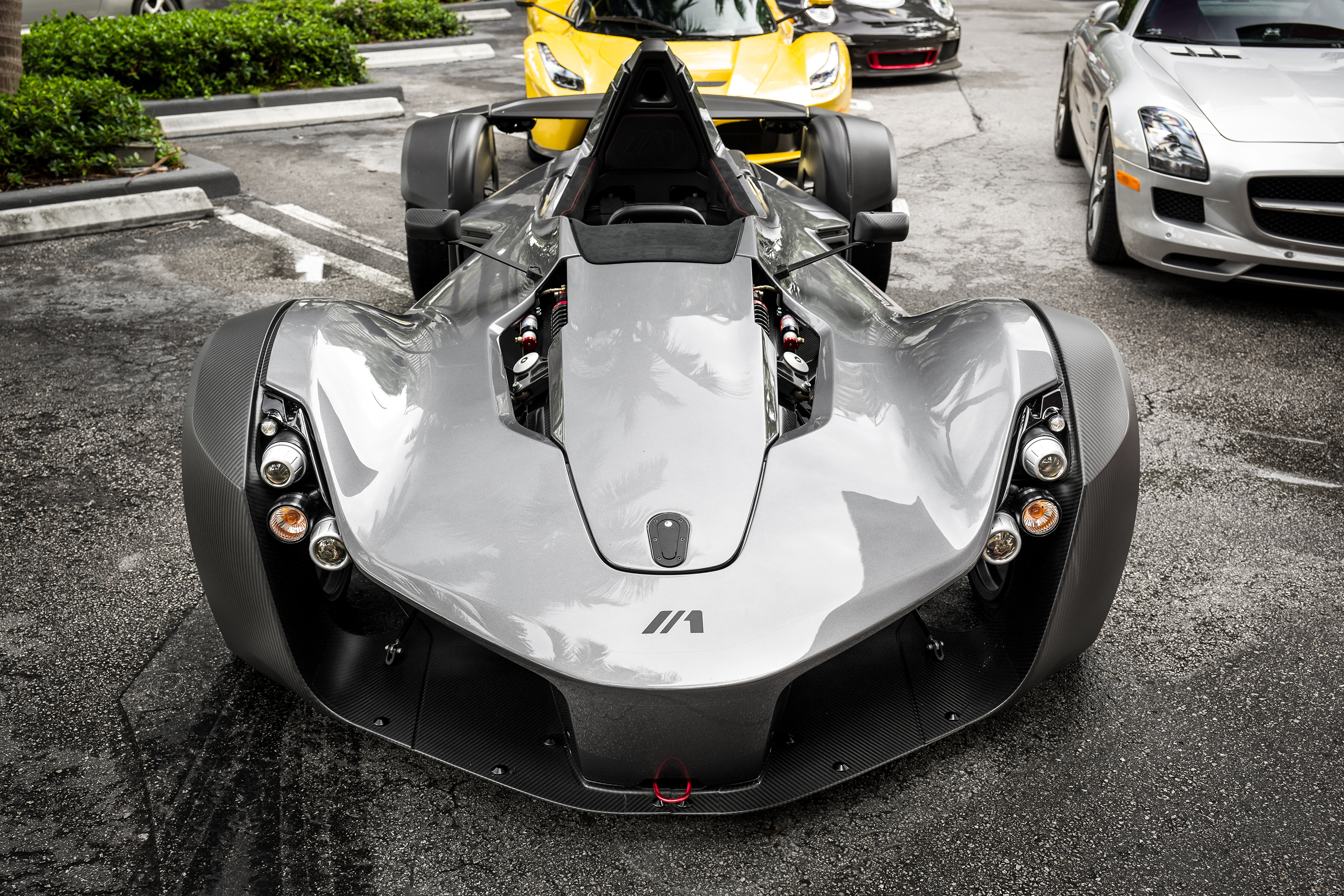
Leica SL3 and APO-Summicron-R 180mm f/2 shot wide open at f/2.
I’ve been obsessed with cars for far longer than I’ve been a photographer, so when I picked up a camera for the first time, vehicles were naturally one of the first subjects in front of my lens. It didn’t take long for automotive photography to become one of my primary interests, but little did I know how long it would take me to finally feel like I “got it.”
Like many photographers, my instinct was to photograph cars the way I saw them. For years, I relied on 28mm and 35mm lenses, both for formal shoots and while wandering car shows. The images were perfectly acceptable, but there was always something missing. I just didn’t know what.
Everything changed in early 2015, when I had the opportunity to spend a day on set with one of the best automotive photographers in the business, Michael Furman. The day began with a beautiful McLaren P1 as our subject. As I watched him prepare for the first shot, he reached not for a wide-angle lens, but for a 180mm. Even though I was only there to observe, I couldn’t help myself.
“Why such a long lens from so far away?”
As he explained his approach, it all started to click. Shooting from farther away with a long lens allowed him to render the car almost like an engineering sketch, emphasizing its shape and proportions while avoiding the exaggerated perspective that comes from shooting up close with a wider lens.
It wasn’t simply a different way of photographing a car. It was a different way of seeing one.
That lesson stayed with me. From then on, you’d rarely catch me with a lens wider than 90mm at a car show, despite the inherent challenges of using longer lenses in crowded environments. During dedicated shoots, I’d often position myself a hundred feet away or more, using long glass to isolate the lines, curves and details that drew me to the subject in the first place.
Over the last decade, I’ve continued experimenting with long lenses in automotive photography, using everything from classic Leica M and R lenses to the latest SL optics. The image above was taken with the remarkable Leica APO-Summicron-R 180mm f/2, wide open at f/2, on the Leica SL3. Contrast that with my earlier image, taken at a car show with the Leica SL (Typ 601) and a 35mm lens, and it’s easy to see the impact a simple change in focal length can have.
One of the most valuable lessons photography has taught me is that seeing and looking are not the same thing. I spent years photographing cars exactly as they appeared to my eyes, assuming that was the most natural approach. It took a mentor, a conversation and a willingness to try something different to show me another perspective.
The subject never changed. What changed was how I chose to see it.
Shoot film. Become a better photographer.
by Jose Rovira | jose@leicastoremiami.com
Jose Rovira is perhaps best-known as the Producer of Red Dot Forum Camera Talk, our in-house livestream about all things Leica. Jose joined our team as a Leica Specialist in 2019. Always with a Leica in hand, he loves documenting daily life, spending time with his family, friends and cats, going to the beach, watching historical documentaries, anything having to do with sports, and of course, checking the latest Bitcoin news.
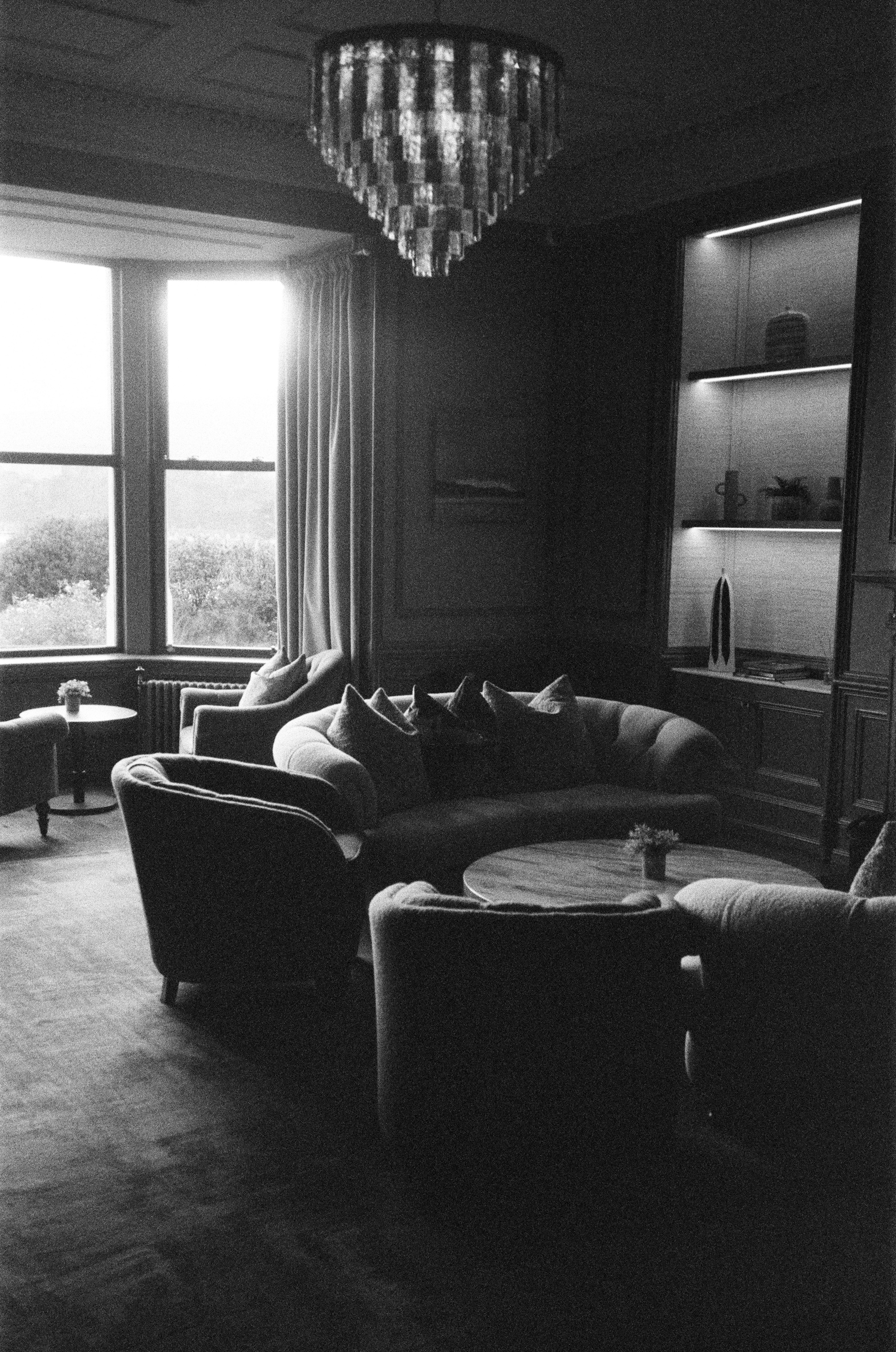
My photography journey started more than a decade ago with an APS-C camera and a kit lens. At first, I didn’t pay much attention to what all the numbers on the dials meant. I just left the camera on AUTO. Little by little, I became familiar with the settings and what they did. I learned about different lenses, sensors, camera models, brands and more. But I always regretted never learning how to shoot film.
As my photography progressed, I started to realize that while digital cameras made it easier to learn, they also made it easier to get away with mistakes. Instant feedback lets you check your exposure immediately. RAW files give you incredible latitude after the fact. And programs like Lightroom have spoiled us with just how much we can change once the picture is already on the computer.
We’ve all said it: “I’ll fix it in post.”
Sometimes we can. Add some contrast, adjust the exposure, boost the saturation or convert an image to black and white and suddenly it looks a whole lot better. But none of that changes the light that was there when you pressed the shutter, and most of the time, post-processing won’t turn a bad photograph into a good one.
Over the past couple of years, I’ve made a real effort to shoot more film for my personal projects, and it has forced me to become more deliberate. Without the safety net I had grown accustomed to with digital, I had to pay closer attention to light and shadow, understand contrast, think carefully about exposure and decide whether a photograph was worth making before pressing the shutter.
At first, though, I approached film exactly the same way I approached digital. I would shoot almost anything without paying enough attention to the light, assuming I could deal with the exposure later.
Then I got my scans back.
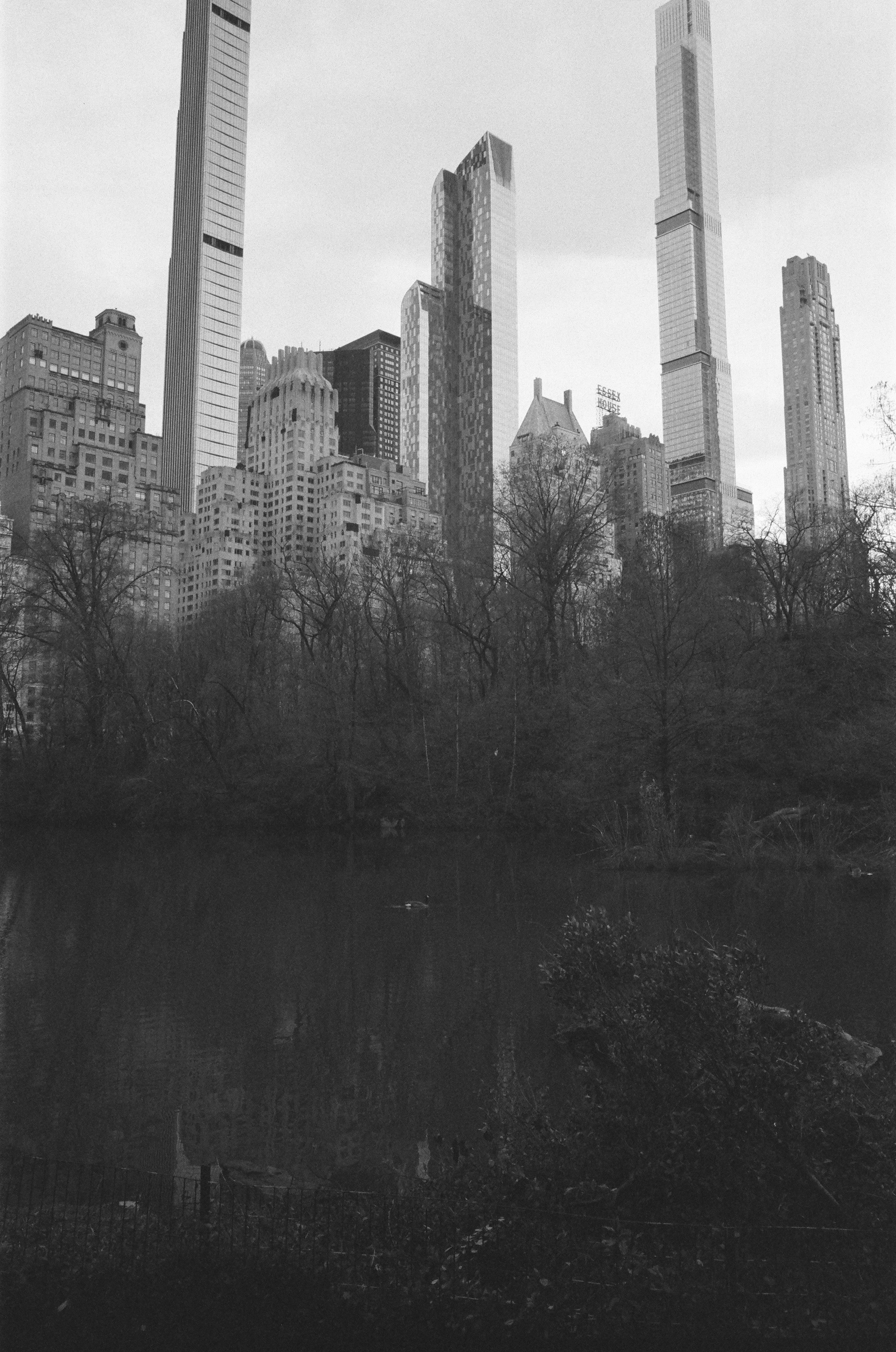
A quick trip to New York drove the lesson home. It was an overcast day, and I was walking around Central Park shooting black-and-white film. I took several photos by the pond that I thought might work. When I finally saw the scans, they were horrible. The light was flat, I was shooting toward a dark area, and there was no clear subject to stand out from the scene. There was nothing to rescue. It was obvious in hindsight.
Lesson learned. Roll wasted.
The more film I shoot, the more I find myself paying attention before I press the shutter. And those habits don’t disappear when I pick up a digital camera. Film hasn’t given me a different set of fundamentals. It has forced me to slow down and pay attention to the fundamentals I already knew.
And that has made me a better photographer.
Always have your camera with you.
by Adam Barkan | adam@leicastoremiami.com
Originally from New York, Adam Barkan has called the Magic City home for over 20 years and loves documenting its rich heritage and cultural diversity. His passion for photography began in childhood, spending countless hours exploring his dad’s camera store, fascinated by the variety of cameras, lenses, and accessories. Adam brought that passion to Leica Store Miami, where he’s been part of the team since 2021. When he’s not at the store, you’ll find him at the gym, traveling with his wife, or providing multimedia services for local non-profits.
One of the most important lessons I’ve learned over the years as a photographer: always have your camera with you.
A great photograph rarely reveals itself when it’s convenient. The most beautiful light, the most genuine expression, or the most unexpected moment often appears without warning and disappears just as quickly. The camera you left at home or in your hotel room will never capture the golden light breaking through a storm, a spontaneous interaction between strangers, or a fleeting smile from someone you love.
Great photographs aren’t necessarily made in extraordinary places. They’re often found when ordinary moments become extraordinary. By carrying a camera regularly, you train yourself to notice light, anticipate moments, and be ready when everything comes together for a fraction of a second.
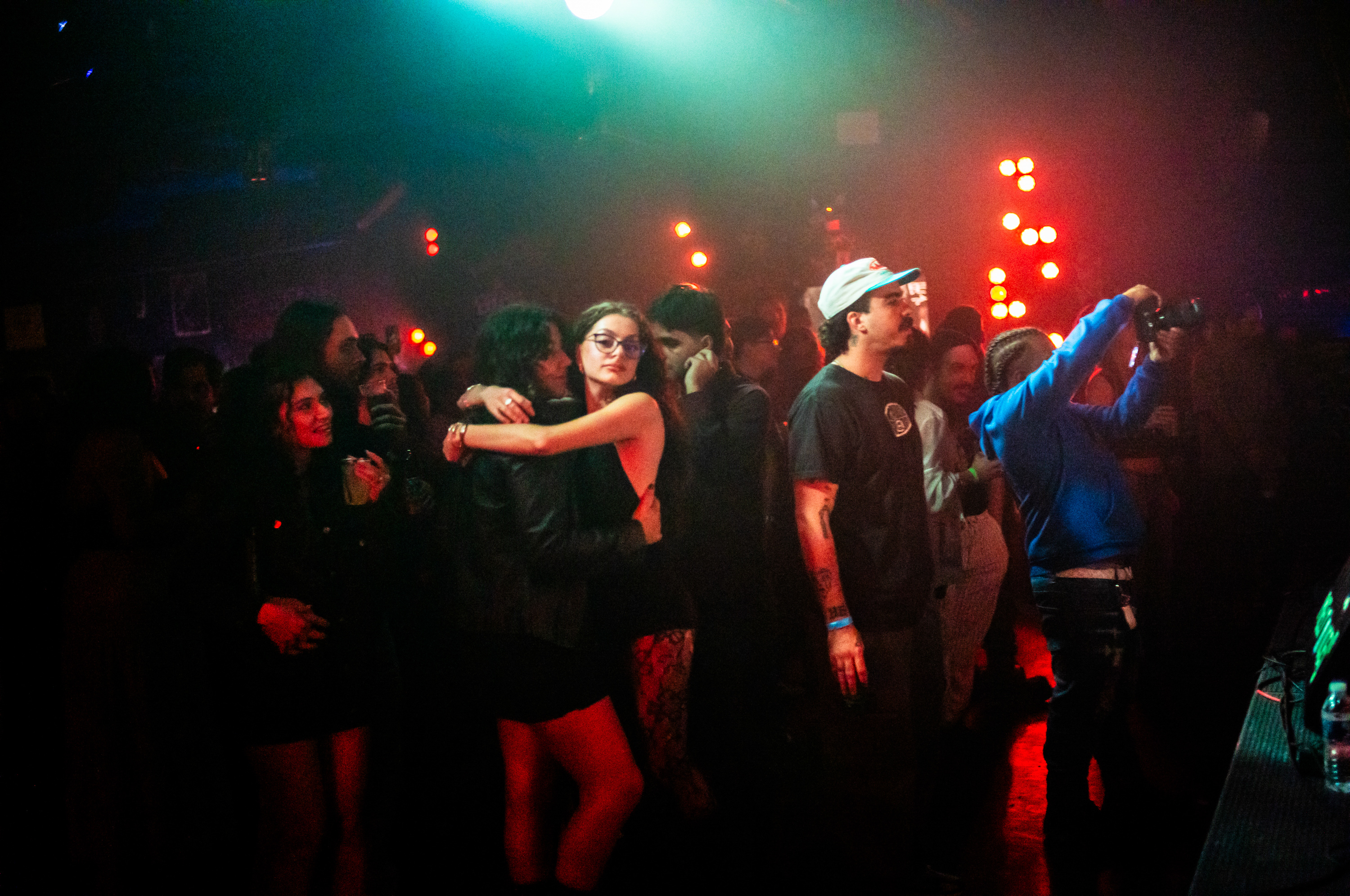
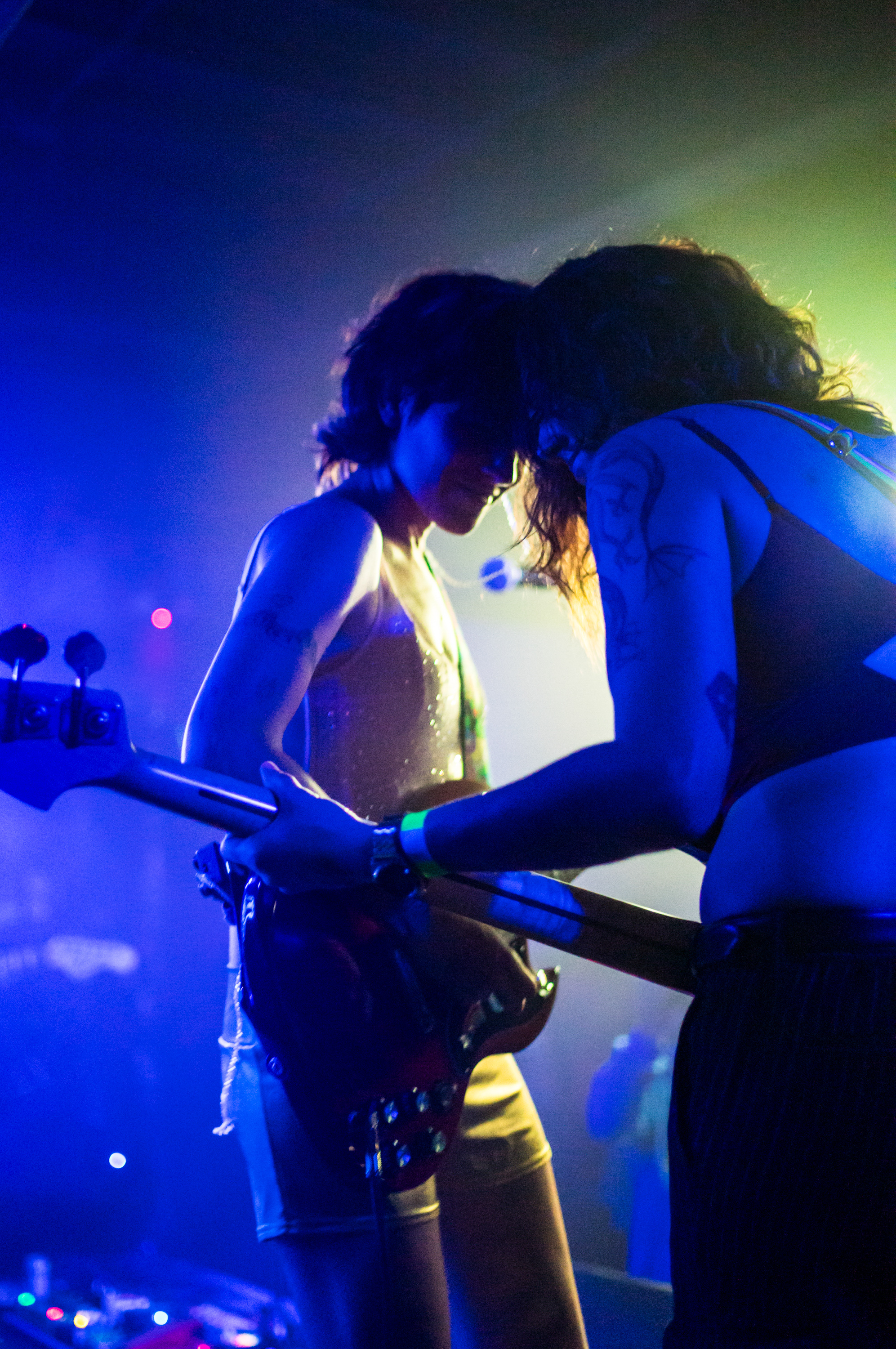
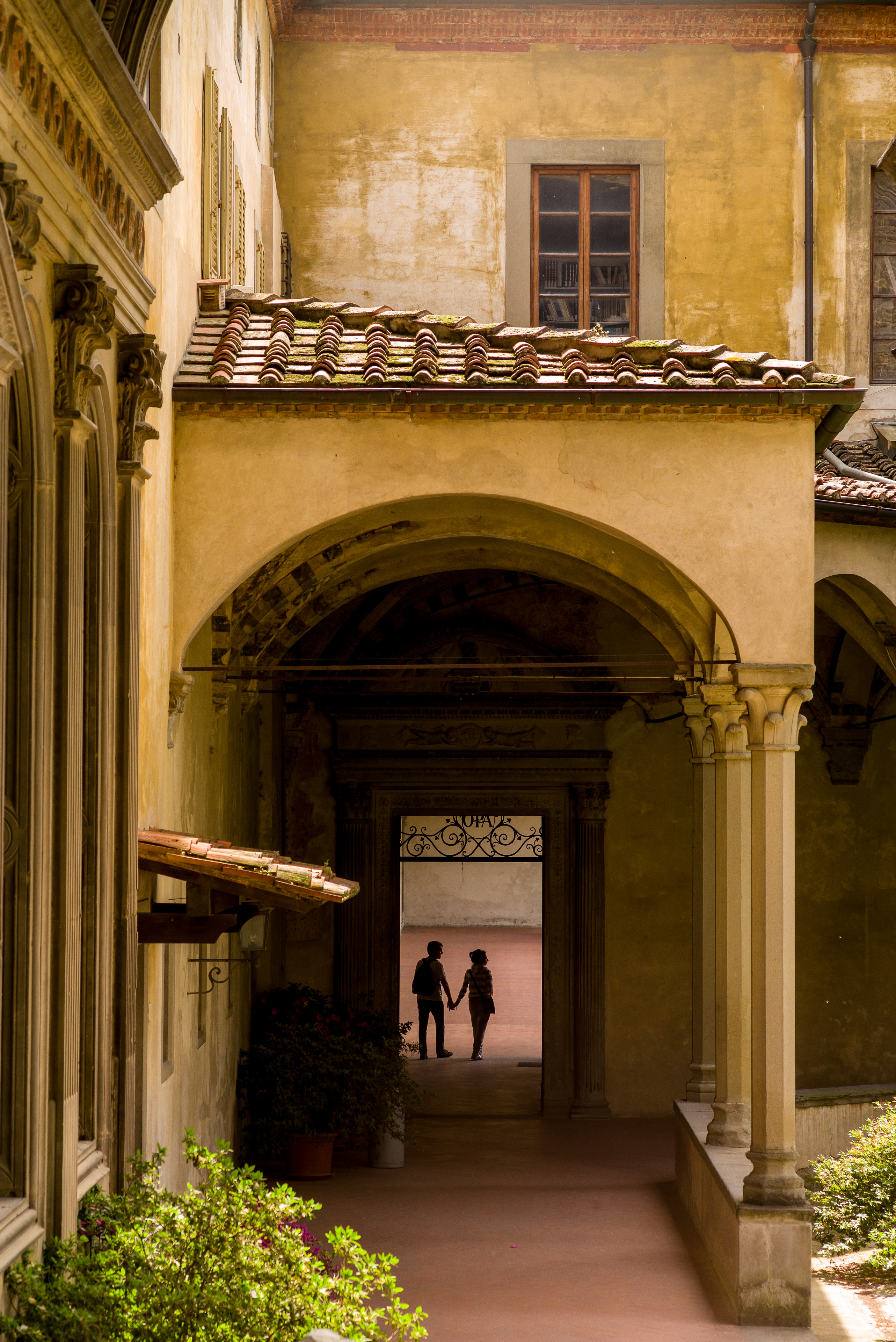
Sometimes I hesitate to bring my camera to a show because I just want to experience the music. But I’m glad I brought it that night. I ended up capturing two moments I might not have noticed otherwise: the connection between the two guitarists, and a couple in the crowd completely caught up in each other and the music. Those are the kinds of moments that remind me why I should always bring my camera.
Photography teaches us a broader life lesson as well: opportunities often arrive unannounced. Being prepared and paying attention allows us to recognize and embrace them when they do.
Always have your camera on you, because you never know when the perfect light or the perfect moment will appear, and once it’s gone, it can never be recreated.
Practice makes less bad.
by David Farkas | david@leicastoremiami.com
David Farkas is a self-admitted Leica junkie and an avid photographer since he was seven years old. David has decades of experience shooting with just about every Leica camera and lens made within the last few decades and is a respected journalist in the Leica world, publishing Leica news, in-depth camera and lens reviews, field tests and technical articles on Red Dot Forum. He can be seen co-hosting the popular Red Dot Forum Camera Talk on YouTube with his long-time colleague and co-host Josh Lehrer. David is also one of the primary guides for Leica Store Miami Photo Workshops, leading trips all over the world and racking up way too many miles. In his free time, he enjoys traveling, rock climbing, hiking and downhill skiing with his family.
Photography is a pursuit of perfection that you can never quite achieve. Countless variables, both within your control and outside of it, must converge in time and space to create that one perfect moment. The subject, background, environment, light, color, highlights and shadows all have to come together in a precise sliver of time. And while all that is happening, you need to find the best composition and framing, choose the appropriate focal length, nail focus and exposure, select the right shutter speed to control motion, and pick the ideal aperture for depth of field. It seems like an impossible task.
And that’s where practice comes in. At first, so much of photography is consciousand deliberate. You remind yourself to use the rule of thirds, look for S-curves and leading lines, find framing elements, watch the edges, check the background. You think about each step because you’re actively trying to apply something you’ve learned. But do it enough and those decisions start to become second nature. You stop looking for light and shadow and simply see it. You don’t consciously think about where to place the subject or how to balance the frame. You just know where the picture is. Practice slowly turns technique into instinct.
Henri Cartier-Bresson famously said, “Your first 10,000 photographs are your worst.” And the guy was hand-winding film through a screw-mount Leica. We all have to start somewhere, and no matter how long we’ve been doing this, we can always strive to get better.
Over the years, cameras have gotten more capable, and my technique and technical proficiency have steadily improved. So sure, some of that impossible equation has gotten easier to solve. But photography is more than technical proficiency. Trusting your gut, connecting with subjects, chasing the light, or simply knowing where to stand still require practice, patience, and a lot of luck.
In my own photography, I’m constantly trying to improve. To see things in a new way. To play with new compositions or techniques. Sometimes I deliberately push myself outside of my comfort zone. But looking back, the biggest jumps in my photography have almost always come from working alongside and learning from other photographers. I can recall so many lightbulb moments over the years that have had lasting and dramatic effects on my work.
At an LHSA (now LSI) meeting years ago, I listened to Deanne Fitzmaurice explain that the secret to gaining access was to “act like you belong there.” That simple advice gave me the confidence to let myself into all sorts of places over the years and come away with pictures I never thought possible.
Constantine Manos taught me to take a more patient approach to street photography. His secret wasn’t to chase subjects, but rather to find the composition first, then wait for the subjects to come to him. Adam Marelli showed me to see subjects, backgrounds and light the way Renaissance painters did, and how moving just a few inches could transform an average composition into an extraordinary one.
William Snyder explained that photo stories, just like books, need a beginning, middle and end, and that the most powerful images convey emotion, not just action. Craig Semetko and Matt Stuart inspired me to look for humor in the everyday. And Michael Turek pushed me to capture environments that leave you with a lasting sense of place.
These lessons have accumulated over decades. Some changed the way I compose. Others changed the way I approach people, tell stories or simply observe the world around me. And every one of them made me a little better.
Even though I’ve been taking pictures for more than 40 years, I still have a lot to learn. My motto is that practice doesn’t make perfect. It makes less bad.
I haven’t taken a perfect picture yet. Maybe I never will.
But man, do I love the pursuit.
Leave a Reply